Is China Manufacturing Still Driving Global Industrial Growth
The Current Landscape of China’s Manufacturing Sector
China’s manufacturing remains at the heart of the global industrial development. Despite confrontations of trade frictions and production costs going up, China’s manufacturing keeps developing by technological innovation and industrial upgrading. For industry insiders, currently China’s manufacturing is not just about scale, but also about sophistication. It is transforming from “more” to “better” and from assembly to innovation.
Structural Evolution of China’s Industrial Base
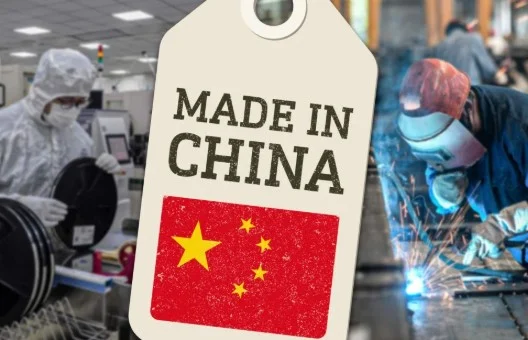
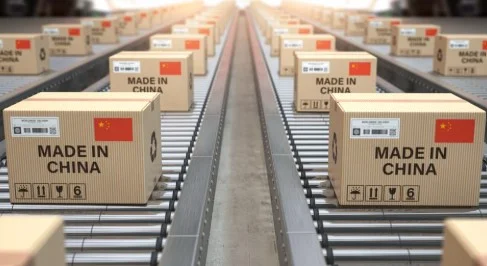
China has transitioned from a low-cost, labor-intensive production model to high-value manufacturing over the last two decades. The rapid adoption of automation and robotics in factories across Guangdong and Jiangsu provinces is testament to this transformation. Digital technologies, including machine vision and predictive analytics, are now an integral part of daily production in many Chinese companies. Policies set by the Chinese government are supportive of such an industrial transformation and direct towards industrial upgrading and technological self-reliance. The “Made in China” program is designed to support manufacturers in moving up the value chain by using advanced materials, intelligent and digital production equipment and green technologies.
Key Industries Sustaining Manufacturing Momentum
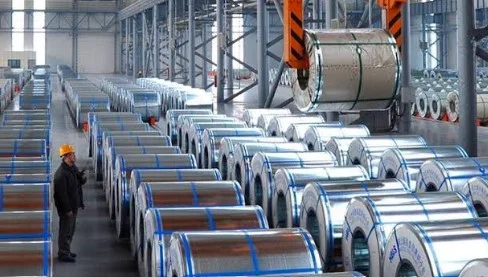
In recent years, advanced industries including semiconductors, electric vehicles and renewable energy equipment have emerged as the new engines of growth for Chinese industry. CATL, a Chinese firm, dominates global supply of EV batteries. Chinese manufacturers of solar modules retain the highest efficiency. Heavy industries including steel, cement and machinery are currently undergoing ‘digital retrofitting’. Export-oriented clusters of coastal provinces are adapting to a new global supply network by developing new markets, moving beyond North America and targeting countries in ASEAN and the Middle East.
The Role of China in Global Industrial Growth?
The manufacturing system in China plays a big role in the global production structures. Through its network with multinational companies China is an important production location for intermediate goods as well as for final products.
China’s Contribution to Global Supply Chains
The focus of global value chains for electronics, automotive parts as well as consumer goods is on China. China is producing core parts such as smartphone chips or the electric drivetrain for cars. In recent years, many companies are establishing regional supply networks in Asia and shifting to more local production. While individual parts are coming from countries like Vietnam or Malaysia, they are assembled in Chinese factories for subsequent export to third countries. Because of the huge scale of Chinese production, any production disruptions on the Chinese mainland immediately affect the global market prices for raw materials and for logistics services.
Impact on Emerging Market Industrialization
Chinese investment abroad is promoting industrialization in many countries of the world. Chinese manufacturing zones abroad – recently opened in Ethiopia or in Indonesia – bring local economies a set of infrastructure, training and technology transfer. Large Belt and Road projects link up a set of transport corridors and industrial parks which boost local trade flows and promote regional trade. However, the development of Chinese activities abroad also creates new competitive pressures on the manufacturing bases of emerging countries which risk being marginal if they do not upgrade.
Domestic Drivers Behind China’s Manufacturing Resilience?
While external events such as tariffs or the COVID-19 health crisis pose challenges to China’s industry, internal strengths continue to fuel its dominance in manufacturing.
Policy Support and Strategic Industrial Planning
The ‘Made in China 2025’ strategy still serves as a blueprint for innovation-driven development. At the core of the strategy are 10 sectors identified as key to increasing the domestic share of the value added in manufacturing. These include for example robotics, aerospace equipment and new-energy vehicles. With the aid of a large number of fiscal incentives, such as tax concessions, grants for research and subsidies, even private companies are incentivized to move up the technology value chain and no longer to rely on a low-wage labor advantage over other locations. Financing on the part of state-backed development banks ensures stable capital input into industries of strategic importance, also in times of market slump.
Technological Innovation and Digital Transformation
Smart factories are now being developed and put into operation in major industrial zones of the country. In addition to AI-powered quality control that can instantly detect any defects, data analytics platforms can also forecast and prepare for potential maintenance requirements before actual failure occurs. Recently, domestic software ecosystems have been rapidly expanding. In place of using imported software, firms are now developing their own industrial operating systems that can better cater to the needs of local industries. And while well-established manufacturers are collaborating with tech giants like Huawei Cloud and Alibaba Industrial Internet, the integration of cloud computing with production lines has also given a huge boost to productivity.
External Pressures Shaping China’s Manufacturing Outlook?
Domestic reforms contribute to increased resilience in Chinese companies. However, external factors change the position of Chinese manufacturers on the world market.
Global Trade Dynamics and Supply Chain Diversification
Trade tensions are changing the export competitiveness of a number of industries, and some companies are now producing selected product lines in markets close to their end customers, such as Mexico or Eastern Europe, while continuing to produce other lines in China. As a number of countries are facing geopolitical risks, Foreign Direct Investment to Southeast Asia and India is increasing with a view to creating a ‘duplicate’ production base, but meanwhile many companies are continuing to rely on Chinese suppliers for core components to take advantage of China’s unmatched efficiency and depth of supporting infrastructure.
Environmental Regulations and Sustainability Imperatives
As China’s commitment to reach carbon dikes by 2060 is starting to change the way industries are operated on the mainland, many manufacturers are investing in hydrogen energy systems, recycling facilities and in “green” production lines that reduce their environmental impact by decreasing the emissions intensity per produced unit. The industry will have to balance business growth with the demands of the new policy of ecological constraint and the competition, which will be fueled by an innovative spirit to reach the country’s sustainability goals.
The Future Trajectory of China’s Manufacturing Influence?
Future growth will be characterized by deeper integration between the trade-focused regional groupings and technology-based, global manufacturing strategies that are changing the Asia-wide industrial map.
Regional Integration and Market Expansion Strategies
Connecting Asia-Pacific markets and creating new market opportunities by participating in the Regional Comprehensive Economic Partnership (RCEP) of countries. Under RCEP agreement intermediate goods for export of electronics and machinery, subject to tariffs in the countries involved, will be treated with lower tariffs while cross-border investment and new market exploration by companies will be encouraged. At the same time, China will establish strategic cooperation with major resource-rich countries to secure supply of raw materials needed for production of emerging industries such as aerospace composites and biotech products. China will also develop new markets in fields of rapid growth such as quantum computing, advanced materials and etc., therefore, it will lead in China manufacturing industry.
Potential Shifts in Global Industrial Leadership Patterns
There are growing prospects for new global geopolitical configurations that may redistribute parts of the global production network from current single hubs to multi-polar settings that span across parts of East Asia, South Asia, and sub-Saharan Africa. China will continue to play a dual role of scale producer and technology innovator, and accordingly shape the ways in which countries coordinate their industrial strategies in an environment of increasing competition in setting new technology standards, in establishing environmental compliance frameworks, and in governing digital infrastructure.
FAQ
Q1: What factors support continued strong growth of China manufacturing? A: Government support, domestic demand for technology, skilled workforce and strong infrastructure.
Q2: How does “Made in China” influence industrial transformation? A: Capital is being steered into high-tech sectors such as robots and electric cars, and also efforts are being made to become self-sufficient in the key technologies currently being imported.
Q3: Which industries lead the next phase of china manufacturing growth? A: Semiconductors, renewable energy equipment like solar panels and wind turbines, electric vehicles, aerospace components, biotech materials—all represent strategic frontiers driving modernization.
Q4: How are sustainability goals affecting factory operations? A: Sustainability goals for carbon neutrality are driving companies to switch to cleaner forms of energy and to set up recycling inside their facilities as well as to increase energy efficiency on a per product basis.
Q5: What is the future role for regional integration for competitiveness purposes? RCEP and similar agreements will facilitate access to new markets and, importantly, technology exchange with key Asian countries helping build greater resilience within closely interconnected supply chains.