Are Chinese Suppliers Adapting Fast Enough to Extended Payment Terms
Shifting Dynamics in Global Trade and Payment Terms
Global trade keeps changing. Longer payment windows have moved from rare cases to everyday practice. Chinese suppliers now handle slower cash returns while they still fight to stay competitive. Buyers set the rules more often than before. This change puts pressure on cash flow and pushes suppliers to look at new ways to handle money, lower risk, and plan output.
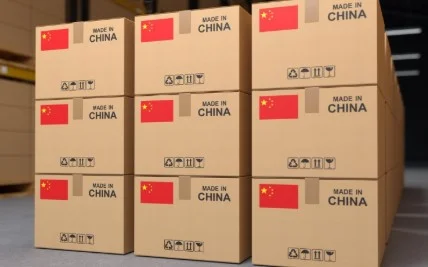
The Evolution of Payment Practices in International Trade
Longer payment times now shape how goods move across borders. Big retail chains and OEMs want more time to pay so they can hold on to their own cash. This habit shows both their stronger position and the wider worry about money in the market. For many Chinese factories the result shows up fast. Money that used to land in thirty days now sits at ninety or one hundred twenty days. That gap slows down new buys of raw goods and pay for workers, especially when loan costs climb.
Economic and Financial Pressures on Suppliers
Money conditions add extra weight. Higher loan rates raise the price of short-term cash. Export plants see more risk when payments drag on from several buyers at once. On top of that, shifts in the yuan value can cut into final profit numbers. Small workshops feel this first. They have fewer cheap credit lines, so even a short delay can stop work or miss wage day.
The Response of Chinese Suppliers to Extended Payment Terms
Chinese suppliers do not just sit and wait. They push back with talks, new money tools, and tighter daily steps. The aim stays the same: keep the business steady and still hold key buyers who ask for long terms.
Negotiation Strategies with Overseas Buyers
Factories now sit down again on contract points. Some set price steps: quick pay gets a small cut, late pay adds a fee. Others buy trade credit cover to guard against a buyer who fails to pay, above all when the market is new. In lines like electronics or cloth, where lots move but margins stay thin, that cover can keep the doors open when one big order goes bad.
Operational Adjustments to Manage Cash Flow
On the floor, many plants trim stock to free cash. Lean steps cut waste from buy-in to ship-out. Factoring has picked up because it turns invoices into cash the same week at a fair fee. Ties with local banks and fintech groups bring short loans that sit on real export papers. These lines give breathing room when payment cycles stretch and costs rise.
Competitive Landscape and Market Pressures
Rivalry among Chinese makers has grown sharp. Too much output in steel, chemicals, and home electronics pushes prices down while payment times grow longer.
Intensifying Competition Among Chinese Manufacturers
When many plants chase the same orders, prices drop quicker than costs can follow. Small shops take the hardest hit. They hold less power and less cash reserve to last months with partial pay. Big groups use the moment to buy weak rivals or join hands so risk spreads across goods and regions.
The Role of Global Buyers in Shaping Market Behavior
Large buyers set much of the pace. Their buying plans often stretch payment dates to cut their own spend. Meeting those dates becomes the ticket to stay on the list. Buyers also run data checks on supplier health before they grant long credit. They look at debt levels, on-time ship rates, and past payment records.
Financial Innovation as a Buffer Against Payment Delays
New finance tools give some room when payments slow. Tech in trade money changes how suppliers reach cash without big new debt.
Adoption of Supply Chain Finance Solutions
Reverse factoring lets a supplier get paid soon after the buyer clears the bill. Rates stay lower because the buyer’s credit stands behind the deal. Banks, fintechs, and ship firms now share data on cargo and papers. Blockchain pages add proof of movement and document truth, so arguments over goods or files drop and cash moves faster.
Government Policies Supporting Exporters’ Liquidity Needs
State steps also help. Local offices run funds that keep export lines running when world sales dip. Export credit bodies widen cover for small firms that lack bank lines yet still face late pay from abroad. Tax breaks push money into new machines and digital systems that cut errors and lift output even when cash stays tight.
Strategic Transformation for Long-Term Resilience
Short fixes on cash no longer cover the need. Deeper changes now matter for plants that want to last.
Diversification of Customer Base and Market Reach
Many exporters now eye new regions. Southeast Asia, Africa, and Latin America show faster growth and lighter fights than old North American or European lanes. Some also sell straight to end users on web shops. That path brings money in days instead of months and cuts the middle layer that often holds pay longest.
Digital Transformation in Supply Chain Management
Digital tools help guess demand better so plants do not make too much or tie cash in unsold stock. Auto links join sales plans with buy lists so teams move in step. Data checks also flag buyer risk before long credit is offered, giving a first shield against later trouble.
Strengthening Financial Discipline and Corporate Governance
Clear books draw in outside money from funds that want steady supply-chain partners. Strong audit steps keep trade finance rules in line and catch waste early. Plants that show good control win better loan terms from banks at home and abroad. That edge counts when bids are tight and margins thin.
Outlook for Chinese Suppliers Under Prolonged Payment Conditions?
The next few years will likely see finance and supply work grow closer as both sides look for a mix of give and safety.
Anticipated Trends in Trade Financing Structures
Mixed models that join old bank loans with fintech options will spread. Buyer-backed plans may reach mid-size suppliers, not just the top layer, so cash help reaches more of the chain.
Potential Shifts in Supplier-Buyer Relationships
Ties between suppliers and buyers may move toward shared risk and longer views. Buyers may offer steady orders or early pay choices. Suppliers may put effort into quality checks. Together these steps build strength against swings in currency or sudden trade blocks.
FAQ
Q1: What drives the trend toward longer payment terms?
A: Global buyers want to keep cash on hand during uncertain times, so they ask Chinese exporters for longer credit as part of normal deals.
Q2: How do rising interest rates affect chinese suppliers?
A: Higher rates raise the cost of short-term loans that bridge the gap from late payments, and thin price competition makes the squeeze tighter.
Q3: Why are smaller manufacturers more vulnerable?
A: They often lack wide credit lines or many clients, so one late payer or a tough new term can stop work fast.
Q4: What role does technology play in easing cash flow stress?
A: Tools like reverse factoring and blockchain checks on invoices and shipments cut wait time and lower fights over papers or cargo.
Q5: Are government measures enough to offset these pressures?
A: State help gives some support, but lasting relief needs digital steps, wider markets, and better internal control at export firms.