Are Chinese Steel Manufacturers Facing an Unavoidable Financial Collapse
The Current Financial Landscape of Chinese Steel Manufacturers
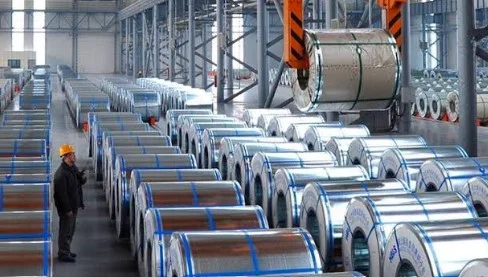
China’s steel sector sits at a key point right now. It used to power the country’s fast industrial growth. These days it deals with tight profits, big debts, and demand that goes up and down. People who follow this area closely know the money side of Chinese steel makers matters beyond just China. It gives clues about how old problems in the setup, new rules from the government, and changes in the market all mix together and decide which companies stay in business.
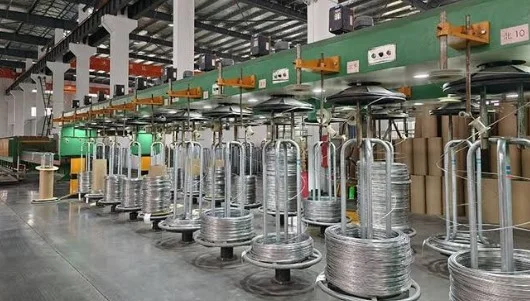
Overview of China’s Steel Industry Structure
China makes more steel than anyone else. It turns out over half the world’s total. Big state firms lead the way. China Baowu Steel Group, Ansteel Group, and Shougang Group sit at the top. Private companies such as Jiangsu Shagang and Hesteel also play a large part. These groups run plants in several main areas. Hebei in the north has been the old center for years. Jiangsu and Liaoning now focus more on better quality steel.
The biggest makers keep taking a larger share of the market. The government pushes mergers to cut down on too many small players. Still, lots of little mills keep running. Many use older machines and earn very little on each ton. This split setup means big plants have a clear edge while small ones struggle to keep up.
Financial Performance Trends in Recent Years
Money results for Chinese steel makers have gotten weaker since 2021. Too much capacity leads to price cuts that leave little room for profit. Debt has climbed fast because firms borrow to keep running or to meet new green rules. Interest payments now take a big bite out of small earnings for many plants.
Home demand has slowed, especially from building work and real estate. Cash on hand looks tighter. Bills owed to mills are rising while ready cash drops. Even some of the largest names show signs of pressure.
Structural Challenges Behind the Industry’s Financial Strain
The money trouble in China’s steel sector goes deeper than just ups and downs in the business cycle. Old problems built into the system keep adding pressure. Too much capacity stays in place even after government moves. New pollution rules and swings in the price of iron ore make things harder still.
Overcapacity and Its Economic Consequences
For a long time local officials backed new furnaces to lift local output numbers and jobs. That left far more steel making power than the country needs. After several rounds of cuts ordered from Beijing, some older furnaces still run part time because local leaders protect them.
Extra output keeps prices low and cuts profits for everyone. Beijing wants capacity to fall, yet provinces often push back. Shutting plants means lost jobs and less tax money for the area.
Environmental Regulations and Compliance Costs
Tighter clean air rules under the “Blue Sky” plan have pushed up spending on new gear. Many mills had to add cleaning units or switch to electric arc furnaces. Both cost a lot up front.
Short stops during heavy pollution checks break normal output. Winter months bring the toughest limits around places like Tangshan in Hebei. Mills lose days of work and the sales that would have come with them.
Raw Material Price Volatility and Supply Chain Pressures
Chinese mills buy most iron ore from Australia and Brazil. When world prices jump because of shipping problems or world events, costs rise right away.
Ports get backed up at times. Mills then hold bigger stocks or pay more to get ore on time. Prices they can charge for finished steel stay under pressure, so the gap between cost and selling price stays narrow.
Policy and Market Dynamics Influencing Financial Stability
What the government decides still shapes how steel firms manage money. Short term help from Beijing can ease pain, yet the longer push toward green output and bigger groups changes plans for years ahead.
The Role of Government Support and Industrial Policy
Central leaders often give easier loans or money for new machines. At the same time local governments sometimes keep weak mills open to protect jobs. That keeps some old problems alive.
Lately the focus has moved to joining big state firms together. The goal is to build stronger groups that can face rivals from other countries.
Domestic Demand Shifts in Construction and Manufacturing Sectors
The slowdown in property building has cut steel use hard. Homes and offices once took nearly half of all steel made inside China. Big road and rail projects give some extra orders, yet they do not replace the lost building work.
New areas such as wind power gear or fast trains offer some new sales. These fields are still small compared with the drop in normal construction.
Global Trade Environment and Export Constraints
Sales to other countries once helped clear extra steel. Now many places add extra taxes on Chinese steel. Labor costs at home have also risen, so mills find it harder to beat foreign rivals on price.
Changes in the value of the yuan add another twist. A stronger yuan cuts the money mills bring home from the same number of tons sold abroad.
Financial Indicators Signaling Potential Collapse Risks
Money warning signs show up on balance sheets and in credit reports for Chinese steel firms. Analysts watch debt levels, cash on hand, and credit scores to spot trouble early.
Debt Ratios, Liquidity Issues, and Credit Ratings Trends
Many firms carry heavy debt compared with their own money. Some ratios pass 200 percent. Banks now look harder at new loans, so rolling over old debt gets tougher.
Local rating firms have lowered scores for several mid size mills. Weak cash flow and older equipment that loses value fast raise the chance that one default could affect others.
Bankruptcy Filings, Mergers, and Consolidation Patterns
Small private mills file for bankruptcy more often. Some go through court plans to cut debt. At the same time big state mergers, such as Baowu taking in Magang Group, aim to spread capacity more evenly. These deals do not fix every old cost problem overnight.
Joining plants can cut waste in the end, yet mixing two large groups takes time and money before the savings show up.
Strategic Responses to Prevent Financial Collapse
Under growing pressure, many steel firms try new steps. They upgrade machines, shift to higher value steel, and rework their loans to stay afloat.
Technological Upgrading and Efficiency Improvements
New control systems watch furnace heat and gas use all day. This cuts waste. Software now links truck schedules with plant output so raw steel moves faster from yard to customer.
Research money goes into strong steel for cars and rust proof grades for sea wind towers. These types bring better prices than plain building steel.
Diversification into Value-added Products and New Markets
Mills now aim at steel for plane parts or electric car frames. These need special approval and pay more. Some look to sell in Southeast Asia and parts of Africa where new roads and ports still need lots of steel.
Showing papers that meet world quality checks helps mills win orders from buyers who once bought only on price. The shift takes time but opens doors that volume alone cannot open.
Financial Restructuring and Capital Management Strategies
Some firms sell side businesses such as truck fleets or unused land. They also swap debt for shares with state funds to lower interest loads. Better stock tracking keeps less money tied up in unsold coils.
Bonds linked to carbon cuts now appear more often. They match the country’s 2060 clean air goal and can bring in money at lower rates than normal loans.
Long-term Outlook for China’s Steel Sector Stability
The road to steadier times will take several years. Success depends on how well the push to cut waste lines up with the wider move toward cleaner growth across the whole economy.
Transition Toward Sustainable Production Models
The next stage puts quality first. Fewer plants will run, yet each one will make special grades that fit low carbon targets. This matches national plans to cut emissions and guides where new machines get placed.
Large joined groups may one day set prices instead of always chasing orders. That would mark a clear change from the past years of too much supply.
Scenarios for Future Market Equilibrium
If capacity cuts keep moving and hidden lines stay closed, supply and demand could line up better inside five years. Weak mills would leave through sales or shutdowns.
If cuts stay half done, old cycles of quick boosts followed by price drops could return. Leaders want to avoid that loop this time by sticking to steady steps rather than sudden orders.
FAQ
Q1: What are the main causes behind financial distress among Chinese steel manufacturers?
A: Too much capacity and slower home buying have cut profits. At the same time rising debt makes every dip in sales feel heavier.
Q2: How do environmental policies affect operational costs?
A: New emission limits force mills to buy costly add on gear or switch to cleaner methods. Fixed costs rise, yet each ton made gives off less smoke.
Q3: Are government interventions helping stabilize the industry?
A: Moves to join big state firms together improve scale for the leaders. Local aid sometimes keeps weak mills running longer than they should.
Q4: Which markets offer new growth potential?
A: Countries in Southeast Asia and Africa still build roads and power plants. Steel demand there holds up better than in places already full of buildings.
Q5: What long-term changes can improve sector stability?
A: Steady cuts in old capacity plus new work on high grade steels will slowly lift the whole sector toward steadier profits and global reach.