Is Shipping From China Facing Longer Delays to the U.S. Market Now
Overview of Current Shipping Conditions Between China and the U.S.
Shipping delays from China to the US keep causing headaches for logistics teams, importers, and supply chain managers. Right now the main problem is that goods are simply taking longer to arrive. Shipping from China is still one of the biggest trade routes in the world, yet it keeps running into trouble. Freight prices move around all the time, ports stay crowded, and new trade rules keep appearing. Each of these things touches the next. When the economy shifts, carriers change their plans. At the same time, crowded ports create extra bottlenecks during busy months. Many forwarders say they check port updates every morning because one new rule can change the whole week.
Recent Trends in Cross-Pacific Shipping
Volumes on routes across the Pacific have swung up and down over the past year. The world economy is still settling into new trade rules, so periods of too many ships are followed by periods of too few. Port congestion remains the biggest headache at major US gateways. Lines of vessels at Los Angeles and Long Beach often last several days. Ships also arrive less on time than they did before the pandemic. Carriers send new arrival estimates almost every week. Ports such as Shanghai and Oakland see these changes most often. Busy seasons still push transit times higher. Back-to-school restocking and holiday demand create sudden spikes. One forwarder in Oakland said some containers sat on the dock for nine days last August before a truck could reach them.
The Impact of Global Trade Dynamics on Transit Times
Trade between China and the US now moves with world events. A sudden tariff or export limit can send cargo onto longer routes. When that happens, the whole trip takes more days. Big carrier groups also decide how much space they sell on each ship. When they join services, some routes lose direct sailings. One carrier may give first choice to high-value electronics during certain tariff windows. Other goods then wait at the starting port for days before they can load. A furniture shipper in Ningbo watched its boxes sit twelve days last spring because electronics took the open spots first.
Factors Contributing to Longer Shipping Delays
Longer shipping times come from several places at once. Ports have physical limits. Rules at customs also slow things down. When you know these causes, you can spot trouble early and keep small delays from turning into big ones. People who have worked in the trade for ten years say the pattern feels different now than in past years.
Port Congestion and Infrastructure Challenges
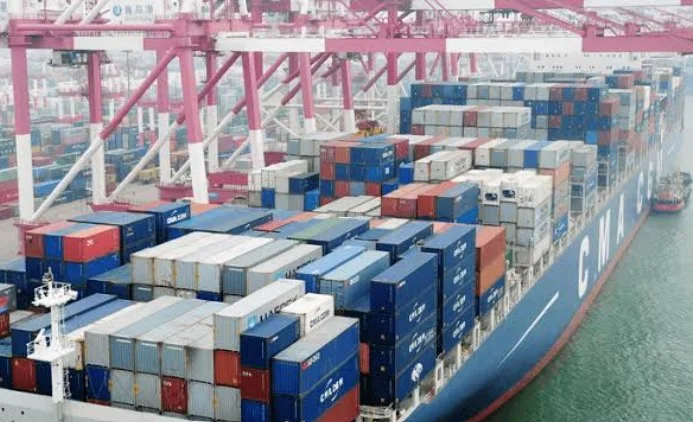
Big ports like Shanghai, Ningbo, Los Angeles, and Long Beach handle more cargo than their yards were built for. Space runs out fast, so containers wait longer before trucks can pick them up. Customs checks now take more time because inspectors look at more boxes. Labor shortages add to the wait. When one crane operator or truck driver is missing, a container can stay at the port twenty-four to forty-eight hours longer during peak weeks. Last summer a storm cut power at one Long Beach terminal for two days. Trucks lined up for miles outside the gate. Drivers slept in their cabs. One importer in California said that single late shift pushed their whole week back by three days.
Vessel Availability and Equipment Imbalances
Empty containers stay hard to find in factory zones such as Shenzhen and Qingdao. When exporters cannot get boxes on time, orders wait even before a booking is set. Carriers sometimes skip a sailing on purpose to keep rates steady. That choice cuts space on routes to the US and leaves shippers looking for later dates. Another issue is that more boxes travel toward North America than come back east on schedule. Exporters then wait while carriers move empty units back into place. A toy maker in Qingdao lost three weeks of production last fall because they could not find enough empty forty-foot boxes in time for the holiday rush.
Regulatory and Environmental Constraints
Rules on carbon output now push ships to move slower or stop at ports that sell cleaner fuel. Both choices add time to the trip. Customs checks have grown stricter since the pandemic to guard against unsafe goods and to follow trade sanctions. New rules on ballast water and low-sulfur fuel also make daily planning harder. A vessel that must refuel at a different port can lose a full day on its normal route. One captain mentioned that finding the right fuel sometimes takes longer than the sailing time between two stops.
Market Forces Affecting Transit Time Reliability
Physical limits at ports explain part of the delay pattern. How carriers and shippers behave in the market explains just as much. Their choices decide how steady arrival times stay from one season to the next. The market side often surprises people who only watch the ports.
Freight Rate Volatility and Carrier Strategies
When freight rates jump, carriers often take spot bookings that pay more instead of sticking to older contracts. This leaves regular importers guessing whether space will be open. Some carriers also move departure dates if they see a chance for better profit. The result is missed connections and containers that get rolled to the next ship at the starting port. A regular importer of kitchen goods said they had to pay almost double the usual rate one week just to keep their store shelves full before a big sale.
The Role of Demand Fluctuations in Delay Patterns
Shopping seasons put heavy pressure on every part of the chain. During Black Friday or the weeks before Lunar New Year, orders rise fast and overload both factories and trucks. Retail restocking waves send sudden booking spikes from plants in Guangdong all the way to warehouses in California. The growth of online sales has also made city delivery slower after the ocean part ends. One freight forwarder in Los Angeles said their drivers now spend an extra afternoon each week just waiting to enter crowded distribution yards. That extra wait adds up when a whole fleet is trying to move at the same time.
Technological and Logistical Adaptations to Mitigate Delays
Even with these problems, shipping firms and factories are trying new tools to make trips more predictable on this busy route. Some of the new ideas work better than others, but companies keep testing them anyway.
Adoption of Digital Freight Platforms and Predictive Analytics
Online freight sites now show where a shipment sits from the moment it is booked until customs clears it at the end port. Computer models look at weather and port data to spot trouble early. If a storm near Okinawa might change a ship’s path, the system can warn users two days ahead. Carriers also use these tools to pick better berthing times at middle ports like Busan or Kaohsiung so containers spend less time sitting. A small exporter in Shenzhen said the alerts helped them change a truck booking before the ship even left China, saving two full days on the land side.
Supply Chain Diversification Strategies Among Shippers
Many companies now buy from more than one country so they do not rely only on China. This move is often called “China plus one.” Some shift part of their orders to factories in Southeast Asia or Mexico. That choice cuts travel time for parts that go to North American plants. Others mix sea freight for large loads with rail or air for items that must arrive fast. When ocean plans change, the second option keeps the line moving. One auto parts maker moved half its orders to Vietnam last year and cut average lead time by almost ten days on the urgent pieces.
Future Outlook for China–U.S. Shipping Timelines
In the years ahead, new rules and new tools will decide how smoothly goods cross the Pacific. No one knows exactly how fast things will get better, but most people expect slow and steady change rather than quick fixes.
Potential Policy Developments Influencing Trade Flow Efficiency
Talks between the two countries may lead to shared port plans that make customs steps match better on both sides. Money spent on rail links to inland yards could slowly ease crowds at the coast. New trade deals might also send more cargo through smaller Chinese ports like Xiamen or Tianjin when lower tariffs make those routes cheaper. Industry watchers think the first real changes from these talks could show up in late 2025 if everything goes according to plan.
Long-Term Industry Adjustments to Supply Chain Volatility
Carriers are ordering new ships that use less fuel so they can keep space steady over longer periods. Ports are testing automatic cranes and self-driving yard trucks that should cut handling time within the next five years. At the same time, importers are changing how they hold stock. Instead of ordering just before they need goods, many now keep a larger buffer so a late ship does not stop their lines. A clothing brand in New York said they now hold four extra weeks of inventory compared with two years ago, and that buffer has saved them from running out during two separate delay waves this year.
FAQ
Q1: Why are shipments from China taking longer than usual?
A: Ports on both sides stay crowded, so each container now sits extra days compared with the years before the pandemic. The extra time adds up fast when stores need stock for a holiday push.
Q2: How do blank sailings affect my cargo schedule?
A: When a carrier cancels a sailing, space drops for that week. Exporters must wait for the next ship and add days to their plan. That wait can push an order right into the next busy season.
Q3: Are environmental rules really slowing ships down?
A: Yes. New limits on emissions make ships travel slower or take longer routes to reach ports with the right fuel. The slower speed can add two or three days on a normal Pacific crossing.
Q4: Can digital tracking actually prevent delays?
A: Tracking cannot stop every delay, but it lets you change truck plans quickly once you see an arrival time move. That quick change can save money on storage fees at the port.
Q5: Will shipping timelines improve next year?
A: Some slow gains should appear as new ships enter service and ports finish upgrades, but busy seasons will still cause swings in how steady arrivals stay. Most people expect the biggest improvements to show up after 2026 when more new ships are ready.