How China Shipping Strengthens Global Supply Chain Confidence
China’s Shipping Industry as a Pillar of Global Supply Chain Stability
China’s shipping industry has grown into one of the world’s biggest maritime powers. It moves trade and keeps global logistics steady. The words “china shipping” stand for more than just one country’s business. They point to a key part of world trade. Trade now meets many problems, from political fights to rules on pollution. China’s ports, tools, and plans help hold supply lines together and keep trust high.
The Strategic Role of China in Global Maritime Trade?
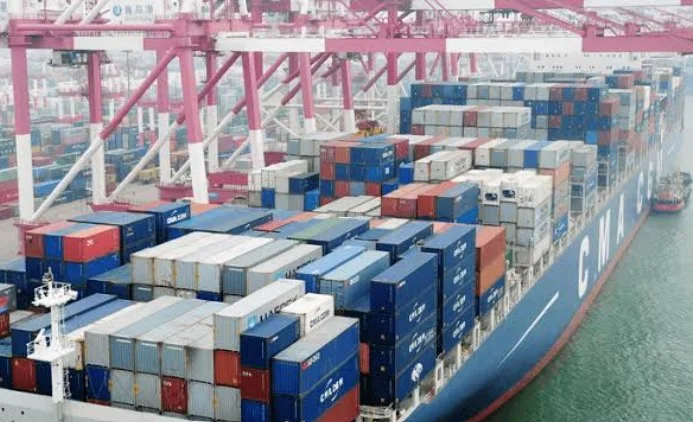
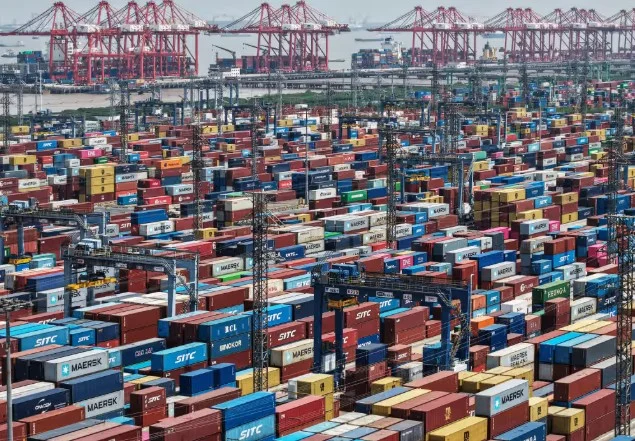
China sits at the center of sea trade. Its ports take a large share of the world’s boxes. They link Asia with Europe, Africa, and the Americas. The big port groups along the Yangtze River Delta and Pearl River Delta work as one. Goods move from ship to truck or train with fewer stops. This cuts delays and makes the whole trip more sure.
The Integration of Port Clusters Enhances International Logistics Coordination
Ports like Shanghai-Ningbo-Zhoushan act as one big system. They share work plans and move cranes and workers where they are needed most. Roads built just for cargo link factories straight to the docks. This setup stops the jams that hit single ports in other places.
Historical Development of China’s Shipping Capabilities
China’s sea trade grew step by step over many years. After 2000 the country put big money into bigger docks. The Belt and Road plan added more sea links. It paid for ports in other countries and opened new ways to move goods between Asia, Europe, and Africa.
Continuous Modernization Ensures Resilience Amid Global Trade Disruptions
New machines and computer systems helped ports stay open during hard times. When sickness hit or ships got stuck, Chinese docks kept working. They used automatic gates and live maps to keep cargo moving. That mix of plans and new tools made the supply lines stronger.
Infrastructure Advancements Driving Shipping Efficiency?
China’s edge comes from its docks and roads. Big ports take the largest ships. Inland lines reach far into the country. Together they make the whole trip faster and cheaper.
Expansion and Modernization of Major Ports
Shanghai still handles the most boxes in the world. Ningbo-Zhoushan keeps adding deep berths for ships over 20,000 TEU. Shenzhen now runs cranes with AI and yard computers. These changes cut the time a ship spends at the dock by a few hours. Carriers like the steady service and lower costs.
Integration of Multimodal Transport Networks
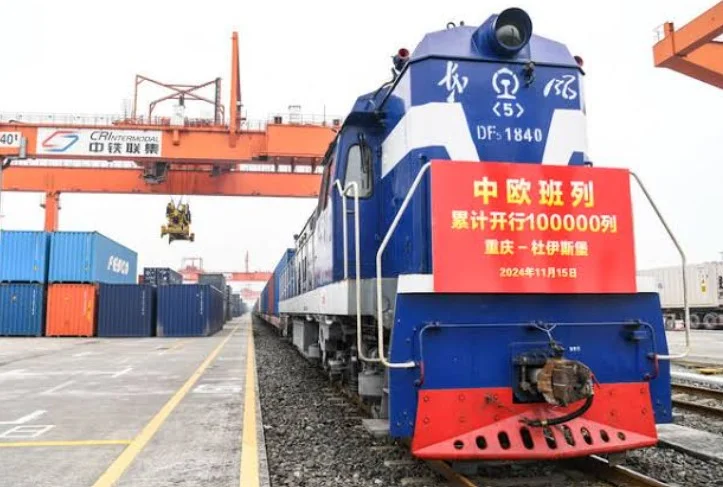
Trains, trucks, and ships work together. The New Western Land-Sea Corridor runs from Chongqing to the coast. Fast freight trains carry goods straight to the docks. Exporters in the middle of the country now reach the sea in less time. The plan also spreads work to inland provinces.
Technological Innovation Strengthening Maritime Competitiveness?
New tools now decide who wins in sea trade. China has put computers into almost every part of its ports.
Digital Transformation in Port Operations
Smart programs watch machines and fix them before they break. Some docks test blockchain to keep trade papers safe from changes. Sensors on ships send live data on speed and fuel use. Captains can pick routes that save time and burn less oil.
Green Shipping Technologies and Sustainability Efforts
Clean ships matter as much as speed. LNG fuel is taking the place of heavy oil on many routes. At the dock, ships plug into shore power instead of running engines. This cuts smoke near cities. Ports also build solar panels and wind turbines to lower their own power bills.
Policy Framework Supporting Maritime Resilience?
Strong rules back every new crane and road. The government sets clear goals and shares the cost with private firms.
National Strategies Enhancing Shipping Capacity
Money goes to modern ships and smart navigation gear. Paperwork at customs has been cut. Trucks now clear the gate faster and goods reach buyers on time.
International Cooperation and Maritime Diplomacy
China joins world sea groups and pushes for the same safety rules everywhere. Deals with countries on busy routes bring shared repair yards and joint patrols. With ASEAN partners, drills practice how to keep lanes open after storms or theft.
The Role of Chinese Shipping Companies in Global Logistics Networks?
Big state firms and smaller private ones both shape china shipping.
Expansion of State-Owned Enterprises (SOEs) in Global Markets
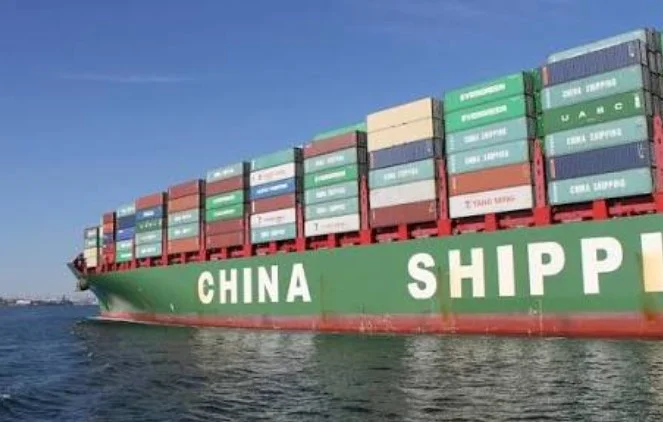
COSCO Shipping grew after mergers. It now ranks among the top carriers by ship count. It bought stakes in Piraeus and Valencia to hold space on the Europe-Asia lane. Working with foreign lines cuts the cost of moving empty boxes back and forth.
Private Sector Contributions to Supply Chain Agility
Private firms add quick software that ties storage, trucks, and customs into one app. Some start-ups sell forecasts that tell shippers when to switch routes because of weather or sudden port rules.
Impact on Global Supply Chain Confidence Amid Uncertainty?
Sea links decide how steady supply chains feel. China’s network has carried much of that load.
Resilience During Global Disruptions
When many ports closed in the pandemic, Chinese terminals stayed open under health checks. They changed sailing times and sent boxes around typhoon zones or blocked straits. Cargo kept flowing while other places waited.
Reinforcing Confidence Among International Trade Partners
Buyers see steady arrivals and trust the line. Live dashboards show where each box sits. Even when freight prices jump, the dates stay close to what was promised. That trust keeps factories running and stores stocked.
Future Outlook for China’s Maritime Influence on Global Trade Dynamics?
The next years will bring new routes and new rules.
Emerging Trends Shaping the Next Phase of Growth
One screen will soon link cargo owners, insurers, and ports. Green sea lanes from Asia to Europe are already on test. If Arctic ice keeps melting, ships may sail north and cut days off the old southern path.
Long-Term Implications for Global Supply Chain Governance
China’s size and tools let it help write the next carbon rules and digital shipping papers. More joint work with neighbors can build trade paths that do not break when one canal or one strike hits.
FAQ
Q1: What makes China’s ports so critical for global trade?
A: They move almost one third of the world’s boxes each year and use machines that keep the work smooth.
Q2: How does technology contribute to china shipping efficiency?
A: Computer plans cut waiting time. Blockchain keeps every trade record safe and open to all sides at once.
Q3: Are Chinese ports environmentally friendly?
A: Many run on LNG and let ships plug into land power so engines stay off at the dock.
Q4: What role do private companies play alongside state-owned giants?
A: They bring fast apps that link every step from warehouse to final truck and help big carriers react quicker.
Q5: How might future climate changes affect China’s maritime routes?
A: Less ice in the north may open a shorter path from East Asia to Europe in summer months.