Is China Forwarder Performance Reflecting The Mixed Freight Indices
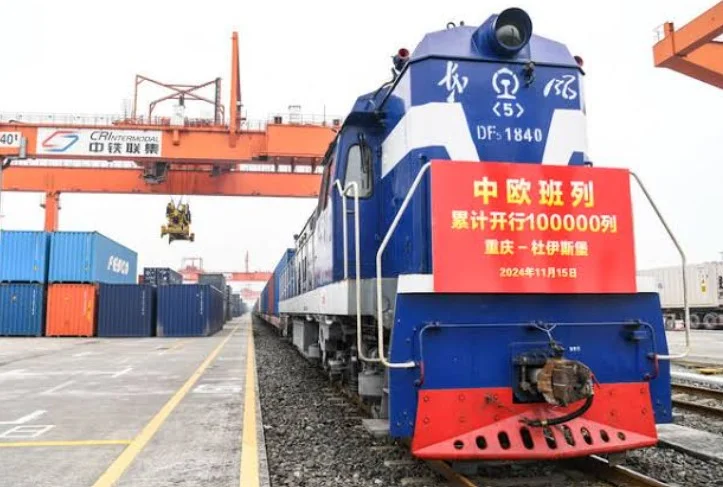
Overview of China’s Freight Market Dynamics
China’s freight sector stays one of the key signs of how world trade is doing. As the top exporter on the planet, any change in how goods move in and out of China affects supply lines everywhere. Lately the freight numbers have gone up in some spots and down in others. This mix shows both staying power and some pressure in the system. For a china forwarder, these ups and downs make clear that quick moves and smart planning decide who stays ahead.
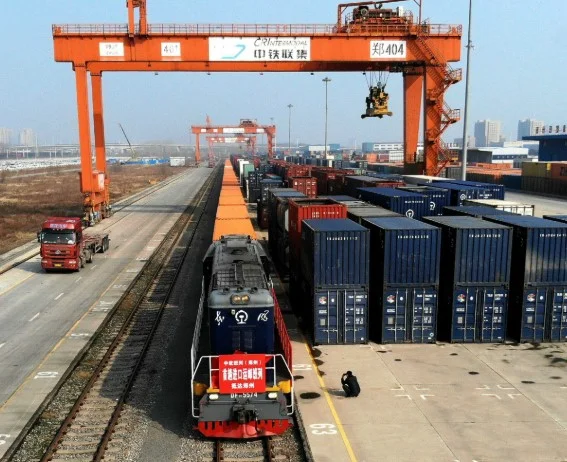
Understanding the Role of Freight Indices in Measuring Market Health
Freight indices work like a heartbeat check for the whole shipping world. They track what it costs to move cargo and how much room is open on ships, planes, and trucks. When the numbers climb, space gets tight or orders pile up. When they drop, trade slows or too many ships sit empty. Each index looks at one type of move. Sea ones follow box rates. Air ones watch what planes earn per kilo. Local road and rail numbers show how trucks and trains are running inside the country.
People who book space for others use these numbers to set prices and talk deals. A run of higher sea numbers might push a china forwarder to ask carriers for better terms or try new paths. A drop in the same numbers can open doors to lock in cheap space and grow what they offer clients.
The Interplay Between Forwarder Operations and Freight Indices
How freight numbers move and how forwarders work day to day sit close together. Big jumps in world orders, like the rush before big shopping holidays, hit space and prices right away. The swings in the numbers show what is happening outside, yet they also point out where a company handles things well or needs work.
A china forwarder that keeps an eye on the numbers can spot rate changes before others do. That early look lets them change prices on the fly and plan better how much room they use. One case from last peak season showed air rates rising fast because of online sales. Smart teams moved some loads to sea plus air routes to keep costs down while still meeting delivery dates.
Mixed Performance of China’s Freight Indices
Right now the China freight picture looks uneven. Some parts show signs of picking up while others stay quiet. The split reminds everyone that trade recovery after the past few rough years has not hit every lane the same way.
Analysis of Recent Freight Index Movements
Sea numbers have moved around a lot in the last few months. Box rates on big east-west paths shift as stocks around the world settle back after the big buying wave. Air rates still react to how many phones and gadgets factories send out and how much cross-border online shopping grows. Inside China the local numbers show clear differences by region. Ports near the coast often move more goods than areas farther inland where factories have not yet caught up.
Take the drop in orders from Europe last quarter. Outbound boxes from main ports fell fast and pulled the overall sea index lower. At the same time some routes inside China to growing middle-size cities stayed busy because local sales held steady.
Factors Contributing to Divergent Trends
A few big reasons explain why the numbers head in different directions. Weaker buying abroad cut export volumes from busy ports such as Shenzhen and Ningbo. At the same time oil price swings raised fuel costs for every type of transport. Ships burn more when prices rise and so do trucks on the road. This squeezes profits even when fewer boxes move.
Changes in the yuan value also matter. A stronger yuan can make Chinese goods cost more for buyers overseas and slow the flow of freight. Short-term rules like extra tax breaks on exports or limits at crowded ports add another layer that shifts the numbers for a few weeks at a time.
Evaluating China Forwarder Performance Amid Mixed Signals
In a market like this, success is not only about money coming in. It also depends on how well forwarders change their routes and plans when the signals shift.
Operational Adaptability to Market Volatility
Strong china forwarders show they can bend when rates move without warning. Many spread their loads across more ports and mix sea, rail, and truck moves so one busy lane does not hurt the whole plan. New tracking tools give live updates on every shipment. Teams can spot a jam early and switch paths the same day.
Price lists that change with the live index help keep earnings steady. Instead of fixed quotes that sit for weeks, teams update offers each morning based on what the numbers say that day.
Capacity Management and Network Optimization
Handling space has turned into both a skill and a numbers game for Chinese forwarders. Close ties with ship lines help lock in spots when space runs short. Simple forecast sheets built from past months of data help guess when busy times will hit.
Keeping loads high enough to make money but not so high that urgent orders get turned away stays a daily balance act. The top teams look at old shipment records every week and tweak how much room they book on each route.
Impact of Global Trade Conditions on Chinese Forwarders
Outside events keep shaping what Chinese forwarders do each morning. Trade routes shift and political talks redraw maps that decide where boxes travel.
Influence of International Shipping Routes and Demand Patterns
Problems on big world routes change how many boxes Chinese exporters can send. When ports in Europe stay crowded, ships take longer to return to Asia. That leaves fewer open spots at Chinese terminals even if local factories run at normal speed.
Trade across the Pacific also moves the needle. When tariffs or buyer mood in the United States changes order sizes, ship lines move vessels to other lanes. Forwarders then have to redraw weekly plans and tell clients new dates.
New trade deals inside Asia push some teams to build routes that stay inside the region. This cuts the need to rely only on sales to far-away markets.
The Role of Supply Chain Resilience Strategies
Many Chinese companies now focus on staying steady rather than running at the lowest cost. They buy parts from more than one country so one closed port does not stop everything. New warehouses farther inland keep goods moving when coastal yards fill up.
Simple risk checks that look at different future scenes help spot weak spots early. A china forwarder that runs these checks each quarter can avoid big delays that cost clients money.
Future Outlook for China’s Freight and Forwarding Sector
Looking ahead, most signs point to slower swings in rates, yet cost control and new green rules from buyers overseas will still test the sector.
Anticipated Trends in Freight Index Stabilization
As world stock levels settle and new ships enter service, rate changes should become smaller over the next twelve months. Online booking sites that show prices to everyone at once may also calm sudden jumps because fewer people guess at future rates.
Rules on carbon output will start to add line items to invoices. Forwarders who track emissions now will have an easier time when buyers ask for proof that a shipment met the new limits.
Strategic Priorities for Chinese Forwarders Moving Ahead
To keep their edge, chinese forwarders will likely spend more on simple digital tools that speed up booking and route choices. Adding services such as help with customs papers or short-term storage gives them something extra to sell beyond just moving boxes.
Working with government teams on new trade rules will matter too. Teams that match their plans with national goals for better logistics stay useful to both local factories and overseas buyers.
FAQ
Q1: What causes fluctuations in China’s freight indices?
A: Changes in how many goods leave the country, fuel prices, the yuan value, and how busy ports are all shift the balance between space and demand on sea and air routes.
Q2: How do china forwarders respond when shipping rates rise sharply?
A: They spread loads across more routes, work out flexible deals with carriers, and use live price tools that update each day to protect earnings when rates climb.
Q3: Why are domestic logistics indices different from international ones?
A: Local numbers track factory output and sales inside China while global numbers follow trade that crosses borders.
Q4: What role does technology play in modern forwarding operations?
A: Tools that show where every box sits right now and simple forecast sheets help teams decide how much space to book and how to answer client questions faster.
Q5: Will sustainability significantly change cost structures for chinese logistics firms?
A: Yes, tracking lower carbon moves adds some cost at first, yet it also brings new clients who want green proof and can open doors to government support programs.