Are eCheck Payment Systems Redefining B2B Transactions in Global Trade
The Emergence of eCheck Payments in B2B Transactions
World trade keeps going more digital. Companies now think hard about how they send money from one country to another. Old paper checks and wire transfers used to handle most business payments. They lose ground fast because people want quick moves, clear records, and lower costs. eCheck payment systems bring a real change to full digital B2B deals. They keep the steady feel of old checks but add fast electronic steps.
The Shift from Traditional Payment Methods to Digital Alternatives
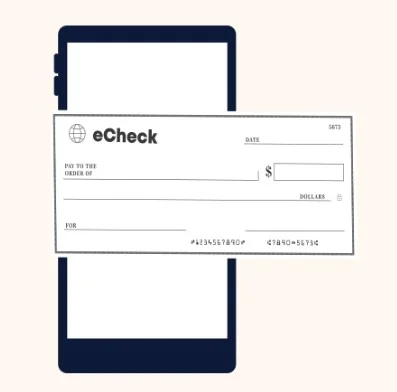
Lots of big firms drop paper steps. These old ways move slow and add extra work. A check can sit for days before it clears. Wires to other countries cost a lot. That does not fit how trade works now. eCheck payments copy what a paper check does but run it all by computer. Money goes straight from one bank account to another. There is less hand work. This change fits the bigger move to digital money tools. Firms line up their daily work with faster systems that cut mistakes and hold-ups.
Key Drivers Behind the Adoption of eCheck Payment Systems
eCheck payments draw interest because they save money and keep things simple. Fees stay lower than credit cards or wires sent overseas. On big B2B deals this adds up to real savings each year. Safety matters too. New eCheck tools use strong locks and checks to guard bank details from theft. Money lands faster as well. Deals often finish in one day through ACH links instead of several days. Teams can plan cash better and avoid extra cash sitting around.
How eCheck Payments Operate in Global Trade Frameworks
eCheck payments mix old bank systems with new tech ideas. It feels like old trust meets new speed needs in world trade.
Technical Infrastructure Supporting eCheck Transactions
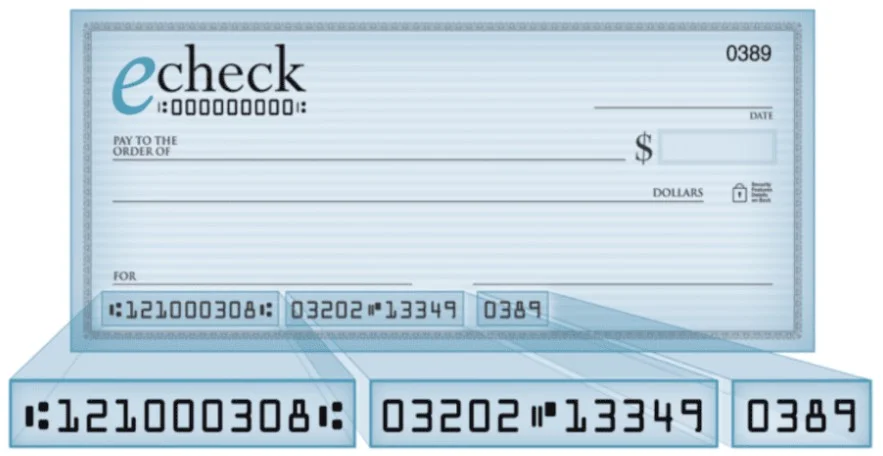
eChecks run on ACH networks. These networks move money between banks in set ways. They keep things safe even when volume grows. Many firms plug eCheck tools right into their main business software. Payments then match up with bills and books on their own. APIs link company bank pages with tech platforms. This helps deals that cross borders. Firms cut down on matching errors and make rule reports easier when they grow abroad.
Compliance and Regulatory Considerations in International Use
Rules stay key when payments cross lines. Inside the U.S. ACH deals follow NACHA steps on how to start, okay, and close each move. Cross border adds more rules like AML checks and KYC checks. These keep money moves open to view. GDPR type laws also shape how data gets kept and sent between places. Firms that use eChecks in many lands must stick to all these rules or face fines and bad name hits.
Advantages of eCheck Payments for B2B Operations
Firms that deal with many suppliers need smooth work to stay alive. eChecks bring gains that go past simple ease.
Cost Efficiency and Transaction Optimization
eChecks cost less per deal than cards or wires. They skip card fees and middle bank cuts. You can pay many suppliers at once with batch tools. This cuts desk work a lot. Fees stay steady so planning gets easier. Firms on slim margins like that steadiness.
Enhancing Transparency and Traceability in Trade Finance
Each eCheck leaves a full digital path from start to end. Audits become simpler. Live track tools let partners settle fights fast by showing exact send and receive times. When these records link to book software, teams see open bills right away instead of waiting for month end match ups. Supply chains gain clear sight.
Challenges in Implementing eCheck Systems Across Borders
eChecks bring good points but cross border use still hits bumps. Bank setups and rules differ by place and that slows things.
Interoperability Between Financial Institutions and Platforms
Some lands have newer money move systems than others. Standards do not line up. One platform may struggle to reach banks in two different spots. Deals can stall or need extra checks by hand. Banks, tech firms, and clearing groups need to build shared ways to grow while still meeting rules.
Security Risks and Fraud Prevention Mechanisms
Online moves bring new theft risks. Bad actors may try fake emails to grab login details. They may also take over accounts through weak phones or computers. Strong steps like extra login checks help confirm who is asking before money moves. Token tools swap real account numbers for coded ones during send. Watch tools that look at normal patterns can spot odd deals early and stop trouble.
The Strategic Role of eCheck Payments in the Future of Global B2B Trade
eCheck payment tools will grow past simple money moves. They will sit inside smart trade setups that run on auto and data links.
Integration with Emerging Financial Technologies
The next step mixes old finance with new ideas like chain records and smart programs. Chain records give a fixed history that pairs well with eCheck clear steps. This cuts match work between sides. Smart programs already help approve deals or flag odd moves quicker than people can. Soon contract rules may tie right to eCheck tools so that once goods arrive the money moves by itself.
The Evolution Toward a Fully Digital B2B Payment Ecosystem
World trade moves toward mixed digital ways. ACH moves like eChecks sit next to instant pay tools and wallet options for small deals. eChecks act as a link between old bank habits still used by big firms and fresh tech that wants live money moves. As more places pick these up, cash plans across supply lines get better. Clear deal records help judge credit risk. Auto finance tools tied to pay data give quicker access to needed cash.
FAQ
Q1: What distinguishes an eCheck from a regular paper check?
A: An eCheck works like a paper check but runs through ACH networks instead of people taking it to a bank branch.
Q2: How long does an average eCheck payment take to clear?
A: Most home deals finish in one or two work days based on bank times. Deals that cross borders can need a bit more time for rule checks.
Q3: Are eChecks secure enough for large B2B transactions?
A: Yes. Lock steps plus check layers keep them safer than paper items that can get lost or copied.
Q4: Can businesses use eChecks for recurring supplier payments?
A: Yes. Batch plan tools let payments run on set dates without extra clicks each time.
Q5: What industries benefit most from adopting eCheck systems?
A: Fields with lots of bills like making goods, moving cargo, bulk sales, and service work see big gains in speed from eCheck tools.