How Are Global Payment Methods Reshaping Cross-Border Commerce
The Transformation of Global Payment Infrastructure
The global payment scene keeps moving ahead quickly. Digital changes, fresh rules from governments, and the rise of fintech all push this forward. For people who work in payments, the big point is not only new tools. It is how fresh ways to pay change trade, money moves, and what buyers do every day around the world. Real-time moves of money across borders and clear records on blockchains add up to one big connected money system. Many banks now test these ideas in live markets, and early results show faster deals with fewer errors.
Evolution of Cross-Border Payment Systems
Old style bank links used to handle money sent between countries. Those links ran slow and cost a lot. They also hid many steps from view. Now fast payment tools take over. They let money cross borders in seconds. SWIFT gpi and local quick pay plans set fresh marks for speed and clear tracking. In routes that link Europe and Asia, deals that once took days now finish in seconds. Small shops in those areas notice the change first because they get paid the same day.
Rules like ISO 20022 help this change. They set one way to write messages so banks can talk to each other with less trouble. Before, systems often could not share data well. Now the same format brings more open records. That helps checks for bad deals and stops fraud without adding long waits. Teams that once spent hours fixing message errors now spend minutes instead.
Fintech firms and online sites add more links too. Their tools join shops straight to several bank paths. This cuts fees and shows each step of a deal. Stripe and Wise show how this works in real life. Shops that use them report lower costs and happier buyers who see where their money sits at every hour.
Integration of Digital Wallets into Global Commerce
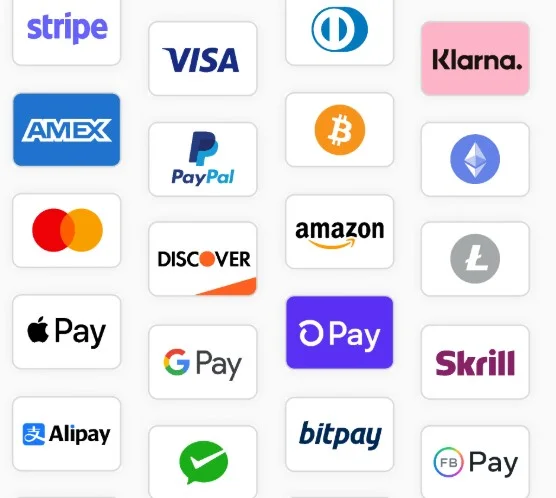
Digital wallets now sit at the center of how people pay both online and in stores. Growth in places like China with Alipay and in Western areas with PayPal has changed what buyers expect. They want easy steps and strong safety. In newer markets, phone wallets often bring banking to people who never had bank accounts before. One market study showed millions opened their first wallet last year alone.
A main gain from wallets is easy money swaps. When a wallet holds more than one kind of money, it handles the rate in the background. Buyers do not see extra steps. This has helped online shops that sell across borders grow fast. One big pain point used to be the long form for foreign money deals. Wallets take that away for most users.
Big stores now team up with wallet firms to reach more buyers. They add Apple Pay or Google Pay at the pay point. Mobile users like these choices because they trust the names. The links also help stores meet local rules on payments without extra work. In some cities, stores that added these options saw sales rise by ten percent in the first month.
The Rise of Blockchain and Digital Currencies in Cross-Border Transactions
Blockchain tools now change how money travels between countries. They bring open records and auto steps that old bank paths often miss. Banks and rule makers both test these ledgers more each year. The goal is better speed plus clear checks at every point. Early pilots in Asia already show deals that finish in under an hour instead of two days.
Blockchain as a Catalyst for Payment Efficiency
Shared ledger tech lets all sides see the same facts on a deal. No middle group needs to check twice. This cuts finish times from days down to minutes. Fees drop too because repeat checks go away. Some banks that tried blockchain for money sends say costs fell by half. That saving adds up fast when volumes grow large.
Smart deals inside the chain also run checks on rules like sanctions lists or buyer checks. Once the set points match, the money moves on its own. Banks and payment firms see fewer arguments and quicker reports. One firm cut its month end close time by three days after adding these tools.
Still, rule makers must watch how these chains fit old laws on bad money flows. Public ledgers raise questions on private data. Teams keep testing ways to keep both sides happy while the tech grows.
The Growing Role of Central Bank Digital Currencies (CBDCs)
Central banks in many lands now run tests on digital forms of their own money. China works on e-CNY. The European Central Bank builds its digital euro plan. These steps aim to update money systems but keep control inside each country instead of private coin groups.
CBDCs can make money sends between people simpler. They cut out high fee middle steps. Test runs show cost drops of more than half for some routes. Regulators still see every move, which helps keep rules in place. In one pilot, workers sent wages home across borders in minutes at low cost.
Yet full use waits on better links between each country system. Privacy rules must also match local needs. Nations with different money goals must find common ground first. These steps take time but matter for wide use later.
Regulatory Harmonization and Compliance in Global Payments
As deals across borders grow more mixed, shared rules help keep trust high. Governments now build plans that mix new ideas with risk checks in many lands at once. This balance keeps both sides of each deal safe.
Shifting Regulatory Landscape for Cross-Border Transactions
Fresh rules push for open records, stops on bad money moves, and data safety steps that match world plans like GDPR or FATF ideas. Still, each area keeps some own ways. What works in Singapore may need extra checks in Europe. Payment firms that work in many places must change their steps often. They sometimes build separate check teams for each land. Shared rules could cut this split by setting one set of checks for all.
When rules line up across lands, trust grows between banks and between buyers too. People like to know the same safety steps work no matter where they buy or send money.
Data Security, Privacy, and Consumer Protection Trends
Safety of data supports every new pay tool. Strong code locks keep numbers safe while they move. Token steps swap card facts for one time codes that cannot be used again if taken. This mix lowers risk in daily use.
Keeping buyer private facts safe while still meeting trace rules stays hard. Rule teams want to see odd flows but must not cross lines on personal rights. New AI style tools now spot fraud by looking at patterns in how people act, not by pulling every detail. Payment teams add these tools as normal steps to stay both safe and quick on their feet.
The Future Direction of Global Payment Ecosystems
The next ten years will bring money tools deeper into daily business work through open links and shared data. Green goals will also guide how pay nets grow to reach more people and cut waste. Many firms already plan small tests that mix these ideas with old ways of working.
Embedded Finance and API-Driven Payment Innovation
Open links now join shops, banks, fintech groups, and buyers into one flow. Payments happen inside apps without extra clicks. Booking a ride or buying a shirt can finish inside the same screen. This hidden style makes deals feel simple.
Non bank firms can now earn from money tools inside their own apps. Logistics groups and social sites add pay choices and keep part of the fee. This blurs old lines between bank work and other business. Open bank plans help by letting data move with buyer ok. As these links grow, cross border buys get easier because one set of connections can reach many local bank paths at once.
Sustainability and Inclusion in Global Payment Development
Green ideas now shape how new pay tools get built. Chains that use less power and paper free bills cut the mark on the air from trade deals. At the same time, reach plans use phone tools to bring in people who lack banks. These tools need little setup yet let users join world trade nets. Phone money plans in parts of Africa show how this reach can lift both daily life and local growth at the same time. Over years, these links help steady trade by pulling in groups that once sat outside money circles. Small tests in villages often lead to bigger use in cities later.
FAQ
Q1: What is driving the rapid evolution of global payment methods?
A: Fresh tech from fintech groups plus rule updates like ISO 20022 push change in cross border pay tools in many lands at once. Shops see the speed first in daily work.
Q2: How do digital wallets impact consumer behavior?
A: They make deals quick with auto money swaps and safe holds. Buyers now lean toward phone first steps in many places.
Q3: Why is blockchain considered crucial for future payments?
A: Shared ledgers cut finish times and lower fees. They also add clear steps through smart deal auto runs.
Q4: What challenges do CBDCs face before mass adoption?
A: Links between each land system and the mix of private rights with rule needs across areas stand as main points to fix.
Q5: How does sustainability intersect with global payment development?
A: Green money ideas push low power deal steps and plans that bring more people into money nets worldwide.