Is The Payment Market Entering A New Era Of Digital Transformation
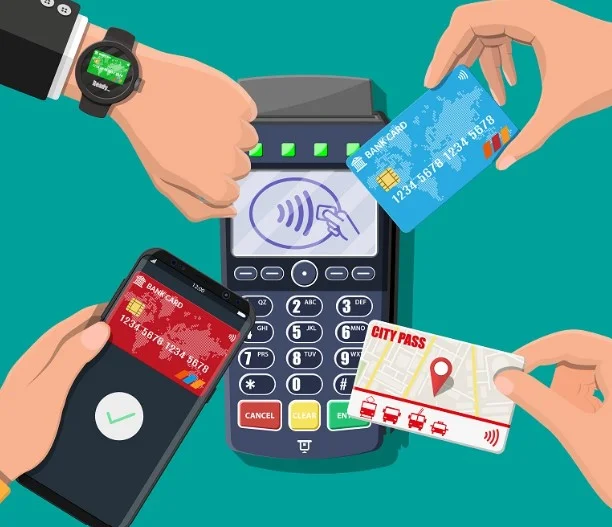
The Acceleration of Digital Transformation in the Payment Market
The global payment market keeps changing fast because of new tech, what buyers want, and fresh rules from governments. Things used to depend on cards you hold in your hand and real cash. Now it moves to apps on phones and systems that run on the internet. These let people send money right away, keep it safe, and share lots of details about each deal. You notice this change in rich countries and also in places where many folks are just starting to use banks online. The speed of all this shows payments sit at the center of how people live with phones and computers every day.
Key Drivers Behind the Digital Shift
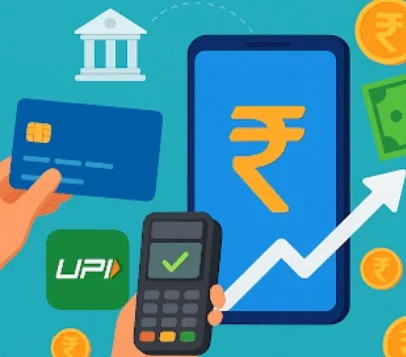
Tech, rules, and what buyers ask for all come together and change how payments work. New ideas like wallets on phones, cards you tap, and finance tools built inside other apps make each deal quicker and smoother. Buyers now look for deals that finish in seconds and feel made just for them, no matter if they shop on a screen or in a store. The time when many places stayed closed pushed everyone to try phone ways to pay because they had to. In lots of spots, tapping a card or phone turned into the normal way instead of something special. Shops that once used old machines for cards started using codes on screens or links to online stores so they could keep selling. One shop owner in a busy city said he added the code system in one afternoon and saw sales stay steady even when foot traffic dropped.
The Role of Fintechs and Big Tech in Payment Innovation
New money firms write fresh rules for payments by using simple plans that put the person using it first instead of old heavy systems. These firms often focus on one small area like sending money between friends or giving credit scores in minutes. That pushes old banks to update what they offer. At the same time big tech groups take their huge sets of user facts and put payment buttons inside social apps, shopping sites, and phone systems. A person can finish a buy without leaving the app they already like. This changes how buyers stay loyal to one brand. Banks now team up with these tech groups to mix steady trust with fresh ideas. For example a bank in Europe joined a big tech firm last year and added a pay button inside a popular chat app, and users tried it more than they expected.
Emerging Technologies Redefining Payment Systems
Change in payments goes deeper than new phone apps. It means fixing the base systems that move money around the world. New tools such as shared record books, smart computer thinking, and internet storage now shape how cash travels from one country to another.
Blockchain and Distributed Ledger Technology (DLT)
Shared record book tech makes every step of a deal easy to see and follow. It also cuts the time to finish a deal from several days down to just seconds. These systems take away middle companies in deals that cross borders, so both banks and buyers pay less in fees. Tokens tied to regular money now work well for settling big trades between countries. Law makers in many places write new rules that let these record books run while still stopping dirty money moves. In one test last spring a group of banks moved funds from Asia to Africa in under a minute using this setup and saved almost half the usual cost.
Artificial Intelligence and Machine Learning in Payment Processing
Smart computer programs now watch for tricks and false deals in a world where everything links together. They look at how people usually act and spot odd moves faster than a team of workers could by hand. Learning programs also pick the best path for each deal by checking past success rates and how busy the lines are. Shops get help too because the programs can show a buyer their favorite way to pay or let them split the bill into parts based on past buys. This lifts the chance a buyer finishes the order without extra steps. A large store chain in North America tried this and saw the number of finished orders rise by eight percent in the first month.
Cloud Infrastructure and API Connectivity
Payment networks now rest on internet storage that grows or shrinks as needed and keeps costs low. Systems built for the cloud let teams send updates to every region at once and still stay up when lots of people pay at once, like during big sales days. Open links let banks, new money firms, and outside coders share facts safely under set rules. This link makes instant money moves work and helps rule watchers see live streams of deals. One provider said their cloud setup handled a holiday rush with twice the normal load and no slowdown at all.
Shifts in Consumer Behavior and Merchant Adaptation
As tools change, so do the habits of buyers, and shops have to move fast or they lose ground.
The Rise of Contactless and Mobile Payments
Buyers now like deals that need almost no touch, done with a phone or a watch instead of cash or a plastic card. In places like London or Singapore, holding a phone near a gate feels normal. In fast growing spots like India or Indonesia, codes on screens work best because they need little gear and even small sellers can use them. Shops answer by buying tools that take payments both in stores and online so the feel stays the same everywhere a buyer goes. A market seller in Jakarta said he started with a simple code printout and now takes more than half his sales that way each week.
Embedded Finance and the Integration of Payments into Everyday Platforms
Money steps now sit inside apps that do other jobs, like calling a ride or buying food online. When you finish an order you often pay through a service that works in the background. Plans that let you buy now and pay later add another layer by giving credit at the last screen without a long bank check. This mixes looking, buying, and paying so a person moves from one step to the next inside the same screen. A travel site added this last option and saw more people pick higher priced trips because the pay later choice felt easy.
Regulatory Evolution Supporting a New Digital Era
Governments see that new ideas need checks to keep deals safe and fair as the online economy grows.
Global Regulatory Trends in Digital Payments
Central banks test their own digital coins to update money systems and still watch how cash moves. New rules now cover how to stay safe from online attacks, how to guard buyer facts under privacy laws, and how to check who sends money to block bad uses. On a world level, rule makers try to line up their plans so money can cross borders without extra paperwork. One country started a small test of its digital coin with local shops and plans to grow it next year if the first numbers look good.
Compliance Challenges for Market Participants
Firms that work in many countries still face hard work to follow each set of local rules. They must roll out new tools fast while also keeping buyer facts inside the borders each law demands. Checks that use face scans or fingerprints now happen more often as online IDs move past simple passwords. A payment firm shared that it spent three months mapping every country rule before it could launch one new feature in all markets at once.
Competitive Landscape and Strategic Outlook for Industry Players
Rivalry grows at every level from card networks to other payment groups, yet working together often brings better results than fighting alone.
Traditional Banks vs Fintech Challengers
Old banks feel strong pressure to fix core systems that slow them down. Many buy small new money firms that already use open links rather than build everything from the ground up. The new firms keep taking small slices of the market such as banking for people who work short jobs or sending money across borders where quick moves matter most. Over time the two sides move toward open models that let many partners join and focus on how the buyer feels. One bank bought a small firm that makes links and cut the time to launch a new app from nine months to three.
Future Growth Opportunities in the Payment Ecosystem
Growth ahead sits in bringing money tools to more people through phone first plans in places like Africa and Southeast Asia where phone lines already reach far. Measures that track how a buy affects the air may soon ride along with each deal to match money with green goals. Another area with room is making systems talk to each other across borders so a deal can finish fast no matter the money type or the company behind it. That would open big gains for trade between countries. A project now running between two regions already shows deals settling in under ten seconds instead of the old two days.
FAQ
Q1: How did COVID-19 influence digital transformation in payments?
A: The time of lockdowns pushed many shops to sell online and led buyers to pick taps or codes instead of cash for health reasons. Shops that added these choices early kept more of their regular sales.
Q2: Why are fintechs crucial in shaping the future payment market?
A: They bring simple answers that fit what users need without the weight of old systems. This pushes bigger players to update through either direct rivalry or joint work.
Q3: What role does blockchain play in modern payment systems?
A: It gives clear records that shorten the time to settle deals and backs new tokens that move funds across borders in minutes rather than days.
Q4: How do AI technologies improve fraud detection?
A: These programs watch how users act during each deal and catch odd patterns right away so losses stay small.
Q5: What challenges do global payment providers face regarding regulation?
A: They must meet different data rules in each country and run strong checks on who sends money while digital IDs keep changing.