Import custom clearance guide for traders and first-time importers

What import custom clearance means
Import custom clearance, more commonly written as import customs clearance, is the process that allows goods from another country to enter the importing market legally. It is not a single form or stamp. It is a series of checks covering the importer, product classification, declared value, origin, transport data, admissibility rules, duty payment, and possible inspection. In the United States, U.S. Customs and Border Protection explains that imported goods are not legally entered until the shipment has arrived, delivery has been authorized, and estimated duties have been paid. The importer of record must also use reasonable care when making entry. (cbp.gov)
For trade teams, the practical point is that clearance starts before the cargo leaves the supplier, not when it reaches the port. A clean shipment usually has consistent commercial documents, a defensible tariff classification, accurate value and origin details, and a responsible party ready to answer customs questions quickly.
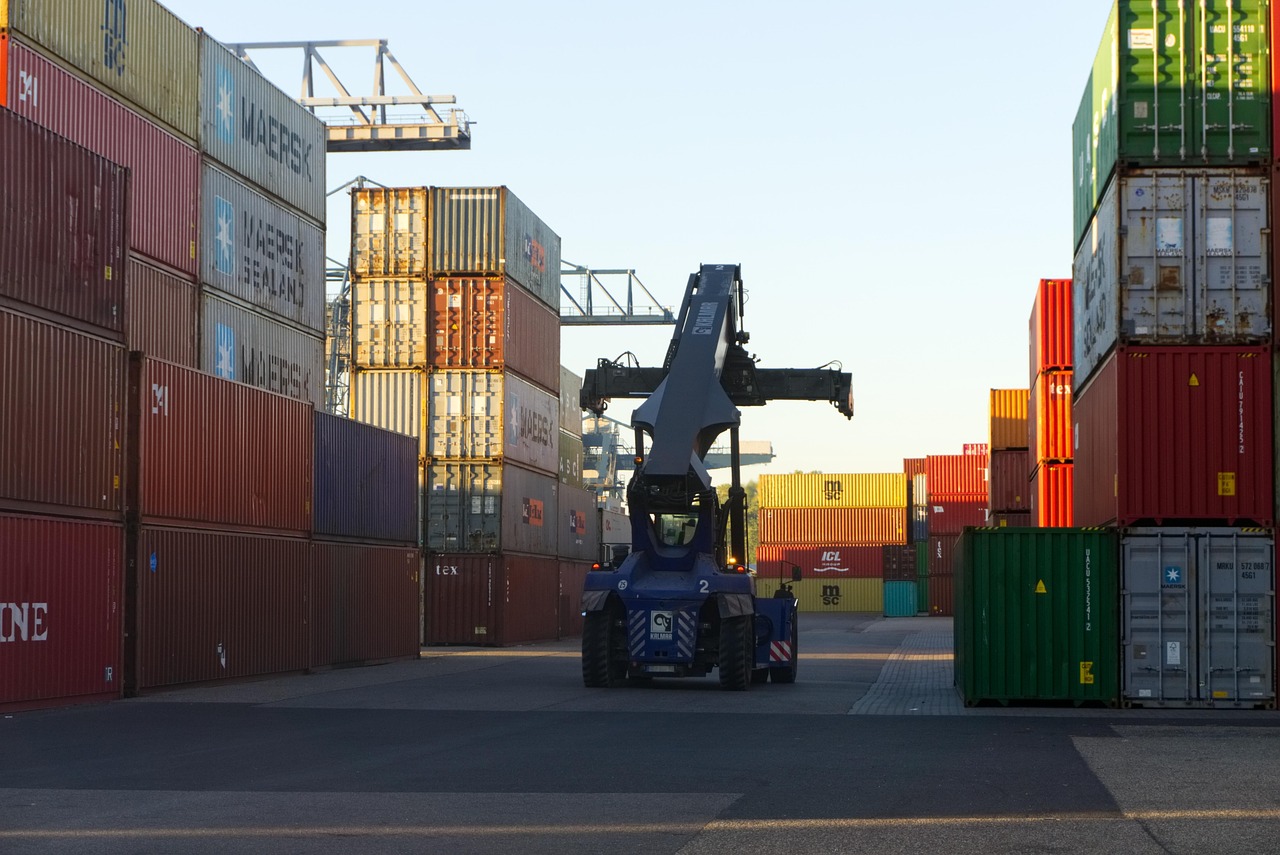
The parties involved and who remains responsible
Several parties may handle parts of an import entry, but their responsibilities are not equal. The importer of record is the party legally responsible for the imported goods, the accuracy of the entry information, and the payment of applicable duties, taxes, and fees. CBP guidance for new importers states that even when a broker is used, the importer of record remains ultimately responsible for the correctness of entry documentation and applicable charges. (help.cbp.gov)
Importer of record
The importer of record may be the buyer, owner, purchaser, consignee, or another qualified party, depending on the transaction structure and national rules. Before the shipment moves, this party should control three basics: the correct legal identity or importer number, the tariff classification logic, and the records that support the declared value and origin.
Customs broker
A licensed customs broker prepares and files entries on behalf of the importer. A broker can help interpret filing requirements, transmit data, coordinate release, and communicate with customs. However, using a broker does not remove the importer’s compliance duty. The importer still needs to provide accurate product descriptions, commercial values, purchase records, and other supporting information.
Freight forwarder and carrier
A freight forwarder arranges transport and may coordinate shipping documents. The carrier physically moves the cargo and issues transport documents such as a bill of lading or air waybill. These parties can affect clearance because customs filings often rely on shipment data from transport documents. If the consignee, weight, piece count, container number, or arrival details do not match the commercial documents, clearance may slow down even when the goods themselves are not sensitive.
Core documents and data customs usually expects
Exact document requirements differ by country, product, and transport mode, but several data points appear in most import customs clearance processes. CBP guidance on commercial invoices says the invoice or acceptable substitute should be submitted with the entry and before release is authorized. It should include an adequate merchandise description, quantities, values or approximate values, and the appropriate eight-digit Harmonized Tariff Schedule subheading for U.S. entries. (help.cbp.gov)
| Document or data point | Why it matters for clearance | Common problem |
|---|---|---|
| Commercial invoice | Supports value, seller, buyer, product description, currency, and terms of sale. | Descriptions such as “parts” or “samples” are too vague for classification or risk review. |
| Packing list | Shows carton count, weights, dimensions, and package-level details. | Piece counts or weights do not match the bill of lading. |
| Bill of lading or air waybill | Connects the customs entry to the physical shipment and arrival record. | The consignee or notify party differs from the entry data. |
| Tariff classification | Determines duty rate, reporting category, and whether special measures may apply. | The importer relies on a supplier code without checking local tariff rules. |
| Country of origin | Affects marking, trade remedies, free trade agreement claims, and admissibility checks. | The country of shipment is confused with the country of origin. |
| Import licenses or permits | Required for regulated goods such as food, chemicals, medical products, plants, or controlled technologies. | The permit is requested only after arrival. |
For U.S. imports, the Harmonized Tariff Schedule sets tariff rates and statistical categories for merchandise imported into the United States. The U.S. International Trade Commission publishes the HTS, while customs authorities administer and enforce classification at entry. (hts.usitc.gov)
The typical import customs clearance workflow
Clearance workflows vary by country and shipment type, but most commercial shipments move through five practical stages. Treating these stages as a working checklist helps prevent last-minute corrections, port storage, and missed delivery windows.
1. Pre-shipment review
Before the purchase order is finalized, the buyer or importer should confirm whether the product is admissible, whether it needs a license, which tariff classification is likely to apply, and who will act as importer of record. This is also the right time to confirm Incoterms, because the commercial terms affect who arranges freight, insurance, clearance support, and cost allocation. Incoterms do not replace customs law, but they help define transaction responsibilities between buyer and seller.
2. Document preparation and data alignment
The supplier, forwarder, and importer should align the commercial invoice, packing list, and transport documents before departure. Product descriptions should be specific enough for classification, risk screening, and any partner agency review. A useful description usually includes material, function, model, composition, intended use, and technical specifications where relevant.
3. Advance filing where required
Some markets require advance cargo information before arrival. For ocean cargo destined to the United States, the Importer Security Filing, commonly called ISF or “10+2,” must generally be filed no later than 24 hours before the cargo is loaded on the vessel destined for the United States. CBP guidance also states that inaccurate, incomplete, or late filing may result in liquidated damages. (help.cbp.gov)
4. Entry filing, examination, and release
When the shipment arrives or becomes eligible for entry, the importer or broker submits the required entry data. Customs may release the goods, request more information, examine the cargo, or refer the shipment to another government agency. Release does not always mean the file is finished; it often means the cargo may move while the duty and entry summary process continues.
5. Entry summary, duty payment, and post-release records
In the U.S. process, CBP guidance states that an entry summary is used to assess duties, collect statistics, and determine whether other legal requirements have been met. It also notes that the entry summary and estimated duties are generally due within 10 working days after entry of the merchandise. (helpspanish.cbp.gov) Importers should retain supporting records because customs reviews may happen after release, especially where classification, valuation, origin, trade remedies, or preferential duty claims are involved. See also: Compliance.
Formal, informal, and low-value shipments need different checks
Many new importers assume a small shipment is automatically simple to clear. That can be a costly assumption. Entry type depends on value, product type, intended use, and national rules. In the United States, CBP guidance says informal entries are usually valued at less than $2,500, while some products cannot use informal entry regardless of value, including certain high-risk products or goods subject to quotas or anti-dumping and countervailing duties. (help.cbp.gov)
Low-value e-commerce shipments need separate attention because rules can change and may differ by origin, mode, and product. CBP guidance published in 2026 states that, effective August 29, 2025, duty-free de minimis treatment under 19 U.S.C. 1321(a)(2)(C) was no longer available for certain shipments entering the United States from all countries that are not covered by specific statutory exceptions. (help.cbp.gov) Traders should therefore avoid relying on old assumptions such as “under $800 means no customs issue” without checking the current rule that applies to the shipment date and route.
Common causes of clearance delays
Most clearance delays come from missing, conflicting, or weak information rather than from the clearance process itself. Many issues are visible before departure if the importer reviews the file carefully.
- Vague product descriptions: Customs cannot assess classification, admissibility, or risk from generic descriptions such as “goods,” “accessories,” or “machine parts.”
- Supplier classification copied without review: A tariff code used for export from one country may not be valid or complete for import into another country.
- Value inconsistencies: Discounts, assists, royalties, tooling, samples, and related-party prices may require additional analysis.
- Origin confusion: The shipping country, selling country, and manufacturing country may be different. Customs origin is not always the same as the port of loading.
- Document mismatch: Differences in weights, carton counts, consignee names, invoice numbers, or container numbers can trigger holds or requests for correction.
- Regulated goods without permits: Food, cosmetics, medical devices, chemicals, batteries, wood packaging, and plant or animal products often involve rules beyond ordinary customs entry.
- Bond or payment not ready: Even when data is accurate, goods can be delayed if the required bond, importer number, or duty payment arrangement is missing.
For more customs-related trade explainers, visit the Customs section on Dumbopus.
A practical clearance checklist before goods ship
A simple pre-shipment checklist can reduce avoidable clearance risk. It does not replace country-specific legal advice, but it gives importers a disciplined way to prepare.
- Confirm the importer of record and importer identification details.
- Verify whether the goods are admissible in the destination country.
- Classify the product using the importing country’s tariff schedule, not only the supplier’s export code.
- Check whether anti-dumping, countervailing, safeguard, Section 232, Section 301, quota, or other special measures may apply.
- Confirm the country of origin and whether origin marking is required.
- Prepare a commercial invoice with clear product descriptions, values, currency, seller, buyer, Incoterms, and invoice number.
- Align the packing list with cartons, weights, dimensions, and marks.
- Confirm the bill of lading or air waybill details before departure.
- Identify any licenses, certificates, testing documents, or partner agency filings.
- Make sure the broker has documents early enough for advance filings and arrival planning.
- Review estimated duty, taxes, user fees, and cash-flow timing before the cargo reaches the border.
- Keep records supporting classification, valuation, origin, and any preferential duty claim.
Frequently asked questions
Is import custom clearance the same as customs brokerage?
No. Import customs clearance is the legal and administrative process for releasing imported goods. Customs brokerage is a service performed by a broker who prepares and files entry information for the importer. A broker can manage the filing, but the importer still needs to provide accurate data and supporting records.
Can goods be shipped before tariff classification is confirmed?
They can physically be shipped, but doing so increases risk. Classification affects duty rates, admissibility requirements, trade remedies, and document needs. If the code is corrected only after arrival, the importer may face delays, duty changes, or additional questions from customs.
Does customs release mean the entry is completely finished?
Not always. Release generally means the goods may move from customs control, but the entry summary, duty payment, post-entry corrections, liquidation, audits, or agency reviews may still matter depending on the country and entry type. Importers should keep the full file even after delivery.
Who should check whether a permit is required?
The importer should take the lead, even if a broker or supplier helps. Suppliers may know export requirements in their own country but may not know destination import rules. Regulated products should be reviewed before production or purchase, not after arrival.
What is the fastest way to avoid clearance delays?
The fastest practical step is early document review. Ask the supplier for the draft invoice, packing list, product specifications, origin details, and transport plan before the shipment departs. Most avoidable delays can be found in those documents before customs ever sees the entry.