How Can QC Quality Stop Costly Import Mistakes Before Shipment?
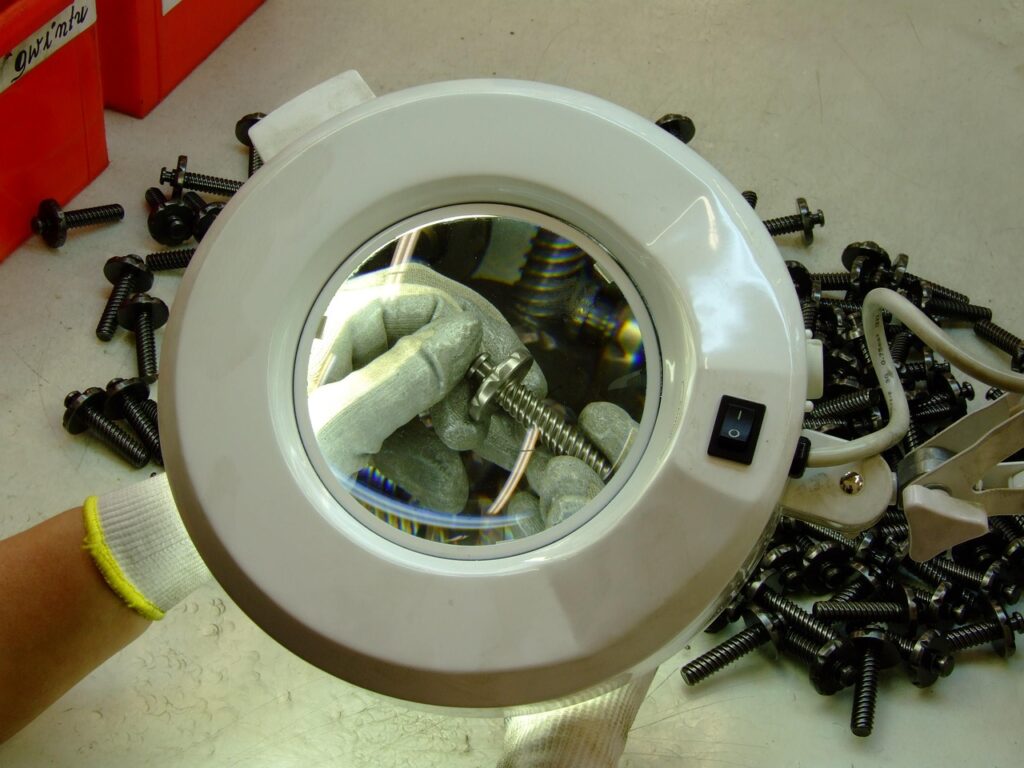
Why Does QC Quality Matter before Goods Leave the Factory?
QC quality is a day-to-day control step that keeps an import order from turning into a claim, a return, or a long email thread. When you buy goods across borders, the best time to catch a defect is still inside the factory, before the cartons go to port. The quality resources on Dumbopus look at this trade work from the buyer’s side.
A Small Checkpoint with a Large Cost Impact
A loose screw, wrong barcode, weak carton, or color shade issue may look small in the sample room. After shipment, the same issue can lead to warehouse rework, customer refunds, delayed listings, or a price cut request from your distributor. Good QC is plain work. It is a checklist, a tape measure, a carton drop note, and someone asking whether the goods match the approved order.

The Trade Scale behind Every Defect
The World Trade Organization reported in World Trade Statistics 2025 that world trade in goods and commercial services reached US$34.65 trillion in 2025, up 7% on a balance-of-payments basis. In a market that size, small errors do not stay small for long. One weak batch can cross an ocean, move into several sales channels, and hurt buyer trust before a supplier has time to explain what went wrong. (wto.org)
Defects That Become Border and Customer Problems
Quality risk is not only about how the product looks. It can turn into a compliance problem once the shipment reaches the border or the sales market. The U.S. FDA states that import alerts can allow detention without physical examination when products or firms appear to violate FDA laws. The U.S. CPSC also said in 2025 that investigators had requested seizures of over 750,000 units for consumer product violations during the first seven months of that year. (fda.gov)
What Should You Check in a Pre-Shipment QC Plan?
A pre-shipment plan should be easy enough to use every day and firm enough to stop bad goods. Many buyers only check what they can see on the product. A better plan connects the purchase order, approved sample, packaging, labeling, quantity, and market rules in one inspection path.
Product Specs That Buyers Can Measure
Start with points an inspector can check and record. Size, weight, material, color, function, assembly, printing, finish, and accessories should have clear tolerances. If a stainless-steel bottle must hold 750 ml, write that in the file. If the logo must pass a rub test, describe the test method. Loose words such as premium, strong, or nice looking only create arguments later.
Packaging Rules That Match the Journey
Export packaging has to handle stacking, vibration, humidity, and rough handling. A carton that looks neat in a factory office may fail after loading, trucking, and container movement. Check inner bags, master carton strength, edge protection, pallet rules, warning marks, and carton weight. For e-commerce products, even a small corner crush can turn into bad reviews.
Labels and Documents That Match the Order
Label errors look boring until customs, Amazon receiving, or a retail warehouse rejects the shipment. Check SKU, barcode, country of origin, warning text, model number, batch code, and carton marks against the order before the goods leave. The World Bank Logistics Performance Index 2023 covers 139 countries and includes customs, infrastructure, shipment ease, logistics service quality, tracking, and timeliness, which shows how closely paperwork and cargo movement sit together in real trade. (worldbank.org)
How Do AQL and Sampling Make Inspections More Reliable?
Checking every unit takes time and costs money. Checking too few units leaves too much risk. That is why many importers use AQL sampling for lot-by-lot inspection. It gives buyers and suppliers one agreed method, so a failed inspection does not feel like someone’s personal opinion.
AQL as a Practical Risk Language
ISO 2859-1:2026 covers sampling procedures for inspection by attributes and uses acceptance quality limit, or AQL, to set sample sizes and acceptance or rejection numbers for lots. In simple words, AQL helps you decide how many pieces to check and how many defects are too many for shipment approval. It also gives the supplier a clear rule before the inspector arrives, which helps avoid last-minute arguing. (iso.org)
Sample Size Instead of Full Sorting
For a 5,000-piece order, a normal inspection may check only a set sample, not all 5,000 units. This does not remove all risk, but it gives a fair reading of the lot. Use tighter checks for safety, legal labeling, electrical performance, baby products, food-contact items, and any product where one failure can harm people. In those categories, saving a little time on inspection is rarely worth it.
Clear Pass and Fail Rules
Before production ends, list critical, major, and minor defects. A missing safety label can be critical. A broken function can be major. A tiny paint speck on a hidden surface may be minor. The main point is to write these rules before the inspection, not after bad photos arrive in a report.
Which Quality Documents Should Travel with an Export Order?
Documents do not replace inspection, but they help prove what was ordered, produced, checked, and shipped. When a dispute starts, clean records usually shorten the discussion. When records are messy, even a capable supplier can look careless.
Purchase Order and Approved Sample
The purchase order should state the product version, specs, packaging, quantity, price, delivery date, inspection right, and claim terms. The approved sample should match that PO, not a similar version from an old order. If the factory changes a zipper, chip, fabric, screw, plug, paint, or mold, you need written approval before mass production moves too far. This keeps both sides from relying on memory later.
Inspection Report and Photo Evidence
A useful report includes order details, factory name, inspection date, packed quantity, sample size, defect list, test results, carton checks, photos, and the final result. Photos should show both accepted points and problem points. A blurry photo of a defect pile is not enough. Ask for close-ups and wider photos so the team can see where the issue happened.
Compliance Files and Test Records
For regulated goods, keep test reports, certificates, bills of materials, warning label files, and supplier declarations in one folder. Do not wait until customs, a retailer, or a customer asks for them. ISO 9001:2015, the global quality management system standard, is built around meeting customer and applicable statutory and regulatory requirements and raising customer satisfaction. That fits export work well: prove the requirement, then prove the check. (iso.org) See also: Compliance.
How Can You Manage Suppliers without Creating Daily Friction?
Quality control should not feel like a fight every week. Clear rules protect both sides. The supplier knows what will be checked, and you avoid turning every shipment into a personal negotiation.
Quality Clauses in the First Quote
Add inspection terms before the order is placed. State that final payment may depend on passed inspection, that rework is the supplier’s duty for confirmed defects, and that material changes need written approval. This may sound firm, but it is much easier than asking for discounts after goods are packed. It also shows the factory that QC quality is part of the order, not an afterthought.
Corrective Action That Fixes the Root Cause
When a shipment fails, do not stop at replace the bad pieces. Ask why the defect happened and look at the work process behind it. Was the operator untrained? Was the jig worn out? Was incoming material not checked? A short corrective action report should list the cause, fix, owner, deadline, and proof. Keep it plain, because fancy forms do not fix bent brackets.
Supplier Scores That Stay Simple
Score each supplier on inspection pass rate, defect type, delivery accuracy, document accuracy, and response speed. A simple 100-point sheet is enough for most importers. Share the score after each order, so the factory sees the same record you see. Good suppliers usually like fair numbers because it helps them win repeat business.
When Should You Pay More for Third-Party Inspection?
Not every order needs an outside inspector. For a stable supplier and a low-risk repeat order, internal factory QC plus spot checks may be enough. Pay for third-party inspection when the risk, order value, or market rule makes a mistake too costly.
New Supplier or New Product
Use independent inspection when the supplier is new, the factory has changed location, or the product is being made for the first time. First orders often show the real process behind the sample. The sales team may sound prepared, but the packing bench often tells the real story. A third-party visit gives you a clearer look before the goods leave.
High-Risk Category or Regulated Market
Electrical goods, toys, medical-adjacent items, cosmetics, food-contact products, lithium battery goods, and children’s products need tighter control. The OECD has reported that trade facilitation can cut trade costs by 14% to 18% and raise world trade by 0.6%, which is a reminder that border efficiency matters. Still, better border flow cannot save a shipment that fails safety or labeling rules. For these products, inspection and compliance files should be treated as part of the selling cost. (oecd.org)
Tight Deadline or High Claim Cost
If a late replacement would miss a promotion, holiday season, or retail delivery window, inspect before shipment. The same applies when your buyer charges back for defects. Spending a few hundred dollars on inspection can feel annoying at the time. Paying air freight, rework labor, and customer refunds usually feels worse.
FAQ
Q1: What Does QC Quality Mean in Import and Export Trade? A: It means checking product specs, packaging, labels, quantity, function, and compliance before goods move through the supply chain. The aim is to catch defects early, while fixes are still possible.
Q2: Is Pre-Shipment Inspection Enough for Every Order? A: No. It matters, but some orders also need incoming material checks, during-production checks, lab testing, or loading supervision. The right mix depends on product risk and supplier history.
Q3: What Is the Difference between QC and QA? A: QC checks actual goods and finds defects. QA builds the process that should prevent those defects. In sourcing work, you need both, but QC is usually the last practical gate before shipment.
Q4: How Often Should You Inspect a Repeat Supplier? A: Inspect more often when defects rise, materials change, staff changes, or order value grows. For steady low-risk goods, you can reduce frequency, but random checks still keep the process honest.
Q5: Can a Passed Inspection Still Have Defects? A: Yes. Sampling reduces risk; it does not remove it. That is why clear specs, reliable suppliers, good packaging, and complaint tracking matter as much as the final inspection result.