Why Is Ningbo Ocean Shipping a Strong Choice for Global Importers?
Why Should You Pay Attention to Ningbo Ocean Shipping?
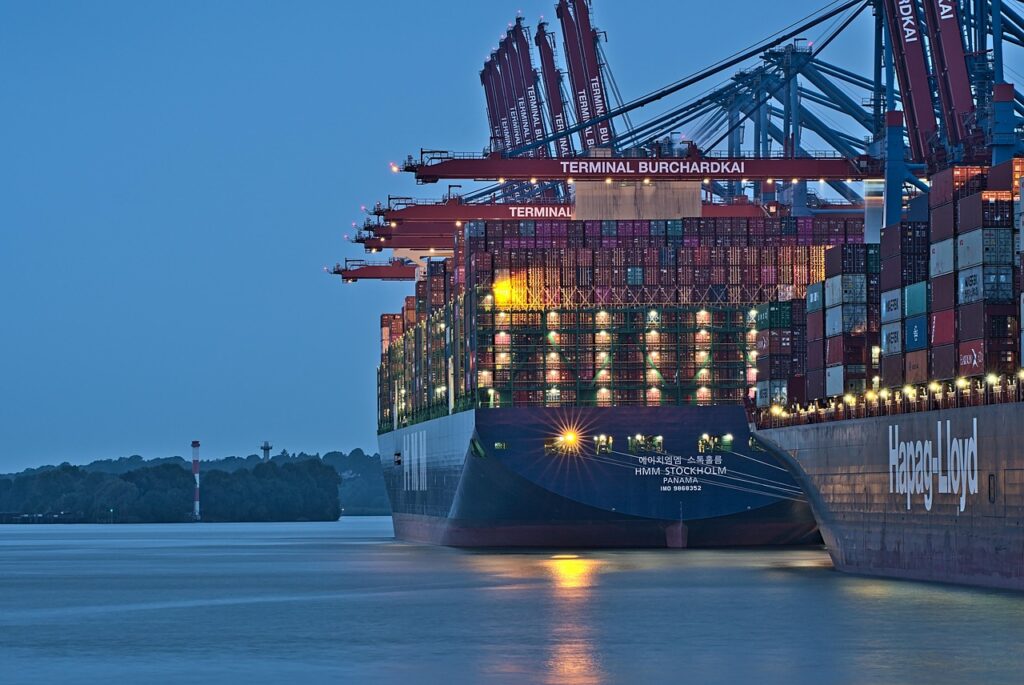
Ningbo ocean shipping is worth watching because the port sits close to many factories in Zhejiang and the wider Yangtze River Delta. If you buy hardware, auto parts, plastics, tools, textiles, household goods, or mixed wholesale cargo from this area, Ningbo is more than a port name on a booking sheet. It can affect freight cost, transit time, document timing, and how much room your supplier has before the cutoff. For more practical trade guides, you can also visit the shipping guidance section.
The scale is easy to see in the numbers. The State Council of China, citing Xinhua in January 2025, reported that Ningbo-Zhoushan Port handled 39.3 million TEUs in 2024, up 11 percent year on year, and more than 1.37 billion tonnes of cargo. A later Zhejiang report in January 2026 said the port passed 1.4 billion metric tons of cargo in 2025. This does not mean every shipment moves without trouble. A small booking can still miss a sailing. It does show why many carriers, forwarders, and factories treat Ningbo as a main export gateway. (english.www.gov.cn)

A Deepwater Gateway for Zhejiang Exports
Ningbo-Zhoushan has deepwater berths and a long coastline, so it can handle container vessels, bulk cargo, and project cargo. For importers, the main benefit is direct: suppliers around Ningbo, Shaoxing, Taizhou, Jinhua, Yiwu, Hangzhou, and parts of Jiangsu can often send cargo to the port with a shorter inland move. That shorter move can matter when goods are packed late or when the vessel cutoff is close.
Strong Links Beyond the Pier
Port size only helps when cargo can reach the terminal on time. Ningbo has road, barge, and sea-rail links that connect factories and inland cities. The State Council report said the port’s sea-rail service connected 67 prefecture-level regions and handled more than 1.8 million TEUs in 2024. This is useful when your supplier is not near the coast but still needs a steady export channel.
A Practical Fit for Mixed Product Lines
Many importers do not ship one simple item. One purchase order may include cartons from two factories, spare parts from a third supplier, and packaging from another city. Ningbo works well for this kind of normal sourcing work because forwarders can arrange consolidation, warehouse receiving, customs declaration, and container loading around a busy port network. It is not always neat, but it fits how many China orders are actually built.
How Does Ningbo Ocean Shipping Compare with Shanghai?
Shanghai is still a major port, and serious buyers should not ignore it. The real question is not which port is better known. The question is which port fits your supplier location, cargo type, sailing week, and destination. Ningbo may be the better choice for many Zhejiang-based shipments, while Shanghai may still suit some Jiangsu or inland cargo. The answer can change by season, carrier, terminal status, and container space.
Shorter Inland Moves for Nearby Factories
If your supplier is in Ningbo, Yuyao, Cixi, Taizhou, Jinhua, or Yiwu, Ningbo usually reduces inland trucking time. Shorter trucking can lower inland cost, reduce handling risk, and give the supplier more time before customs and terminal cutoffs. A carton sitting on a truck late on Friday is a poor start to any shipment, especially when the CY closing time is near.
More Carrier Choice Than Many Exporters Expect
Ningbo-Zhoushan is not a small backup port. The State Council report said it had more than 300 container routes in 2024, including over 250 international routes, connecting more than 600 ports in over 200 countries and regions. That route base gives you more room to compare direct sailings, transshipment plans, and equipment supply. It also helps when one carrier has space issues but another still has a workable option.
A Sensible Backup When Schedules Shift
When space is tight or a vessel is delayed, Ningbo and Shanghai can sometimes work as backup choices for each other. You should not switch ports at the last minute without checking trucking cost, customs setup, and terminal rules. Still, having both options near your sourcing area can give you some room to move during peak season. That small margin can be useful when the sales date is fixed.
What Costs Should You Check Before Booking?
A low ocean freight quote can look good in an email, but the final bill usually has more lines. Ningbo ocean shipping cost often includes the ocean rate, origin charges, destination charges, documentation fees, customs-related fees, possible inspection cost, and inland trucking. It is better to compare total landed logistics cost instead of only the sea freight line.
Base Ocean Freight and BAF
The base ocean freight is the main rate, often shown per 20-foot, 40-foot, or 40-foot high cube container. Fuel-related items such as bunker adjustment factor may be included in the rate or shown as a separate line. Drewry’s World Container Index methodology, updated in January 2025, notes that its assessed rates are reported in U.S. dollars per 40-foot container and cover major East-West routes, with several common surcharges included in the rate definition. This is a good reminder to check what is inside the quote before you compare one offer with another. (drewry.co.uk)
Local Charges at Origin and Destination
Origin charges can include terminal handling, documentation, booking, customs declaration, seal, VGM, and trucking. Destination charges can include terminal handling, delivery order, customs clearance, exam fees, demurrage, detention, and final delivery. Ask your forwarder to split origin, ocean, and destination charges clearly. A short table in an email is much better than one vague all-in price.
Risk Buffers for Peak Season and Disruption
Freight rates move, sometimes quickly. UNCTAD’s Review of Maritime Transport 2024 said freight rates surged in 2024 because of rerouting, port congestion, and higher operating costs. It also reported that the Shanghai Containerized Freight Index had more than doubled by mid-2024 compared with late 2023. The point is simple: if your margin is tight, leave room for rate changes before you confirm your sales price. Otherwise, a shipment that looked profitable on Monday can look different by the time space is confirmed. (unctad.org)
Which Documents and Compliance Steps Matter Most?
Shipping problems often start with small document errors. A wrong consignee name, unclear product description, late HS code check, or missing battery declaration can slow the shipment more than bad weather. Before cargo leaves the factory, confirm document details with your supplier, forwarder, and customs broker.
Commercial Papers That Match
Your commercial invoice, packing list, sales contract, and booking details should match. Product names do not need fancy wording. They need to be clear and usable for customs work. Use practical descriptions such as stainless steel hinge, cotton T-shirt, or plastic storage box. If the invoice says one thing and the packing list says another, customs questions may follow. Those questions can cost time even when the cargo itself is fine.
Container Details and Cutoff Times
Every sailing has several cutoffs, including SI cutoff, VGM cutoff, customs cutoff, and terminal gate-in cutoff. Ningbo can move cargo fast, but busy weeks still punish late paperwork. Ask for the vessel name, voyage, ETD, CY closing time, and document deadline. Put these details in one message chain so the supplier, forwarder, and buyer are working from the same information.
Destination Rules Before Sailing
Destination compliance should not wait until the container is already on the water. U.S. importers may need ISF filing before departure. EU buyers may need EORI details and product compliance files. Wood packaging may require ISPM 15 marks. If cargo has batteries, magnets, liquids, chemicals, or medical-use claims, check the rules early. A small fix at origin is often much cheaper than a correction at destination.
How Can You Plan a Safer Ningbo Sailing?
Safer planning does not mean every shipment arrives on the first schedule date. Ocean freight still has delays, blank sailings, weather issues, and port changes. The practical goal is to reduce avoidable mistakes and give the cargo a better chance. For Ningbo shipments, plan around factory readiness, vessel reliability, customs timing, and container space.
Book Early Around Holidays
Chinese New Year, Golden Week, and pre-summer retail seasons can make space tight. Book earlier than usual when your cargo must meet a promotion, a production line date, or a seasonal shelf date. During holiday weeks, a supplier may say the goods are almost ready. That phrase should be backed by a real carton count, packing date, and loading date.
Match Cargo Type with Container Type
A 40-foot high cube works for many light consumer goods. Heavy parts may reach weight limits before the container is full. Fragile goods may need pallets, corner protection, or stronger cartons. LCL cargo needs clean marks and solid packaging because it may move with other shippers’ cargo. The box is shared space, not a private storage room. Planning the packing method early can prevent claims and repacking costs later.
Track Reliability, Not Only ETD
ETD is only the planned departure date. You should also watch schedule reliability and average delay. Sea-Intelligence reported in February 2025 that global schedule reliability stayed largely within 50 to 55 percent through 2024, with late vessels averaging 5.32 days of delay in January 2025. A January 2026 summary of Sea-Intelligence data put December 2025 reliability at 62.8 percent, with late vessels averaging 5.04 days. That is better than 2024, but it is still not perfect. Build your delivery promise with that in mind. (sea-intelligence.com)
When Should You Use FCL, LCL, or Sea Rail?
Choosing the right service is not about using the most professional-sounding term. It comes down to volume, timing, risk, and cash flow. A full container can be cleaner and faster for larger orders. LCL can reduce cost for smaller orders, but it adds handling. Sea-rail can help inland suppliers reach Ningbo without depending only on long-haul trucking.
FCL for Stable Volume
Use FCL when your cargo can fill most of a 20-foot or 40-foot container, when packaging is sensitive, or when you want less handling. FCL also helps when several SKUs belong to one order and you need cleaner inventory control at destination. The container seal gives a simple chain of custody from loading to arrival. For many regular importers, that control is worth more than the small rate difference on some shipments.
LCL for Smaller Purchase Orders
LCL is useful when you ship a few cubic meters and cannot wait to build a full container. It is common for samples, trial orders, spare parts, and slow-moving SKUs. Check the chargeable volume, minimum fee, warehouse cutoff, and destination CFS charges. LCL can look cheap at origin and less cheap after destination fees. It also needs better carton marks because the cargo will be handled more than FCL cargo.
Sea Rail for Inland Suppliers
If your supplier is inland, sea-rail into Ningbo may reduce trucking pressure and make planning easier. China Daily reported in July 2025 that Ningbo-Zhoushan handled 710 million tons of cargo in the first half of 2025 and 21.04 million TEUs, up 9.8 percent year on year. That flow shows a port system supported by inland links, not only busy cranes at the coast. For buyers using suppliers far from the terminal, this can make Ningbo ocean shipping a more workable option. (govt.chinadaily.com.cn)
FAQ
Q1: Is Ningbo Ocean Shipping Better Than Shanghai for Every Importer? A: No. Ningbo is often better for Zhejiang-based suppliers, while Shanghai may suit some Jiangsu, Anhui, or inland cargo. Compare inland cost, sailing schedule, space, and destination service before choosing.
Q2: How Early Should You Book a Ningbo Ocean Shipment? A: For normal weeks, many importers start checking space two to three weeks before cargo readiness. Before Chinese New Year, Golden Week, or a peak sales season, earlier booking is safer.
Q3: What Is the Biggest Hidden Cost in Ningbo Shipping? A: Destination charges are often the surprise. Ask for terminal handling, delivery order, customs clearance, exam, demurrage, detention, and final delivery estimates before you approve the booking.
Q4: Can You Ship LCL Cargo from Ningbo? A: Yes. Ningbo has active consolidation services for smaller shipments. Check warehouse cutoff, cargo marks, packaging strength, and destination CFS fees, because LCL cargo receives more handling than FCL cargo.
Q5: What Data Should You Watch Before Confirming a Sailing? A: Watch vessel ETD, cutoff times, equipment availability, rate validity, schedule reliability, and recent port conditions. Public sources such as UNCTAD, Sea-Intelligence, Drewry, and official port reports can help you read the market more clearly.