Is China Shipping Still the Best Choice for Global Importers in 2026
Why Does China Shipping Still Matter for Importers in 2026?
China shipping is still close to the middle of global sourcing because factories, ports, export agents, customs brokers, consolidators, trucking networks, and container capacity sit in the same supply base. When you compare routes, costs, and transit times, the Shipping section can help you check these parts before a purchase order becomes a container booking.
China Remains a Core Goods Trade Hub
The scale is still hard to ignore. The General Administration of Customs of China reported on July 14, 2026 that China’s foreign trade in goods reached RMB 25.47 trillion in the first half of 2026, up 16.9 percent year on year. This figure does not mean every shipment will move without trouble, but it explains why many buyers still build supply chains around China. The trade base is wide, covering home goods, machinery, electronics, auto parts, furniture, textiles, packaging, and parts used in industrial production.
Ports Carry Real Capacity
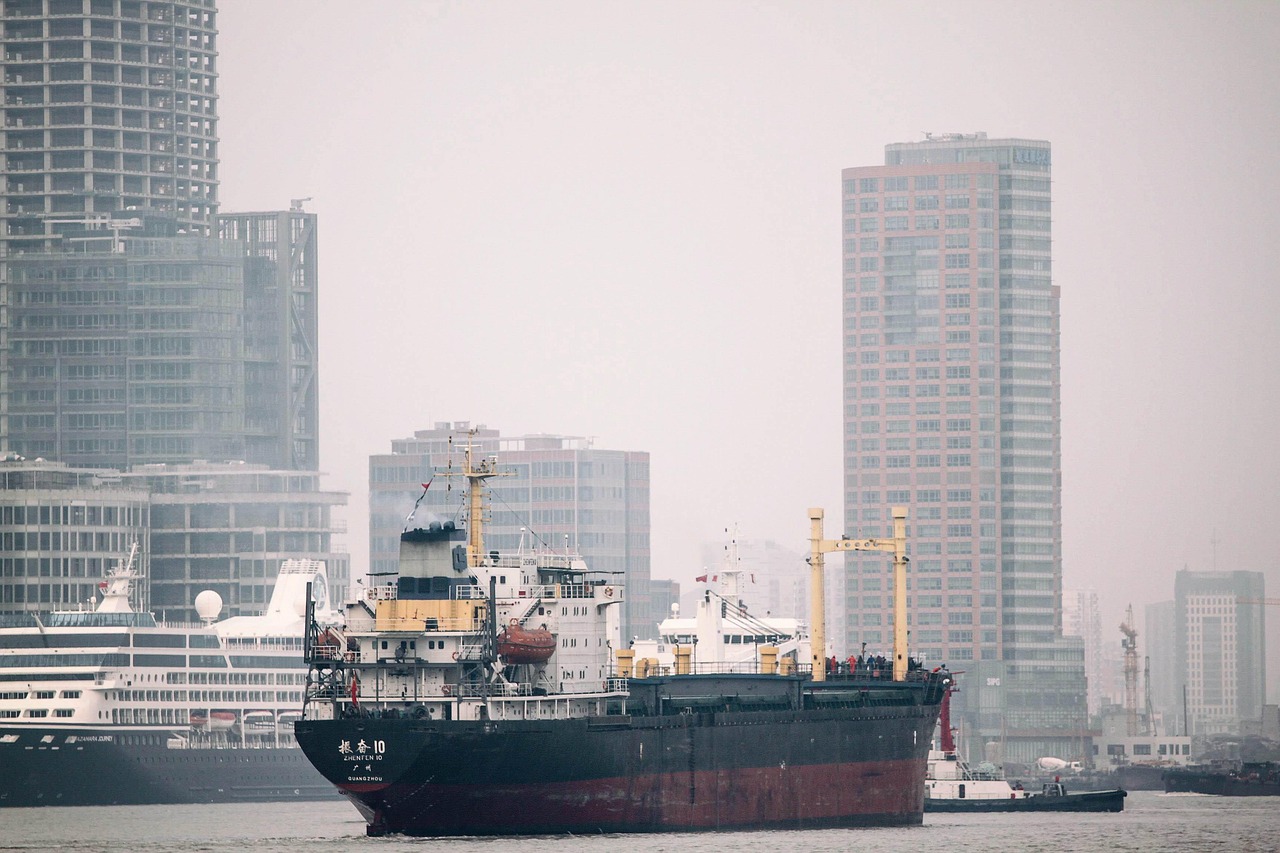
Port capacity is another reason importers keep China on the shortlist. Shanghai International Port Group reported 51.506 million TEU of container throughput in 2024, keeping Shanghai as the world’s busiest container port for the 15th straight year. Ningbo-Zhoushan, Shenzhen, Qingdao, Guangzhou, Tianjin, Xiamen, and Hong Kong also give buyers several routing choices. If one port is short of space, cargo may move through another gateway, but the extra inland trucking can wipe out the saving if nobody checks it early.
Shipping Choices Start With Your Product
Your product decides more than many sales teams expect. A pallet of metal brackets, a carton of lithium battery devices, and a sofa set do not move under the same rules. Weight, cube, value, battery content, wood packaging, HS code, destination rules, and delivery deadline all affect the route. A low quote can become costly if it misses one of these points, and this small freight checking work often saves the most money.
Which China Shipping Method Should You Choose?
The right method depends on order size, deadline, budget, and risk. Sea freight normally fits larger cargo, while air freight is useful when time matters more than freight cost. UNCTAD has long noted that maritime transport carries more than 80 percent of world merchandise trade by volume, so ocean freight remains the usual choice for bulky international cargo.
FCL for Stable Volume
Full container load, or FCL, works best when your cargo can fill most of a 20-foot, 40-foot, or 40-foot high cube container. You pay for the box, not for each cubic meter inside it. FCL also means fewer handling points because your goods stay in one sealed container from the origin port or factory loading point to destination. For furniture, building materials, machinery, large seasonal orders, or repeat SKUs, FCL often gives better control and fewer warehouse touches.
LCL for Smaller Orders
Less than container load, or LCL, lets you ship a few cartons, pallets, or cubic meters in a shared container. It can work well for trial orders, spare parts, Amazon-style replenishment, or mixed supplier cargo. The trade-off is time and handling, because LCL cargo goes through consolidation in China and deconsolidation at destination. Packaging must be stronger than the product team may think, so fragile goods need double-wall cartons, pallet wrapping, corner guards, and clear marks as basic protection.
Air Freight for Urgent or High-Value Cargo
Air freight fits samples, medical parts, premium electronics, fashion launches, and urgent replenishment. It is faster, but the chargeable weight rule can catch people out. Airlines compare actual gross weight with volumetric weight and bill the higher number, so a light product in a large carton may cost more than expected. If you need speed but can wait a little, ask about deferred air service instead of only express courier, since two extra days can sometimes cut the bill by a lot.
How Should You Plan Costs Before Cargo Leaves China?
Freight cost is not only the ocean or air rate. A real landed cost includes origin charges, international transport, import duty, tax, destination handling, final delivery, insurance, and possible storage. This is where many new importers get caught. The first quote looks fine, then the destination invoice arrives with fees that were never discussed during ordering.
Incoterms Set the Cost Line
Incoterms 2020, published by the International Chamber of Commerce, sets out how buyers and sellers split delivery cost, risk, and responsibility. Common China export terms include EXW, FOB, CIF, DAP, and DDP. FOB is often clean for ocean imports because the supplier handles export clearance and delivery to the named Chinese port, while you control the main freight. EXW may look cheaper on the supplier invoice, but you may have to arrange pickup, export documents, and local handling yourself.
Rate Quotes Need More Than Ocean Freight
Spot rates can change fast. Drewry’s World Container Index for week 29 of 2026 reported that the composite index fell 2 percent, while Shanghai to Los Angeles was assessed at USD 6,272 per 40-foot container and Shanghai to Rotterdam at USD 4,873. These figures are market examples, not fixed prices for your booking. Your quote should show origin trucking, export declaration, terminal handling, documentation, AMS or other manifest fees, bunker or peak charges, destination terminal handling, customs entry, and final delivery.
Landed Cost Protects Your Margin
Before you approve production, build a landed cost sheet. Include product price, inland freight in China, export charges, main freight, insurance, import duty, merchandise processing fees if applicable, customs broker fees, exam risk, warehouse receiving, and last-mile delivery. For duty, use the correct HS code and the rules in the destination market. Guessing a code to make the margin look better is not a plan, and it usually becomes a problem later.
What Documents Keep China Shipping Moving?
Documents are not just office work. They are the reference that customs, carriers, terminals, banks, brokers, and warehouses use to identify your cargo. A one-letter typo in a consignee name may be simple to fix at origin and slow to fix after arrival. That is why document review should happen before sailing, not when free time has already started.
Commercial Invoice and Packing List
The commercial invoice should show seller, buyer, product description, quantity, unit value, total value, currency, Incoterm, country of origin, and payment terms. The packing list should match carton counts, net weight, gross weight, dimensions, marks, and package type. If your supplier writes “accessories” for every item, ask for clearer product descriptions. Customs officers do not like mystery cargo, and your broker will not like it either.
Bill of Lading and Booking Details
The bill of lading records shipper, consignee, notify party, vessel, voyage, port of loading, port of discharge, container number, seal number, and cargo description. Check whether you need a master bill, house bill, telex release, sea waybill, or original bill. One common mistake is listing the wrong consignee when goods are sold again before arrival. Fixing it later can mean amendment fees, release delays, and a few tense emails at the end of the week.
Customs Codes and Import Filings
For U.S. ocean imports, U.S. Customs and Border Protection states that the Importer Security Filing, often called ISF 10+2, must be submitted no later than 24 hours before cargo is loaded on the vessel bound for the United States. Other markets have their own advance data rules, such as EORI-based customs processes in the European Union. Give your broker the HS code, manufacturer details, buyer details, seller details, stuffing location, and container stuffing party early. Late data can stop cargo before it even leaves China. See also: Compliance.
How Can You Reduce Delays, Damage, and Surprise Fees?
Most China shipping problems are ordinary operation misses: cutoffs, weak cartons, late documents, wrong labels, port congestion, customs exams, and truck appointment gaps. You cannot remove every risk, but you can cut the chance of paying for a mistake that should have been avoided. The World Bank’s Logistics Performance Index 2023 measured 139 economies across customs, infrastructure, international shipments, logistics services, tracking, and timeliness, which is a useful reminder that reliability comes from the full chain, not one carrier logo.
Book Space Before Peak Weeks
Plan earlier around Chinese New Year, Golden Week in October, and the late-summer retail peak for holiday goods. Factories may close, truckers get booked, and carriers may roll containers when space is tight. A booking made seven days before cargo readiness is not always late, but during peak weeks it may leave too little room. If your product launch has a fixed date, build a buffer, because even a well-run warehouse cannot sell goods still floating outside the port.
Match Packaging to the Route
Packaging should match how many times the cargo will be handled. FCL cargo loaded at the factory may need less handling strength than LCL cargo moving through several warehouses. Heavy cartons need proper pallet weight limits, and fragile items need drop-tested packaging. Wood packaging may require ISPM 15 treatment and clear marks for many destinations. If cartons will be floor-loaded, ask for a loading photo, because it tells you a lot about the real condition before the container leaves.
Track Milestones, Not Just Vessels
Vessel tracking helps, but the job is managed by milestones. The points that matter are cargo ready date, pickup date, gate-in, customs release at origin, actual sailing, transshipment, arrival, customs entry, exam status, delivery order release, final delivery appointment, and warehouse receipt. Ask for these points in simple language. If a forwarder only says “on the way,” you may not know whether the container sailed, missed the vessel, or is waiting at a transshipment port.
What Should You Ask a Freight Partner Before Booking?
A freight partner should make the process clearer, not just send a lower rate. The useful questions are simple: What is included? What is not included? What can go wrong on this route? Who pays if the container is rolled? What documents are needed before cutoff? You do not need perfect freight jargon. You need clear answers before money and cargo are tied up.
Clear Scope From Factory to Door
Ask whether the quote covers factory pickup, export customs, origin port charges, main freight, destination port charges, customs brokerage, duty payment support, and final delivery. If your supplier quotes FOB Ningbo and your forwarder quotes from Shanghai, the numbers do not compare. The same caution applies to DDP. If a DDP offer does not explain duty, tax, importer of record, product compliance, and delivery limits, treat it carefully.
Practical Route Advice
A good route is not always the nearest port. A factory in Zhejiang may use Ningbo, Shanghai, or even another gateway depending on sailing frequency, rate, congestion, and equipment. A factory in Dongguan may use Shenzhen or Guangzhou. Ask for expected transit time, sailing day, cutoff day, transshipment plan, and backup option. One extra inland day may be acceptable if it avoids a two-week delay.
Transparent Problem Handling
Ask how delays, customs exams, damage claims, and demurrage risks are handled. Also ask who sends arrival notices and who checks free time at destination. Many fees grow because nobody takes ownership for two or three days. A clear escalation contact matters more than a sales deck, because freight is still a people business even with all the software around it.
FAQ
Q1: Is China Shipping Cheaper by Sea or Air? A: Sea freight is usually cheaper for bulky or heavy cargo. Air freight is better for urgent, small, or high-value shipments. Compare the landed cost, not only the freight line.
Q2: How Long Does China Shipping Take to the United States? A: Port-to-port ocean transit can run from about two to six weeks depending on coast, route, service, and transshipment. Door-to-door timing needs extra days for pickup, customs, port handling, and final delivery.
Q3: Which Chinese Port Should You Use? A: Use the port that fits the factory location, sailing schedule, rate, equipment supply, and destination. Shanghai, Ningbo-Zhoushan, Shenzhen, Qingdao, Guangzhou, Tianjin, and Xiamen are common choices.
Q4: Do You Need Cargo Insurance for China Shipping? A: Yes, it is usually wise. Carrier liability is limited, and it may not cover your full commercial loss. Insurance matters more for fragile, seasonal, high-value, or hard-to-replace goods.
Q5: What Is the Biggest Mistake New Importers Make? A: The biggest mistake is treating the supplier price as the final cost. Check Incoterms, freight, duty, destination fees, documents, packaging, and delivery timing before you approve the order.