Is China Freight Shipping Still the Best Choice for Importers in 2026?
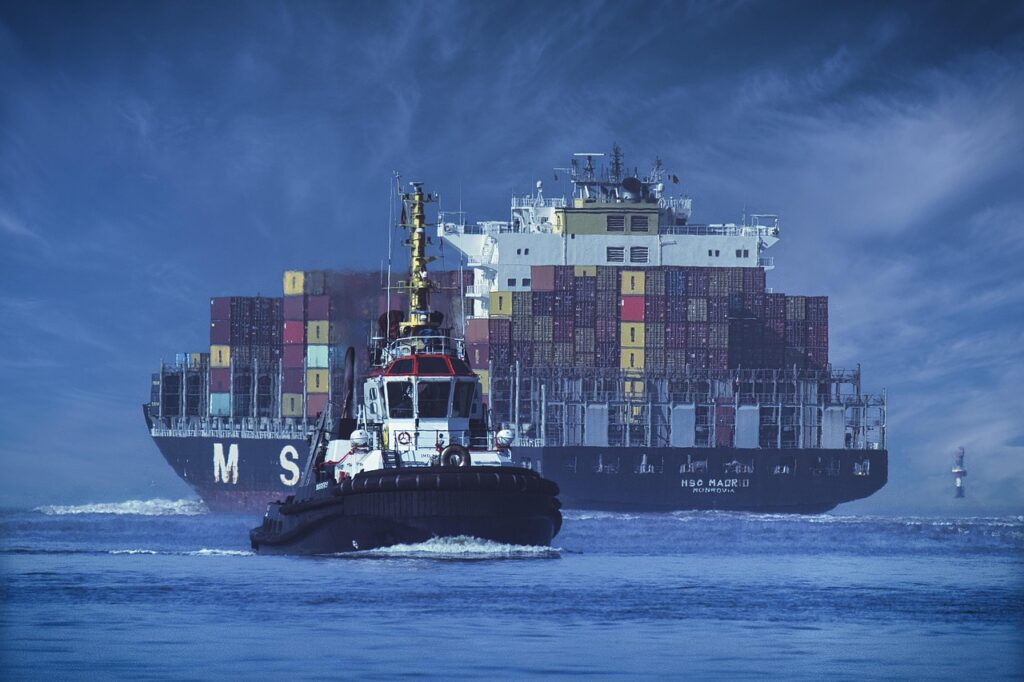
Should You Still Rely on China Freight Shipping in 2026?
For many importers, china freight shipping is still a workable way to move goods from the factory to an overseas warehouse. It is not only about lower production cost or large ports. The main value is the full chain around the shipment: supplier clusters, inland trucking, export documents, container space, and steady sailings from ports such as Shanghai, Ningbo, Shenzhen, Qingdao, Xiamen, and Tianjin.
Public data points in the same direction, but it needs to be read with care. UNCTAD Data Hub, updated on March 17, 2026, reported that China loaded about 670 million metric tons and discharged close to 3.0 billion metric tons of maritime cargo in 2024, equal to 6% of global loaded volume and 25% of global discharged volume. That size gives buyers more route options, but it does not mean every shipment is easy or low-cost.
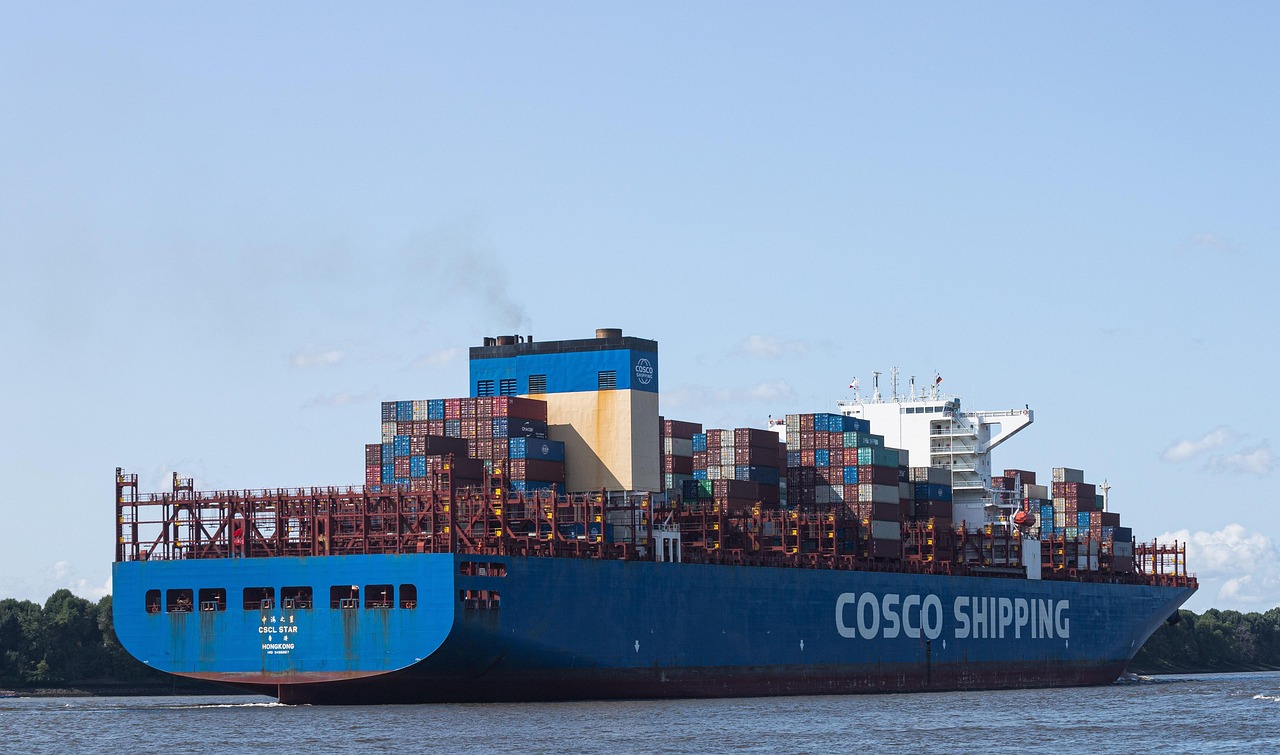
China Has a Dense Shipping Network
China works well for importers because cargo can be collected from many factory areas and moved through several main gateways. If your supplier is in Zhejiang, Guangdong, Jiangsu, Shandong, or Fujian, there is often more than one port that can work for the shipment.
This helps when one port is congested, when a vessel rolls cargo, or when the factory misses a cutoff by one day. In daily operations, that extra port choice can save a booking instead of pushing everything to the next sailing.
Asia Still Leads Maritime Connectivity
UNCTAD stated in its October 2024 Review of Maritime Transport release that Asia remained the best-connected region in global liner shipping, with China ranked first on the Liner Shipping Connectivity Index. For an importer, this usually means more services, more carriers, and more room to compare transit time with price.
It also means the market can change quickly. A lane that looks open this week may become tight after holidays, blank sailings, weather issues, or a sudden rise in bookings.
China Is Not Always the Cheapest Route
China may be the right sourcing country for your product, but the freight lane still needs a current quote. A 40-foot container from Shanghai to the U.S. West Coast can price very differently from a shipment out of Yantian to Europe or a small LCL move from Ningbo to an inland final address.
The lowest factory price can look less attractive after inland pickup, port charges, duties, and final delivery are added. This is why experienced buyers check the landed cost before they approve the purchase order.
Which Shipping Method Fits Your Cargo?
The right method depends on volume, weight, margin, urgency, and the cost of running out of stock. A small carton of spare parts is not planned the same way as patio furniture. A battery product is not handled like cotton socks. Before asking for a quote, write down the cargo name, HS code if known, carton count, gross weight, dimensions, pickup city, ready date, destination address, and whether the goods are stackable.
Full Container Load for Stable Volume
FCL usually makes sense when your cargo can fill a good part of a 20-foot or 40-foot container, or when you want fewer handling points. The goods stay in one sealed container from origin port to destination terminal, and then they move inland.
FCL is common for furniture, machinery, building materials, large consumer goods, and repeat orders. It can lower handling risk, but it still needs proper packing, correct loading, and clear loading photos from the supplier.
Less Than Container Load for Smaller Orders
LCL is useful when the order is too small for a full container. You pay by volume, usually cubic meters, and your cargo shares container space with other shipments.
It sounds easy, but LCL can bring extra origin and destination charges. For example, an 8 CBM order may look cheap at the ocean line rate, then become more expensive after CFS, handling, and delivery fees are added, so always ask for the full door-to-door cost.
Air and Rail for Time-Sensitive Freight
Air freight fits urgent, high-value, or light cargo. Rail can work for some China-Europe lanes, but it depends on route capacity and the current situation on that route.
There is no reliable public number for one fixed China-to-your-door transit time, because lane, port, vessel rotation, customs checks, and inland trucking all affect the result. If a seller gives a fixed time without checking the lane and schedule, slow down and ask for the details.
How Should You Compare Real Freight Costs?
A freight quote is not just one figure. It is a set of costs, and some charges only appear after the cargo reaches the destination country. You need to compare quote scope, chargeable unit, validity date, free time, duties, taxes, and delivery terms. A low ocean rate can be fine, but only when the other charges are shown somewhere in the quote.
Freight Rate Is Only One Line
Your landed cost may include pickup, export clearance, origin handling, ocean or air freight, insurance, destination handling, customs entry, duties, taxes, exam fees, storage, chassis, drayage, and final delivery. These items do not always sit on one invoice, so they are easy to miss.
For a normal purchase order, make a simple two-column sheet: supplier side and buyer side. It is basic work, but it catches problems before the container is already on the water.
Incoterms Change Who Pays
The International Chamber of Commerce publishes Incoterms 2020 rules to define seller and buyer responsibilities. EXW, FOB, CIF, FCA, DAP, and DDP can change cost and risk in a big way.
With EXW, you may control more of the shipment, but you also take on more local pickup and export coordination work. With FOB, the supplier usually handles delivery to the named Chinese port, while with DDP you should ask exactly who pays duty, tax, and customs penalties if the declaration is wrong.
Volatile Spot Rates Need Fresh Checks
Freight rates can move from week to week. Drewry World Container Index data for July 16, 2026, showed the WCI fell 2% to $4,547 per 40-foot container, while Shanghai to Los Angeles was listed at $6,272 and Shanghai to New York at $7,879.
That data is a market snapshot, not a booking promise. If your cargo is ready in three weeks, use it as a price signal, then ask for a live quote with a clear expiration date.
What Documents Should You Prepare Before Cargo Leaves China?
Documents feel routine until one missing line blocks the shipment. For most importers, the aim is simple: product name, buyer, seller, value, quantity, weight, carton data, and route should match across the paperwork. If the invoice says 1,000 sets but the packing list says 960 pieces, somebody will need to explain it when time is already tight.
Commercial Invoice and Packing List
For U.S. imports, CBP guidance points to the commercial invoice, packing list where appropriate, and other documents needed to assess duties and release the shipment. Your invoice should show the real transaction value, currency, product description, quantity, and buyer-seller details.
Avoid loose descriptions such as accessories or samples when the goods are actually steel brackets or LED controllers. Clear product wording helps the broker classify the goods and reduces back-and-forth during customs review.
Bill of Lading and Booking Data
CBP describes the bill of lading as a legally binding document that can act as a receipt for goods, a contract of carriage, and a document of title. Before release, check shipper, consignee, notify party, container number, seal number, and cargo description. See also: Compliance.
A wrong consignee name can turn into a correction fee and delay release at destination. It is a small detail on paper, but it can become an expensive problem once the vessel has sailed.
Import Rules and Product Checks
Some goods need more than a normal customs entry. Electronics, food contact items, chemicals, toys, medical goods, wood packaging, and products with batteries may face extra rules.
Before the factory books space, confirm labeling, certificates, test reports, and restricted materials. If no reliable public rule matches your exact product, ask a licensed customs broker or trade lawyer in the destination country.
How Can You Reduce Delays and Extra Charges?
Most delays start before the vessel sails. Late cargo data, weak packaging, unclear Incoterms, unpaid local charges, or a missing power of attorney can all slow the shipment. You cannot control weather, port congestion, or customs exams, but you can remove the small errors that make those problems worse.
Factory Pickup With Realistic Cutoff Dates
Do not plan pickup on the same day as the port cutoff unless the factory is very close and the cargo is simple. Leave time for palletizing, weighing, truck booking, export clearance, and terminal gate-in.
A practical plan might allow one or two extra working days before cutoff for FCL. LCL often needs more time because the cargo must reach the warehouse, be checked, and join the consolidation plan.
Accurate Carton Data Before Booking
Ask the supplier for final carton dimensions and gross weight before booking, not after pickup. Small differences can change LCL charges or cause trouble with trucking.
For example, 100 cartons at 12 kg each is not the same as 100 cartons at 18 kg each if the carrier checks weight. Photos of packed cartons, pallet marks, and loading can also help later if a claim appears.
Customs Broker Review Before Sailing
Send invoice, packing list, product description, HS code assumption, and any certificates to your broker before the goods leave China. This gives you time to fix descriptions, confirm duty exposure, and flag controlled products.
The World Bank Logistics Performance Index 2023 gave China a grouped overall rank of 19 and a score of 3.7, with strong infrastructure performance. Even so, destination clearance still depends on your own documents and the way the goods are declared.
What Is a Practical China Freight Shipping Plan?
A good plan does not need to be complicated. It is a short list of decisions made early, then checked again when the cargo is ready. The supplier, forwarder, broker, and warehouse should all work from the same facts. Many small importers do this better than larger companies because they answer quickly and keep the shipment details clear.
A Simple Pre-Shipment Checklist
Use the checklist before the booking is confirmed, not after the truck is already arranged. It gives each party the same basic information and reduces last-minute corrections.
You can keep it in a spreadsheet, an email thread, or your order file. The format matters less than making sure the data is current and shared with the right people.
- Confirm Incoterms, named place, cargo ready date, and pickup address.
- Collect carton count, dimensions, gross weight, product photos, and packing method.
- Ask for full cost by scope, such as port-to-port, door-to-port, or door-to-door.
- Check documents before departure, especially invoice, packing list, and bill of lading data.
- Set a backup plan if the sailing is missed or the warehouse cannot receive on time.
A Cost Buffer That Makes Sense
Because ocean rates and destination charges can move, keep a buffer in your landed cost. The buffer does not need to be large, but it should cover small storage, exam, correction, or trucking changes.
For low-margin goods, even a few hundred dollars can remove the profit from an order. That is not theory; it is basic math when the purchase order is tight.
A Freight Partner With Clear Updates
Choose a forwarder that explains charges, documents, and exceptions in plain English. You do not need a long daily report, but you do need milestone updates: cargo picked up, customs cleared, loaded on vessel, arrived, released, and delivered.
If a quote hides destination fees or avoids document questions, the low price may not stay low for long. A clear forwarder is often worth more than a cheap first number.
FAQ
Q1: Is China Freight Shipping Cheaper by Sea or Air? A: Sea freight is usually cheaper for bulky or heavy cargo, while air freight fits urgent, light, or high-value goods. Compare total landed cost, not only the main freight rate.
Q2: When Should You Choose FCL Instead of LCL? A: Choose FCL when your cargo volume is large enough, fragile enough, or valuable enough to benefit from a sealed container and fewer handling points.
Q3: Which Incoterm Is Best for Importing From China? A: FOB is common for sea freight because the supplier handles delivery to the named Chinese port. EXW gives you more control but more local responsibility. DDP needs careful duty and tax checks.
Q4: What Documents Are Needed for China Freight Shipping? A: Most shipments need a commercial invoice, packing list, and bill of lading or air waybill. Some products also need certificates, licenses, test reports, or special labels.
Q5: How Can You Avoid Delays Before Cargo Leaves China? A: Confirm carton data, ready date, Incoterms, broker review, and document details before booking. A simple early check often prevents expensive corrections later.