Factory quality control for importers before shipment
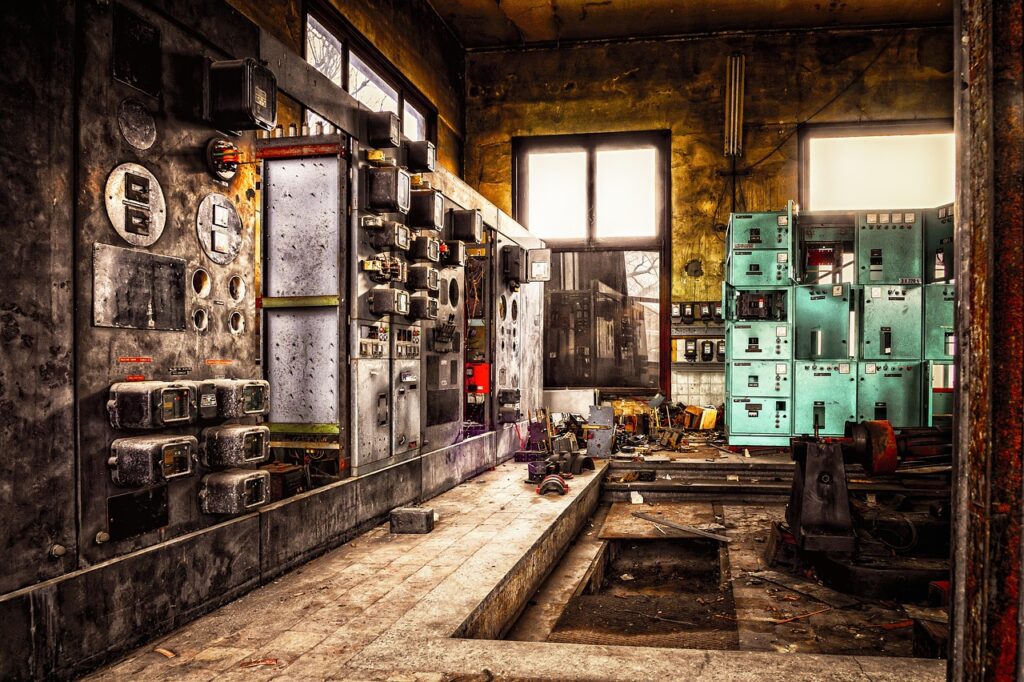
What factory quality control means for importers
Factory quality control is the system importers use to confirm that goods meet agreed requirements before they leave the supplier. It is not just a final inspection at the end of production. A workable system starts with clear specifications, checks production risks early, verifies finished goods against objective criteria, and records the evidence needed for shipment release.
For importers, the main purpose is straightforward: identify critical problems while the goods are still at the factory. At that stage, rework, replacement, sorting, or cancellation is usually more practical than dealing with defects after export. You can also explore more in quality.

This matters because international trade puts distance between the buyer and the production floor. Language gaps, subcontracting, material substitutions, packaging changes, and rushed schedules can all create differences between what was ordered and what is produced. A strong control process gives the buyer and supplier a shared basis for deciding what is acceptable, what must be corrected, and what evidence is required before balance payment or shipment approval.
For more articles on sourcing standards, inspection planning, and trade quality topics, visit the quality section.
Start with requirements that can be inspected
Many quality disputes start before production begins. A buyer may ask for “good quality,” “export standard,” or “same as sample,” while the factory interprets those phrases according to its own normal practice. Factory quality control is stronger when requirements are written in a way that an inspector can verify.
A useful product specification normally includes materials, dimensions, tolerances, color references, performance tests, workmanship limits, labeling, packaging, barcode rules, carton marks, regulatory marks, and document requirements. If the product must meet a standard, regulation, or buyer test method, the exact version or test condition should be named. If the order is based on an approved sample, the sample should be identified, sealed when practical, and linked to the purchase order.
Importers should separate requirements into three levels. Critical requirements relate to safety, legality, product function, or shipment acceptance. Major requirements affect usability, appearance, assembly, or customer satisfaction. Minor requirements are small deviations that do not normally affect saleability but still need limits. This structure helps the factory, inspector, and buyer classify defects consistently.
- Clear requirement: Outer carton must pass a defined drop test and show no product damage after testing.
- Weak requirement: Packaging must be strong enough.
- Clear requirement: Product width must be 120 mm plus or minus 1 mm.
- Weak requirement: Size should be correct.
The more objective the specification is, the less the final inspection depends on opinion. It also becomes easier to track repeated issues across suppliers, product lines, and production lots.
Use a control plan instead of relying only on final inspection
A final random inspection is useful, but it cannot replace process control. If a defect is built into thousands of units early in production, the final inspection may reveal the problem too late for an easy solution. A control plan reduces this risk by defining what must be checked, when it must be checked, who checks it, and what happens if results fall outside the agreed limit.
For import orders, a basic control plan can be built around five checkpoints:
- Pre-production review: Confirm drawings, samples, materials, packaging artwork, production schedule, and special customer requirements.
- Incoming material check: Verify key raw materials, components, labels, and packaging before they are used.
- First article or pilot run check: Inspect the first finished units before mass production continues.
- During production inspection: Check units while production is still active, especially for high-volume or first-time orders.
- Pre-shipment inspection: Inspect finished and packed goods before release.
This approach reflects a common quality management principle: controls should be placed where they can prevent or detect problems in time to act. ISO 9001 describes quality management in terms of processes, documented information, conformity, and improvement. For importers, this does not mean every supplier must hold a certificate. It does mean buyers benefit from viewing quality as a process rather than treating inspection as a one-time event.
The control plan should be proportionate to the product and the order. A simple promotional item may need a concise checklist and final inspection. A regulated, safety-sensitive, or mechanically complex product may require supplier qualification, material traceability, laboratory testing, in-process checks, and formal corrective action records.
How sampling and AQL fit into factory quality control
Importers often use acceptance sampling when it is not practical to inspect every unit. The best-known approach in consumer goods sourcing is AQL-based inspection using standards such as ANSI/ASQ Z1.4 or comparable sampling systems. These systems connect lot size, inspection level, sample size, and acceptance limits to support a decision on whether a shipment lot should be accepted or rejected.
AQL does not mean the buyer wants defects. It is a statistical decision tool for lot acceptance. A shipment can pass an AQL inspection and still contain some defects because only a sample is checked. Likewise, a failed inspection does not prove that every unit is bad. It means the sampled result exceeded the agreed acceptance limit and the lot needs a decision, such as sorting, rework, reinspection, concession, or rejection.
| Inspection term | Practical meaning for importers |
|---|---|
| Lot | The batch of goods offered for inspection, usually defined by purchase order, item, factory, and production period. |
| Sample size | The number of units selected and checked from the lot. |
| Critical defect | A defect that may create safety, legal, or serious functional risk; buyers often allow zero critical defects. |
| Major defect | A defect likely to affect use, saleability, assembly, appearance, or customer acceptance. |
| Minor defect | A small deviation that may not affect use but should still be controlled. |
| Acceptance decision | The buyer’s decision after reviewing inspection results, photos, tests, and supplier explanations. |
Sampling works best when the lot is complete, packed, accessible, and not selectively prepared for inspection. Where possible, the inspector should draw cartons from different locations, production dates, and pallet positions. If the factory presents only the best-looking cartons, the result may not represent the shipment.
Importers should also remember that some checks require more than visual inspection. Electrical safety, chemical compliance, food-contact requirements, flammability, durability, and restricted substances may require laboratory testing or certification review. AQL inspection can support these controls, but it should not be used as a substitute for required compliance testing.
Build an inspection checklist that reflects real shipment risk
A checklist turns the purchase order and product specification into inspection actions. It should not be a generic form copied from another product unless the products share the same risks. A strong checklist covers product identity, quantity, workmanship, measurements, function tests, assembly checks, packaging, labeling, carton drop or handling checks, barcode scans, documentation, and photos.
The most useful checklists are built from three sources. First, use the agreed specification and approved sample. Second, review defects found in earlier orders. Third, consider the product’s actual use environment. An outdoor product may need weather resistance checks. A product sold through retail may need packaging appearance and barcode accuracy checks. A product with moving parts may need cycle testing or fit checks. See also: Compliance.
Key items to include
- Purchase order number, item number, factory name, and production status.
- Quantity finished, quantity packed, and quantity available for inspection.
- Material, color, dimensions, weight, finish, and workmanship checks.
- Functional tests based on the product’s intended use.
- Packaging structure, inner packing, carton strength, carton marks, labels, and barcodes.
- Defect classification rules for critical, major, and minor defects.
- Required photos of product, defects, packaging, labels, cartons, and test setup.
- Rules for handling missing documents, incomplete production, or inaccessible goods.
The checklist should also define pass and fail conditions. If a zipper sticks once during a test, is that a major defect or a minor defect? If a printed color is slightly different from the sample, what tolerance is acceptable? Without these rules, the inspection report may describe problems but still leave the buyer without a clear basis for release, rework, or rejection.
Control nonconforming goods with documented decisions
Factory quality control is incomplete without a method for controlling nonconforming goods. Once a defect is found, the supplier should prevent affected units from being mixed with acceptable units. This may require quarantine areas, labels, lot separation, rework instructions, sorting records, and follow-up inspection.
Importers should avoid vague responses such as “factory will improve next time” when the current shipment is still at risk. The immediate question is whether the goods already produced meet the agreed requirements. If they do not, the buyer needs a documented disposition decision.
| Disposition option | When it may be appropriate | Importer caution |
|---|---|---|
| Rework | The defect can be corrected without damaging the product or delaying shipment beyond an acceptable limit. | Require reinspection or clear evidence after rework. |
| Sorting | Defective units can be separated from acceptable units. | Define who sorts, what criteria apply, and how many units were checked. |
| Replacement | The factory can remake defective goods using correct materials and process settings. | Confirm schedule impact and inspect the replacement lot. |
| Concession | The defect is known, limited, and commercially acceptable to the buyer. | Record the concession clearly; do not let it become the new standard. |
| Rejection | The defect affects safety, legality, function, or buyer acceptance beyond the agreed limit. | Link the decision to inspection evidence and purchase terms. |
Regulated sectors apply stricter rules. For example, medical device quality systems include formal controls for nonconforming product and acceptance activities. Even when a product is not in a regulated category, importers can still apply the same discipline: identify the problem, segregate affected goods, decide the disposition, keep records, and verify corrective action when needed.
Connect factory checks with market compliance
Factory inspection and product compliance are related, but they are not the same. A shipment may look well made and still fail a legal requirement if it uses restricted materials, incorrect warnings, missing importer information, or noncompliant labeling. This is especially important for consumer products, electronics, toys, food-contact items, personal protective equipment, construction products, and medical or wellness-related goods.
Importers should identify compliance requirements before placing the order, not after production is complete. Depending on the product and destination market, this may include standards, conformity documents, test reports, certificates, technical files, traceability labels, user instructions, safety warnings, and responsible economic operator information. In the European Union, market surveillance rules place cooperation and information obligations on economic operators. In the United States, product-specific agencies and regulations may apply depending on the category.
The practical point is that factory quality control should include document verification where compliance documents are required. The inspection checklist can confirm label content, model numbers, warnings, packaging claims, and physical markings. It cannot prove every regulatory requirement by itself, but it can detect mismatches between the shipment and the documents.
A practical workflow for import orders
A simple workflow helps importers apply factory quality control consistently across suppliers. The workflow below is suitable for many general merchandise orders, but it should be adjusted for product complexity and regulatory risk.
- Before ordering: Define specifications, compliance requirements, approved samples, packaging rules, defect classifications, and inspection terms.
- Before production: Confirm materials, artwork, tooling, production schedule, subcontracting risks, and first article approval requirements.
- During production: Check early output if the order is large, new, technically complex, or supplied by a new factory.
- Before shipment: Conduct a pre-shipment inspection when goods are mostly or fully complete and packed.
- After inspection: Review the report, defect photos, test results, production status, and supplier response before release.
- After delivery: Compare inspection findings with warehouse or customer feedback and update the checklist for the next order.
This feedback loop is the information gain many importers miss. A single inspection report is useful for one shipment. A record of repeated defects by supplier, product line, material, process, and season is more valuable because it shows where prevention should happen. If carton crushing appears in multiple shipments, the answer may be packaging redesign rather than more final inspections. If color variation appears only after material substitution, the answer may be tighter incoming material control.
Factory quality control is strongest when it is treated as a decision system. It gives the importer enough evidence to release, hold, rework, sort, or reject goods before export. It also gives the factory clearer expectations and fewer opportunities to argue that quality standards were unclear.
Frequently asked questions
Is factory quality control the same as quality assurance?
No. Quality control focuses on checking whether products meet requirements, often through inspections and tests. Quality assurance is broader and focuses on the processes that make consistent quality more likely. Importers usually need both: process controls before and during production, plus inspection evidence before shipment.
Should every shipment be inspected?
Not always. The decision depends on product risk, supplier history, order value, defect history, and market compliance exposure. First orders, high-value goods, safety-sensitive products, and suppliers with repeated issues usually justify stronger inspection. Low-risk repeat orders from stable suppliers may use reduced checks, but that decision should be based on evidence rather than habit.
Can an AQL inspection guarantee zero defects?
No. AQL inspection is based on sampling, so it supports a lot acceptance decision but does not guarantee that every unit is defect-free. If zero-defect performance is required for a critical feature, importers should consider 100 percent inspection for that feature, process validation, automated testing, or a more controlled production method.
What should an importer do after a failed inspection?
The importer should first understand the type, quantity, and seriousness of the defects. Then the buyer can request sorting, rework, replacement, reinspection, concession, or rejection. The decision should be documented and linked to the purchase order, defect classification, photos, and inspection results.
What is the biggest mistake in factory quality control?
The biggest mistake is waiting until the final inspection to define quality. If requirements, samples, tolerances, packaging rules, and defect classifications are unclear, the final report may arrive too late to prevent delay or dispute. Quality control should begin before production starts.