What Payment Accepted Terms Should Importers and Exporters Trust Most?
Why Do Payment Accepted Terms Matter in Import and Export?
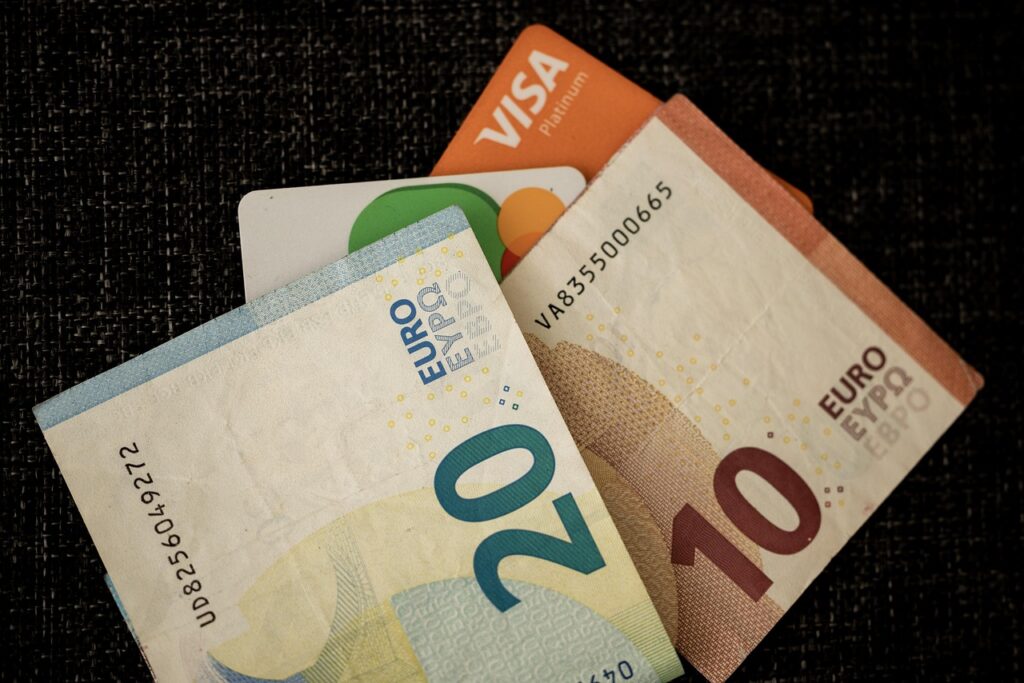
When a buyer asks what payment accepted means for an import order, start with clear payment accepted terms in the proforma invoice, purchase contract, and shipping plan. In cross-border trade, payment is tied to distance, documents, banks, customs, and time zones. A small line such as “balance before shipment” can protect your cash. A loose line such as “pay later” can turn one container into months of chasing.
Payment Terms Shape Cash Flow
You may need to pay suppliers, freight forwarders, inspectors, packaging teams, and sometimes duty deposits before the buyer’s full payment reaches your account. That gap is not a small detail when production and freight are already moving. If you accept 30 percent deposit and 70 percent before shipment, your cash cycle is very different from open account after delivery. The U.S. International Trade Administration Trade Finance Guide explains that payment methods sit on a risk spectrum, from cash in advance to consignment, and each method shifts risk between exporter and importer. Source: U.S. International Trade Administration, Trade Finance Guide, 2022 edition.
Trade Size Makes Small Errors Expensive
A $2,000 sample order can usually handle a slow bank transfer. A $48,000 shipment of spare parts usually cannot, because one delay may hold documents, release, and the next order. The World Trade Organization reported in World Trade Statistics 2025 that world trade in goods and commercial services reached US$34.65 trillion, up 7%. With that kind of volume, payment wording is not just office paperwork. Every exporter and importer needs rules that are clear, repeatable, and easy for a bank clerk to read.
Public Data Shows Financing Pressure
The Asian Development Bank said in January 2026 that the global trade finance gap remained at about US$2.5 trillion in 2025, near 10% of global trade, and that 80% of surveyed banks expected trade finance demand to rise. This tells us what many exporters already see in daily work: buyers ask for longer terms, but sellers still have to fund production, freight, and stock. You need payment accepted terms that fit the buyer’s credit, the product type, and the market. If one of those three points looks weak, the payment term should be tighter.
Which Payment Accepted Methods Fit Your Risk Level?
No single method works for every order. A new buyer in a market with currency controls is not the same as a five-year distributor buying monthly replacement parts. Before agreeing, compare payment safety, buyer comfort, bank cost, document work, and the chance of delay.
Cash in Advance for High Risk Buyers
Cash in advance is the safest choice for the exporter because payment arrives before goods ship. The International Trade Administration notes that this method can remove exporter credit risk, but it is the least attractive option for the buyer. Use it for sample orders, custom-made goods, high-risk buyers, or small shipments where a letter of credit costs too much. A common structure is 100 percent before production for samples, or 30 to 50 percent deposit for custom orders with the balance before loading.
Letter of Credit for Balanced Protection
A letter of credit can protect both sides when the buyer is new or the order value is high. The International Chamber of Commerce UCP 600 rules state that a documentary credit is an irrevocable bank undertaking when the credit says it is subject to UCP 600. In plain trade language, the bank pays if the required documents comply. This works for larger machinery, bulk commodities, or deals where the buyer wants proof of shipment before payment leaves the bank.
Documentary Collection for Trusted Buyers
Documentary collection sits between a letter of credit and open account. Banks exchange shipping documents for payment or for the buyer’s signed promise to pay later, but they do not guarantee payment like an LC bank. The International Trade Administration recommends documentary collections mainly for established relationships in stable markets. It can work when the goods are not highly customized and can be resold if the buyer fails to pay, but that resale plan should be real, not just a comfort sentence in an email.
When Should You Accept Open Account or Consignment?
Buyers like longer terms because they may sell the goods before paying you. Sellers often dislike them because the shipment has gone out before cash comes in. In some sectors, refusing open account can make you look difficult to buy from. The answer is not always no, but there must be control.
Open Account Helps Competitive Sales
Open account means you ship first and get paid later, often after 30, 60, or 90 days. It can help you win buyers in competitive markets, especially when local suppliers already offer credit. The International Trade Administration notes that open account terms may help exporters win customers, but risk should be reduced through tools such as export credit insurance, factoring, working capital finance, or standby letters of credit. Without backup, open account is trust with an invoice attached.
Credit Insurance Can Back Longer Terms
If a buyer wants 60 days after bill of lading date, you can ask for trade credit insurance or a bank standby. Credit insurance does not turn a weak buyer into a safe one, but it can reduce loss if the buyer cannot pay for covered reasons. Always check the insured limit, covered country, claim waiting period, excluded disputes, and document requirements. A buyer who refuses basic credit checks but asks for long terms is already giving you useful information.
Consignment Needs Tight Stock Control
Consignment means payment comes after the overseas distributor sells the goods to end customers. It can support market entry, but it is risky because goods, cash, and sales records sit outside your direct control. Use consignment only with strong partners, serial-number tracking, agreed warehouse reports, and clear return rules. For slow-moving items, fashion goods, or products with short shelf life, consignment can quietly cut margin through storage, damage, and discounting.
How Do Documents Decide Whether Payment Gets Released?
In export payments, documents often matter as much as the goods. Banks, customs brokers, carriers, and insurers read papers before they see cartons. With LCs especially, a good product with poor documents can still lead to delayed payment.
Commercial Invoice and Packing List Accuracy
Your commercial invoice should match the sales contract, product description, currency, unit price, total value, Incoterm, and payment term. The packing list should match carton count, gross weight, net weight, dimensions, marks, and item details. Do not casually change “stainless steel valve” to “metal valve” if the LC or import license uses the first phrase. Small wording gaps can bring bank questions or customs checks.
Bill of Lading Control and Release
The bill of lading controls cargo release for many sea shipments. If payment is due before shipment, do not release original bills or telex release instructions too early. If payment is against documents, make sure the consignee, notify party, ports, vessel, shipment date, and freight terms match the contract. For air freight, cargo moves faster, so payment timing must be tighter. Air cargo can arrive before the bank has even finished checking the transfer.
Letter of Credit Document Matching
UCP 600 says banks deal with documents, not with goods, services, or performance. It also requires a complying presentation for payment. This means your invoice, transport document, insurance document, certificate of origin, inspection certificate, and any other required paper must not conflict. Before production ends, make a document checklist from the LC. Do not wait until the container gate-in date to find out that the LC asks for a chamber of commerce stamp you never planned to get. See also: Compliance.
How Should Incoterms Affect Payment Accepted Choices?
Payment terms and Incoterms should work together. If they do not, one side carries more risk than expected. The ICC Incoterms 2020 rules cover 11 trade terms and help allocate buyer and seller responsibilities for delivery, cost, and risk. They do not replace payment terms, but they affect when payment should happen.
Risk Transfer Must Match Payment Timing
If you sell FOB, risk normally transfers when goods are loaded on board at the named port. If your payment says 70 percent after arrival at destination, you may carry credit risk long after shipping risk has moved to the buyer. If you sell DDP, you may carry cost and duty risk much longer, so asking for a higher deposit is reasonable. Match the payment trigger to the point where your commercial exposure changes.
Freight and Insurance Costs Change Exposure
Under CIF or CIP, the seller arranges insurance, but the details still matter. A buyer may think “insured” means every problem is covered, while the policy may have limits, deductibles, or exclusions. If your price includes freight and insurance, collect enough deposit to cover those cash costs before booking space. Freight markets can move fast, and a quote that looked fine last Tuesday may look wrong two weeks later.
Customs Duty Can Delay Cash Collection
For delivered terms, customs clearance can delay final payment if the buyer links payment to delivery. Be clear about who provides import licenses, product certificates, HS code support, and duty payment. The ICC guidance on Incoterms 2020 stresses the role of agreed places and responsibility points. In daily trade work, this means you should not let a customs issue in the buyer’s country become your unpaid receivable without written rules.
How Can You Write Payment Terms That Banks and Buyers Accept?
Good payment wording is short, but it still needs enough detail. It tells the buyer how much to pay, when to pay, where to pay, and what happens before documents or goods are released. It also gives banks enough information to process transfers without a long email chain.
Clear Currency and Bank Charge Rules
State the currency, beneficiary name, bank account, SWIFT or routing details, and who pays bank charges. For example, write “All bank charges outside the seller’s bank are for the buyer’s account” if that is your rule. The Financial Stability Board’s G20 cross-border payments targets call for faster, cheaper, and more transparent cross-border payments by end-2027, including a target that 75% of wholesale payments be credited within one hour. Until that is normal in more markets, allow realistic transfer time in your payment accepted terms.
Simple Milestones for Deposits and Balance
Use payment milestones that match real trade events. Common examples include 30% deposit before production and 70% before shipment, 50% before production and 50% against inspection report, or LC at sight before production starts. Avoid unclear triggers like “pay when ready” or “pay after documents are done.” Better wording is “balance payable within three banking days after copy bill of lading and commercial invoice are sent.”
Compliance Checks Before Shipment
Payment can be delayed by sanctions screening, missing tax data, wrong beneficiary names, or unusual routing. Ask buyers to pay from the contracted company account when possible. If a third party pays, record it in writing and check whether your bank accepts it. Also keep the proforma invoice number on the transfer instruction. This small habit helps the finance team connect money to the right order without guessing.
FAQ
Q1: What Does Payment Accepted Mean in International Trade? A: It means the seller has stated which payment methods and terms are allowed for an order, such as advance payment, letter of credit, documentary collection, or open account.
Q2: Is Cash in Advance Always the Best Payment Accepted Term? A: It is safest for the exporter, but not always best for sales. Strong buyers may choose another supplier if your only term is full advance payment.
Q3: When Should You Use a Letter of Credit? A: Use an LC for higher-value orders, new buyers, extended terms, or markets where you want bank-backed document control before payment is released.
Q4: Can You Accept Open Account Safely? A: Yes, but only with credit checks, approved limits, written terms, and risk tools such as credit insurance, factoring, or a standby letter of credit.
Q5: Do Incoterms Decide the Payment Method? A: No. Incoterms set delivery, cost, and risk responsibilities. Payment terms must be written separately, but they should match the Incoterm and shipment plan.