How Does the Credit Card Payment Process Work in Import and Export Trade?
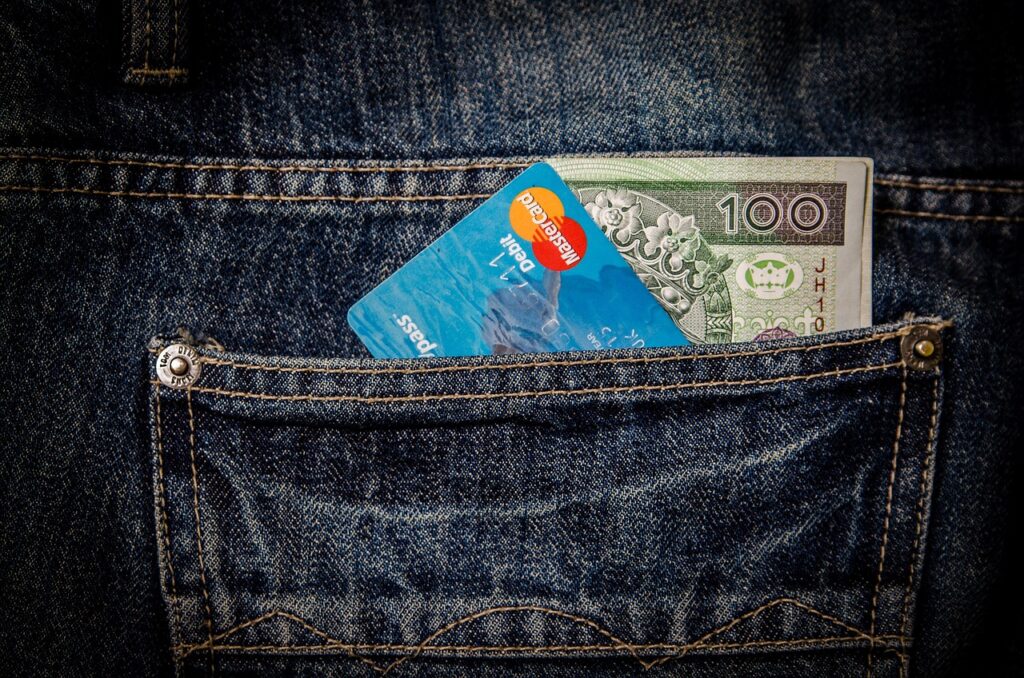
For an importer or exporter, the credit card payment process is not only a checkout button. It affects when you release goods, how you prove the sale, what fees you pay, and what you do if the buyer disputes the charge later. For more trade payment basics, see the Payment section.
Card payments do not fit every shipment. A container order with custom production may still need wire transfer, documentary collection, or a letter of credit. For samples, spare parts, small repeat orders, tooling deposits, urgent air shipments, and buyer-paid freight, cards can help the order move sooner. The small details matter here, because one missing delivery record can turn a normal order into a long dispute.
Why Does the Credit Card Payment Process Matter in Import and Export Trade?
In global trade, speed and trust often work against each other. Your buyer wants quick confirmation, while you want payment that will not disappear after goods leave the warehouse. A well-run card payment setup helps both sides move with fewer delays.
Fast Buyer Commitment
A card payment gives the buyer a known way to commit without waiting for bank wires, beneficiary checks, or manual remittance advice. For a USD 800 sample order or a USD 2,400 replacement parts shipment, that speed can save several days. It also reduces small unpaid invoices that stay in accounting because the buyer has not sent proof of payment.
Card Use Is Already Mainstream
The payment numbers point the same way. The Federal Reserve Payments Study, released in November 2024 and last updated in March 2025, reported 153.3 billion general-purpose card payments in the United States during 2022, worth USD 9.76 trillion. From 2021 to 2022, that payment volume grew 6.0% by number and 10.5% by value. This does not mean every export order should use a card, but it does explain why many buyers now expect card acceptance.
A Better Fit for Smaller Trade Orders
The Federal Reserve Bank of Atlanta noted in November 2024 that business credit card payments in 2022 averaged USD 259, compared with USD 78 for consumer credit card payments. That average is still much lower than many bulk import invoices. In trade, cards usually fit low-to-mid ticket orders, freight charges, samples, and repeat purchases. They are not usually the right tool for a full custom production run worth USD 50,000.
What Happens During the Credit Card Payment Process?
A clean process has several steps. Some steps take seconds, while others happen after capture and settlement. If you sell across borders, you should know where your money is at each stage. A successful checkout page is not the same as settled funds in your account.
Checkout and Card Data Entry
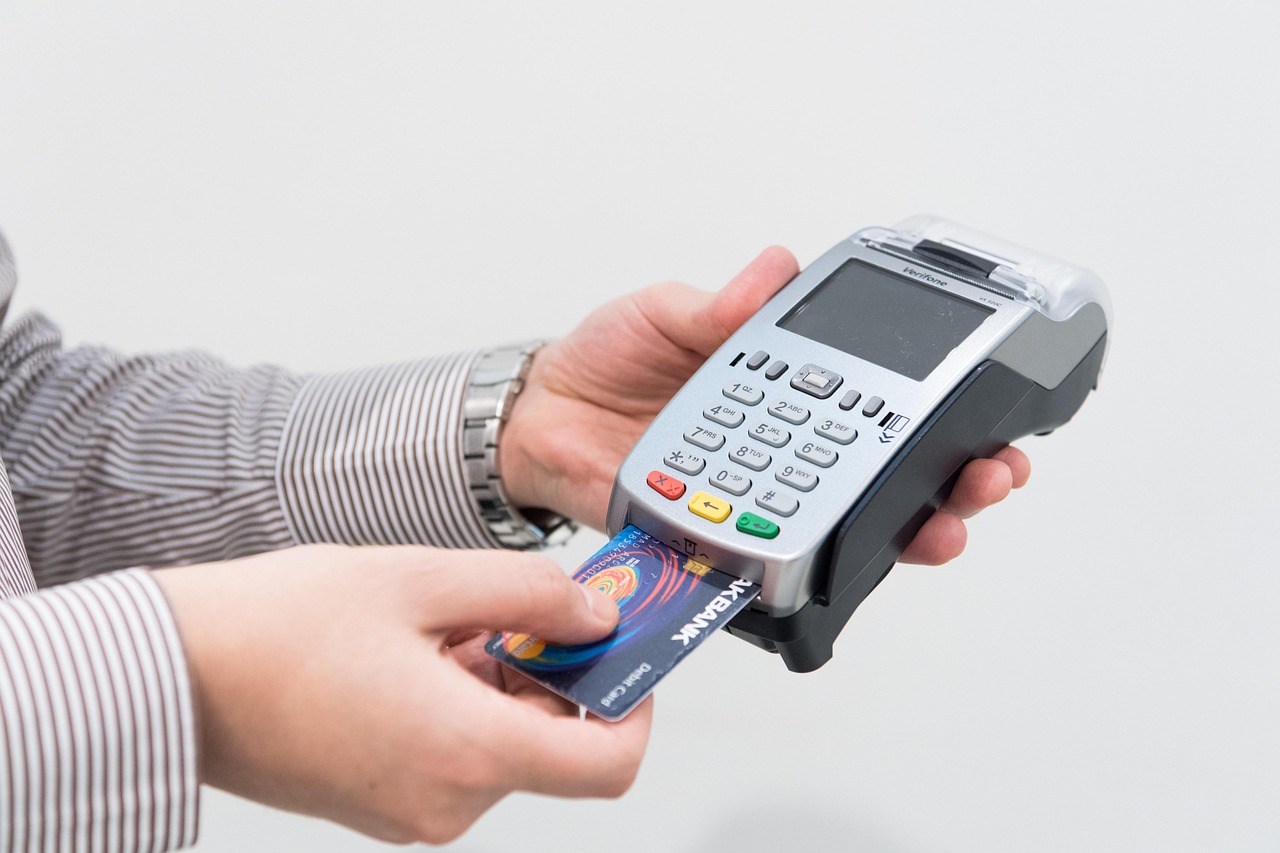
The buyer enters card details on a hosted payment page, an invoice payment link, or a checkout form. In most cases, a hosted page or embedded secure field from the payment gateway is safer, because your website does not need to store raw card data. The gateway changes sensitive card data into a token. That token is safer for later refunds or repeat billing.
Authorization and Fraud Screening
Authorization asks the card issuer whether the card is valid and whether funds or credit are available. At the same time, the processor or gateway may check country, IP address, billing address, card security code, velocity, and buyer behavior. Visa’s public 3-D Secure guide says EMV 3-D Secure lets merchants and issuers exchange data before authorization to reduce fraud and improve approval decisions. For exporters, this check can be useful when the order is new or the shipping route looks unusual.
Capture, Settlement, and Payout
Authorization is not always the same as receiving funds. Capture tells the processor to finalize the charge. Settlement then moves funds through the card network and acquiring bank to your merchant account, usually after fees are taken out. For exporters, the practical rule is simple: do not treat an approved authorization as a completed payout, especially when goods are costly, customized, or hard to get back.
Who Takes Part in a Card Payment?
A card order looks simple to the buyer, but several parties sit behind it. When something fails, knowing who does what helps you ask the right question. It also saves time, because you avoid bouncing between your bank, gateway, and website developer.
Buyer, Card Issuer, and Card Network
The buyer is the cardholder or the company employee using an authorized corporate card. The issuer is the bank or financial institution that gave the card to that buyer. The card network, such as Visa or Mastercard, routes messages and sets many operating rules. In cross-border trade, issuer risk checks can be tighter when the buyer is in one country, the merchant is in another, and shipment goes to a third address.
Merchant, Acquirer, and Payment Gateway
You are the merchant. Your acquirer or acquiring bank connects your business to the card network and receives funds after settlement. The payment gateway is the technical layer that collects payment data and sends the authorization request. If your descriptor is unclear, the buyer may not recognize the charge. Use a descriptor close to your trading name, not a random holding company name if you can avoid it.
Processor, Risk Tools, and Accounting Records
The processor moves transaction messages between the gateway, acquirer, network, and issuer. Risk tools help flag odd orders, but they do not replace trade judgment. Accounting still needs a clean match between proforma invoice, payment ID, payout ID, shipment, and customer account. A few minutes of matching now can save hours when the buyer asks for a VAT note, refund, or duplicate receipt months later.
How Can You Reduce Risk Before You Ship?
Most card losses are not caused by the payment button itself. They come from unclear terms, weak buyer checks, rushed shipping, and poor proof after delivery. A simple pre-shipment routine can remove many of these problems.
Clear Proforma Invoice Terms
Your proforma invoice should state product name, model, quantity, currency, Incoterms, lead time, shipping method, refund rules, and who pays bank or card fees if local rules allow it. If the order is custom-made, write that clearly. Do not hide it in tiny text. A buyer who sees clear terms before paying is less likely to claim later that the order was not as described.
3-D Secure for Online Orders
Use 3-D Secure for first-time buyers, higher-value orders, unusual shipping locations, and card-not-present transactions when your gateway supports it. It may add one more step, but it can help the issuer verify the buyer before approval. For trade sellers, that extra check is often worth using on orders that leave the country fast. No one likes holding a shipment, but losing both goods and money is worse.
Address, Delivery, and Buyer Checks
Check whether the billing country, delivery country, email domain, buyer company name, and phone number make sense together. Address verification does not work the same way in every country, so one mismatch should not be treated as automatic fraud. For higher-risk cases, ask for a purchase order, company email confirmation, or signed card authorization. Keep tracking and proof of delivery with the order file.
What Fees, Timing, and Currency Issues Should You Expect?
Card payments feel quick at checkout, but the money trail still includes pricing, foreign exchange, reserves, refunds, and settlement schedules. These points matter when your gross margin is thin. That is common in trading businesses, so check them before you quote the buyer. See also: Compliance.
Processing Fees and Cross-Border Costs
There is no single public fee that applies to all merchants, countries, card types, and risk categories. Your real price depends on your acquirer, merchant category, domestic or international card mix, card brand, chargeback history, and monthly volume. Ask for a written fee table that separates transaction fee, percentage fee, cross-border fee, currency conversion, refund fee, dispute fee, rolling reserve, and payout fee. If the table is not clear, ask again before you start taking large orders by card.
Settlement Time and Cash Planning
Many processors pay out on a regular schedule, not right after authorization. New merchants, high-risk categories, and cross-border sellers may face delayed payouts or reserves. Plan working capital around the payout date, not the payment date. If raw material must be bought before production, a card authorization alone may not be enough. For larger orders, request a captured deposit and confirm payout rules before procurement.
Currency and Buyer Expectations
If you charge in USD but the buyer’s card is billed in another currency, the issuer may add conversion costs. Tell the buyer the charge currency before payment. The Federal Reserve Payments Study reported that cross-border payments with cards issued in the United States reached 7.5 billion transactions and USD 0.47 trillion in 2022, up from 1.4 billion and USD 0.14 trillion in 2018. Cross-border card use is common, but FX surprises still lead to complaints.
How Should You Handle Chargebacks and Payment Records?
A chargeback is not just an unhappy email from a buyer. It is a formal card dispute handled through issuer, network, acquirer, and processor rules. Your best defense is ready evidence, sent on time, in the format your acquirer asks for.
Evidence That Matches the Order
Keep a compact evidence pack for each card order: invoice, buyer approval, payment receipt, product photos if relevant, packing list, airway bill or bill of lading, tracking record, delivery proof, signed receipt if available, and refund policy shown before payment. The Mastercard Chargeback Guide Merchant Edition dated May 13, 2025 states that incomplete, unrelated, or illegible supporting documents can cause problems in the dispute process. In plain words, messy proof weakens your case. The evidence should match the invoice and the shipment, not just show that something was sent.
Fast Response to Dispute Deadlines
Dispute windows vary by network, reason code, and acquirer process. Do not rely on a general number found online. Your processor dashboard should show the deadline. Respond early, because acquirers may need time to review and submit your documents. If the buyer claims non-receipt, delivery proof matters. If the buyer claims product mismatch, photos, specifications, and pre-payment approval matter more.
A Practical Document Folder
Create one folder per card order. Name files clearly, such as invoice, authorization, buyer email, packing list, tracking, and delivery proof. This sounds boring, but it works. If a dispute arrives four months later, the person handling it may not be the salesperson who closed the deal. Clean records let anyone rebuild the order history quickly.
When Is a Credit Card Better Than Wire Transfer or Letter of Credit?
Cards are useful, but they are not a cure for every trade payment problem. The right method depends on order size, buyer history, product type, lead time, and how painful a reversal would be. A small spare part order and a custom machinery order should not use the same payment rule.
Best Cases for Card Payments
Use cards for sample fees, catalog items, replacement parts, inspection fees, express freight, small repeat orders, and deposits where the risk is controlled. The World Bank Global Findex 2021 database reported that 20% of adults in developing economies, excluding China, made a merchant payment using a card, mobile phone, or the internet, and about 40% did so for the first time after the pandemic began. More buyers are now used to digital payment habits, even in markets that once depended more on cash or bank counters. That does not remove risk, but it does make card payment easier to discuss during quotation.
Cases Where Wire Transfer Wins
Wire transfer is often better for high-value orders, custom molds, machinery, bulk raw materials, or production that cannot be resold easily. A letter of credit may fit when both sides need bank-backed document control. Cards also become less attractive when the fee takes too much margin. They can also create problems when the buyer’s issuer is likely to block an unusual overseas transaction.
Mixed Payment Terms for Trade Orders
Many exporters use mixed terms. A buyer may pay a small sample by card, then send a wire transfer for the bulk order. Another common pattern is card payment for an urgent spare part and wire transfer for later monthly shipments. Set internal thresholds, such as card allowed below a set amount and management approval above it. Keep the rule simple enough for sales staff to follow during a busy working day.
FAQ
Q1: What Is the Main Step in the Credit Card Payment Process? A: The key steps are checkout, authorization, fraud screening, capture, settlement, and payout. Authorization approves the transaction, while settlement moves money toward your merchant account.
Q2: Can an Exporter Ship Goods After Authorization? A: It is safer to wait until the payment is captured and your processor shows a stable transaction status. For costly or custom goods, check payout and reserve rules too.
Q3: Is 3-D Secure Always Needed for Trade Orders? A: Not always, but it is useful for first-time buyers, higher-value online orders, and risky shipping patterns. It adds a buyer authentication layer before approval.
Q4: Why Do Card Fees Differ So Much? A: Fees vary by country, card type, network, merchant category, cross-border status, currency conversion, risk level, and processor pricing. Ask your acquirer for an itemized fee schedule.
Q5: What Records Should You Keep for a Card Payment? A: Keep the invoice, payment receipt, buyer approval, terms, packing list, tracking number, delivery proof, and all refund or dispute messages. Clear records make chargeback replies much stronger.