Is DHL Paying Customs Better Than Letting the Receiver Pay?
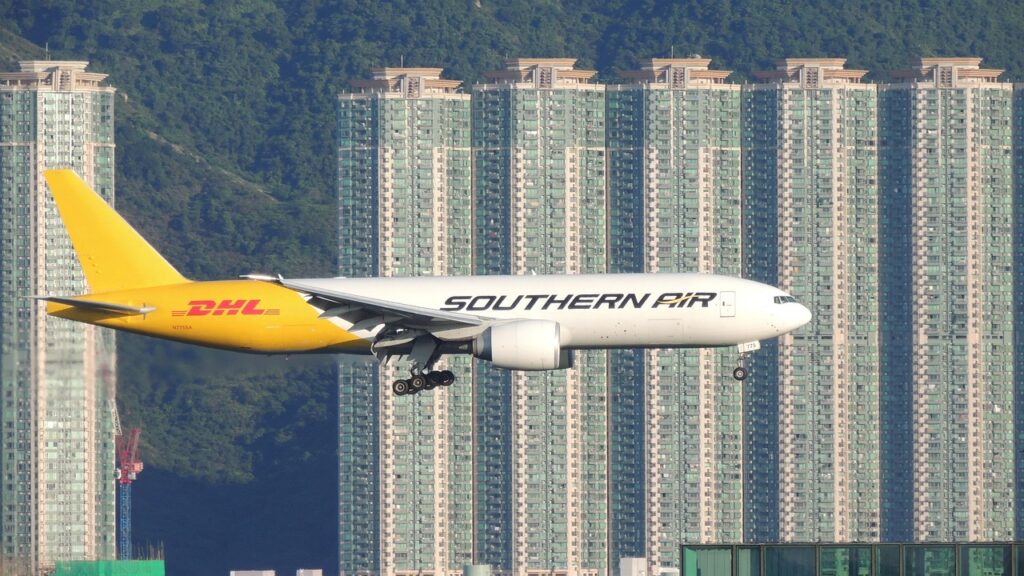
DHL paying customs sounds simple, but in import and export trade it can point to a few different billing arrangements. If you ship by DHL Express, DHL may pay duties, taxes, and some regulatory charges to the destination customs authority first, then collect the amount from the receiver, the shipper, or an approved third party. For more practical customs topics, visit the Customs section.
The main thing to remember is clear: DHL is usually not making the duty. Customs authorities assess the duty from the product type, country of origin, declared value, and local rules. DHL is normally the carrier and clearance party that helps the shipment pass the border. This point matters when a buyer says, “Why is DHL charging me again?” According to DHL Express U.S. guidance, duties and taxes are typically the receiver’s responsibility, while DHL may pay the authority on import and then charge the responsible party. (dhl.com)
What Does DHL Paying Customs Actually Mean?
When people say DHL is paying customs, they are usually talking about an advance payment, not a free service. DHL can move shipments quickly because it has clearance systems, customs brokerage processes, and payment arrangements in place. Still, someone must pay back the duties, taxes, and service charges linked to that shipment.
DHL Advances Money to Customs
In many destinations, DHL pays duties and taxes to customs before final delivery. This keeps the parcel from waiting in a warehouse while the importer looks for a way to pay.
For a time-sensitive sample, a spare machine part, or a small e-commerce order, this can save useful time. The buyer receives a payment notice, pays online or at delivery, and the courier releases the goods.
The Receiver Usually Pays
For many international shipments, the receiver is the importer and pays import charges. This is common when you sell on terms similar to DAP, where the seller handles transport to the destination place and the buyer handles import duty and tax.
The buyer may not be happy with the bill, but that does not always mean DHL made an error. If the sales terms say import costs are on the buyer, the receiver bill is expected.
The Shipper Can Prepay Under DTP
A shipper can choose a duty tax paid setup, often called DTP in DHL billing language. In that case, DHL charges duties, taxes, and related DHL customs charges back to the shipper.
This can make the buying process smoother, especially for online sales where buyers dislike paying at the door. The risk is also clear: you need enough margin in the product price to cover import costs that may change by country and product.
Who Should Pay DHL Customs in Export Trade?
The right payer depends on your sales promise, your Incoterms, and the type of customer you serve. A factory sending B2B samples may use one rule, while a cross-border store selling gifts to U.S. households may use another. Do not hide this point in a small footer. Put it close to the checkout, quotation, or proforma invoice.
Receiver Pays for DAP and Similar Sales
If your quotation says the buyer pays import duties and taxes, the receiver should expect a DHL request before delivery. This is often a practical setup for B2B trade because tariff rates change by destination and product classification.
A U.S. distributor importing replacement sensors, for example, may already have an EIN, broker contacts, and a normal process for duty bills. In that case, receiver-paid customs is not unusual.
Shipper Pays for DDP Offers
If you advertise “landed price” or “no customs bill at the door,” you are getting close to a DDP style offer. That can help retail buyers because the total cost is easier for them to understand.
Even so, DDP is not just a sales phrase. You need the correct HS code, origin, value, importer setup, and a margin cushion, because extra duties will come back to you if the product is assessed higher than expected.
Third Party Billing Needs Written Setup
Some shipments use a third party, such as a distributor, buying office, or parent company. This can work, but it needs a DHL account arrangement and clear written approval before the shipment moves.
If the third party account fails or refuses the charge, delivery can stop. In daily operations, one wrong billing account number can take more time to fix than the customs review itself.
What Charges Can Appear on a DHL Customs Bill?
A DHL customs bill may include both government charges and DHL service charges. That is why the final amount can look higher than a buyer expected. You may see duty, import tax, regulatory fees, clearance service fees, or duty tax processing. Check the line items before arguing about the total.
Government Duties and Import Taxes
Government duty is based on the goods, origin, customs value, and duty rate. Import tax may also apply, such as VAT, GST, or local sales tax in some markets.
The WTO Customs Valuation Agreement uses transaction value as the main basis for customs value. In plain terms, that means the price paid or payable for goods sold for export, with required adjustments where applicable. (wto.org)
DHL Duty Tax Processing
DHL may charge a duty tax processing fee when it advances or processes import duties, taxes, or regulatory charges. DHL Express U.S. lists Duty Tax Processing for 2026 at 17.50 USD per shipment or 2% of the fiscal charge, whichever is higher.
The same DHL U.S. page also lists examples such as a 15.00 USD clearance processing fee and a 1.34 USD regulatory charge where CBP applies an express consignment fee. These are separate from the government duty amount. (dhl.com)
Regulatory and Clearance Service Charges
Some goods need extra handling by other government agencies. Food, cosmetics, medical items, animal products, plant materials, batteries, and branded goods can trigger checks or paperwork.
DHL may charge for non-routine entries, permits, inspections, post-clearance changes, or broker notification. A low-value product can still create a high bill if the commodity falls into a controlled category.
How Do Customs Rules Affect Small U.S. Shipments?
For U.S.-bound shipments, the old idea that “under 800 dollars should be duty free” is no longer safe in 2026. Small parcels can still need entry data, duty calculation, and payment. This changes the cost picture for sellers that used to ship low-value orders with little customs planning.
De Minimis Treatment Changed in 2026
CBP’s June 24, 2026 interim final rule implemented an indefinite suspension of the de minimis administrative exemption for merchandise valued at 800 USD or less arriving by all modes other than the international postal network. This means many small shipments can no longer be treated the way sellers were used to treating them.
The rule says those goods must use formal or informal entry procedures, and CBP also published a separate concurrent rule for postal shipments. Sellers shipping to the United States should read this point before quoting low-value orders. (regulations.justia.com) See also: Compliance.
Informal Entry Still Needs Accurate Data
Lower-value goods may use informal entry, but “informal” does not mean casual. You still need a proper commercial invoice, true value, product description, country of origin, and HS code.
A vague line like “accessory” can slow a shipment because customs cannot tell what the item is. It could be a phone case, a metal bracket, or a restricted part, and each one may be handled differently.
Formal Entry May Need Tax ID Details
DHL Express U.S. explains that CBP must approve imports into the United States and may require entry summary documentation. For formal entry, usually goods valued over 2,500 USD or goods subject to government control, DHL may need to complete Customs Form 5106.
That form is used to file the Ultimate Consignee’s IRS number, such as an EIN for a business or SSN for an individual. If the consignee does not provide the detail quickly, clearance can slow down. (dhl.com)
How Can You Reduce DHL Customs Problems Before Shipping?
Most customs trouble starts before pickup. It often starts with a weak product description, a copied HS code, a low declared value, or a buyer who never saw the duty terms. The paperwork may feel boring, but it is where you avoid cost. A parcel stuck in Cincinnati on a Friday afternoon is much worse.
Accurate Commercial Invoice
Your commercial invoice should match the real sale. Include seller and buyer details, product description, quantity, unit price, currency, country of origin, Incoterms, and reason for export.
If the goods are samples, state a fair market value instead of zero. DHL notes that missing or incomplete documents, undervaluation, incorrect HS codes, and late payment can all cause customs delays.
Correct HS Code and Origin
The HS code drives the duty rate, and origin can change the duty result. Two products that look similar on a shelf may still fall under different tariff lines.
A cotton T-shirt, polyester jacket, and leather wallet should not be grouped under one general “clothing and accessories” description. If you are not sure, check official tariff tools or ask a licensed customs broker.
Clear Buyer Terms Before Checkout
Tell buyers whether duties and taxes are prepaid or collected on delivery. Use plain wording such as “Import duties, taxes, and DHL customs charges are paid by the receiver” or “Duties and taxes are included in your checkout price where supported.”
Put the same message on the invoice and order confirmation. A customer may miss one note, but three matching notes are harder to miss and easier to defend later.
What Should You Do When DHL Asks for Payment?
A DHL payment request is not always a problem. It may only mean customs has assessed the shipment and DHL needs payment before release. Check the details quickly, because late payment can delay delivery. If something looks wrong, gather proof before you dispute it.
Check the Shipment and Seller Terms
Start with the waybill number, sender name, goods description, and amount due. Then compare the payment request with your order terms.
If the seller promised DDP or “tax included,” ask the seller to confirm whether they selected the shipper-paid option. If the sale was DAP or duties unpaid, the receiver bill is usually normal.
Download the Duty Calculation
Use DHL’s official payment channel or account portal to view the duty calculation and documents. Check declared value, currency, origin, HS code, and each charge line.
If the product value was 120 USD but the customs value shows 1,200 USD, that is likely a document issue. It should be raised quickly before the shipment sits too long.
Dispute Errors With Evidence
If the charge is wrong, prepare the commercial invoice, proof of payment, product page, order confirmation, and any written Incoterms. A short and factual dispute usually works better than an angry message.
Say what is wrong, show the correct data, and ask whether the entry can be corrected. Some charges may not be refundable if they were valid service fees, even when the duty amount later changes.
FAQ
Q1: Does DHL Paying Customs Mean DHL Covers My Duty? A: No. It usually means DHL advances or processes the customs payment, then collects it from the receiver, shipper, or approved billing party.
Q2: Can the Shipper Pay DHL Customs Instead of the Buyer? A: Yes. The shipper can choose a duty tax paid billing setup if their DHL account and shipment options support it.
Q3: Why Did DHL Charge Me When the Seller Said Shipping Was Free? A: Free shipping normally refers to freight cost, not import duties, taxes, customs processing, or regulatory charges.
Q4: Can a Low-Value U.S. Shipment Still Get a Customs Bill? A: Yes. As of July 2026, U.S. low-value shipments may still need entry procedures and can be subject to applicable duties, taxes, and fees.
Q5: How Can You Avoid Buyer Complaints About DHL Customs? A: State the duty payer clearly before checkout, use accurate invoice data, choose the right billing option, and keep records ready for any dispute.