Can Customs & Duties Make or Break Your Import Deal?
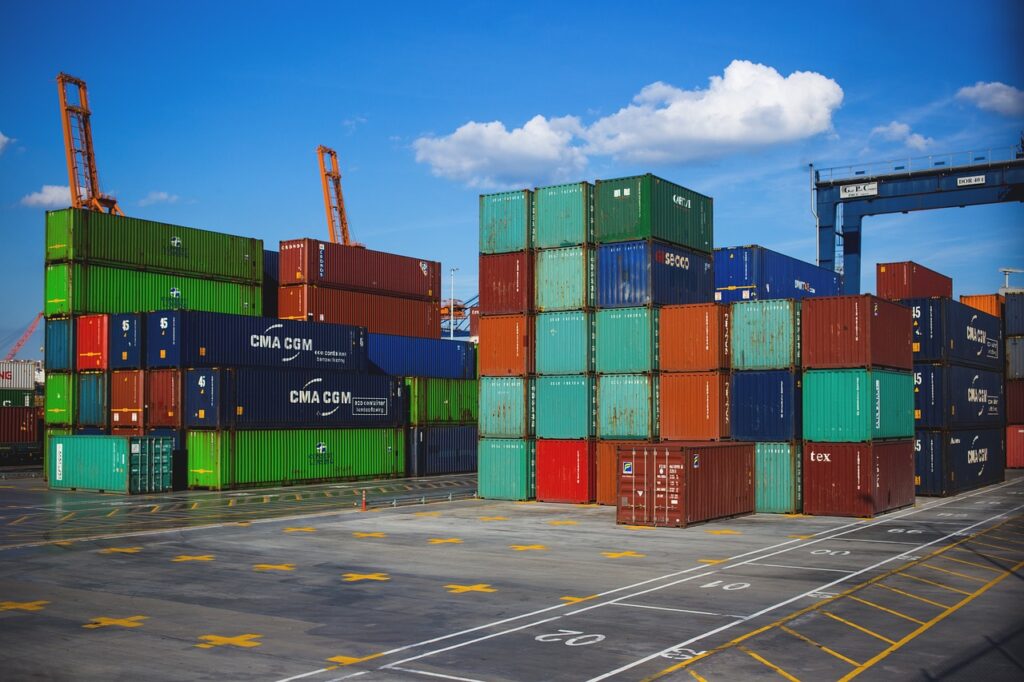
Why Do Customs & Duties Matter before You Ship?
Customs & duties are more than a broker invoice line. They affect landed cost, selling price, and sometimes the delivery date promised to the customer. The WTO World Tariff Profiles 2024 covers more than 170 countries and customs territories, and its tables show both bound tariff commitments and the rates applied at import. For importers, that gap is a plain warning: a duty rate should be checked like any other cost, not guessed from an old shipment. (wto.org)
Your Landed Cost Starts before the Purchase Order
If duty is checked only after the goods arrive, you have little room left. The supplier has been paid, the freight has moved, and the customer may already be waiting. A workable landed cost sheet should include product cost, international freight, insurance if used, duty, tax, port charges, broker fees, and local delivery. This is basic work, but many losses start when a buyer compares factory prices only.
A Small Rate Gap Can Move the Margin
A duty gap does not need to look large to hurt the order. On an $18,000 shipment, a 5% duty is $900, while a 12% duty is $2,160. That $1,260 difference can take away a distributor margin, especially on low-priced consumer goods, spare parts, packaging, or seasonal stock. The calculation is not exciting, but this is where a lot of import profit disappears.
Delayed Clearance Can Cost More than Duty
Duty is paid once, but delay costs can run day after day. Storage, demurrage, missed retail windows, production stoppages, and customer penalties can all follow one weak declaration. The World Bank Logistics Performance Index 2023 uses customs clearance efficiency, including speed, simplicity, and predictability of border formalities, as one of its core logistics measures. In simple trade terms, customs process quality affects delivery speed as well as tax collection. (lpi.worldbank.org)
How Do HS Codes Shape the Duty Bill?
The HS code is the starting point for most duty checks. It tells customs what the item is, and the tariff schedule then links that classification to duty rates, controls, quotas, or special measures. A product name on an invoice is rarely enough. “Bracket,” “adapter,” or “cover” can sit in very different places under tariff rules.
Six Digits Create the Global Starting Point
The Harmonized System, developed by the World Customs Organization, gives traded goods a shared six-digit classification base. The WCO says the system is used by more than 200 countries and economies as a basis for customs tariffs and trade statistics. Those six digits do not mean every country charges the same duty rate. They mean the first classification discussion starts from the same basic structure. (wcoomd.org)
National Digits Add Local Detail
After the first six digits, countries add more digits for their own tariff, tax, and statistical needs. The United States, the European Union, China, and many other markets use extended codes. This is why a supplier’s export code can help, but it should not be copied straight into the import entry. Export classification and import classification can end on different final lines.
Product Description Beats Product Name
Good classification starts with facts: material, function, power source, composition, dimensions, end use, and how the item is sold. For textiles, fiber content and knit or woven structure matter. For machinery parts, the machine type and whether the part is solely or principally used with it may matter. A short invoice line such as “plastic accessory” gives the broker too little to work with and can create trouble at clearance.
Which Value Does Customs Use to Calculate Duties?
Many importers think duty is calculated only on the supplier invoice total. Often that is close, but it is not always the full answer. Customs valuation rules can bring in items that are outside the visible unit price. If you provide free molds, design work, parts, or tooling to the factory, those items may affect the dutiable value depending on the destination rules.
Transaction Value Is the Usual Base
In the United States, CBP explains that duty is generally assessed on the price paid or payable for the goods, unless another basis applies, and freight and insurance treatment depends on the valuation rule in use. That is a useful U.S. example, but it is not a global shortcut. Other customs authorities may handle the details differently. The destination country’s rule should be checked before you fix the sales price. (help.cbp.gov)
Assists and Royalties Need Early Review
An “assist” can be something the buyer provides to the seller free or at a reduced cost for production. Tooling, molds, artwork, components, and engineering can fall into this area. Royalties and license fees can also matter if they relate to imported goods and are a condition of sale. These costs are easy to miss because they may be handled by another department, not by the purchasing team.
Freight and Insurance Depend on Local Rules
Some countries use a CIF-style customs value, which can include cost, insurance, and freight. Others may start closer to FOB value for many entries. Do not let the Incoterm alone decide the duty base. The Incoterm tells you who handles cost and risk at different points in the shipment, while customs valuation law tells customs what value to tax.
When Does Country of Origin Change the Rate?
Country of origin can change the duty rate, the paperwork, and even whether the goods can enter. It is not always the country that shipped the cargo. A shipment can leave Vietnam, include Chinese parts, receive processing in Malaysia, and enter the United States or Europe under rules that ask where the item was actually made or substantially transformed.
Origin Rules Are not the Same as Shipping Point
The port of loading is a logistics fact. Origin is a legal and production fact. If a product is only packed, labeled, or sorted in a second country, origin may not change. If it is processed into a new article with a new name, character, or use, origin may change, depending on the market’s rule. The exact test varies, so a casual supplier statement should be backed by records.
Preference Claims Need Proof
Free trade agreements can reduce or remove duty, but only when the goods qualify and the importer has proof. A certificate by itself is not enough if the origin file is weak. You may need bill of materials data, production records, regional value calculations, tariff shift checks, or supplier declarations. If the claim fails later, customs may ask for unpaid duty, interest, and in serious cases, penalties. See also: Compliance.
Extra Duties Need Separate Screening
Normal tariff duty is only one layer of the import cost. Anti-dumping duty, countervailing duty, safeguard measures, retaliatory tariffs, excise taxes, and import licensing rules can apply to specific goods. Metals, chemicals, solar products, furniture, textiles, food, and electronics often need closer checks. A low general duty rate can still lead to a high final import cost if an extra measure applies.
How Can You Control Customs Risk before Booking Cargo?
Risk control does not mean making every shipment slow with paperwork. It means finding weak points before the container moves. A short review before booking can save more money than a long argument after arrival. The buyer, seller, broker, and freight forwarder should each know their role, because customs will not accept “someone else handled it” as a full answer.
Incoterms Allocate Work, not Tax Law
Incoterms can help divide transport cost, delivery risk, and customs tasks between buyer and seller. The International Chamber of Commerce notes that Incoterms rules do not affect tariff rates or customs procedures; they allocate responsibilities in the sales contract. So DDP may shift import work to the seller, while FOB or FCA may place more work on the buyer. Even then, the destination law still controls the duty. (iccwbo.org)
Importer of Record Holds the Filing Risk
The importer of record normally carries the main responsibility for correct entry data. That includes classification, value, origin, quantity, admissibility, and duty payment. A licensed broker can guide the process and submit entries, but the importer still needs records and reasonable internal checks. Keep product sheets, purchase orders, invoices, packing lists, payment records, origin support, and past rulings in one file. It is boring admin until the day it saves a shipment.
Start with a Practical Duty Checklist
Before you approve a shipment, run a short review. The point is not perfect paperwork; it is fewer blind spots while you still have time to fix them.
- Confirm the destination country and final importer of record.
- Match the product description to technical facts, not only a sales name.
- Check the HS code in the import country, not only the export country.
- Review duty, tax, extra trade measures, licenses, and inspection needs.
- Ask whether any free tooling, assists, royalties, or rebates affect value.
- Check origin support before claiming a preference rate.
- Keep written notes showing why the code, value, and origin were chosen.
This small file can also help your team quote faster next time. For repeat products, the first clean review becomes a useful reference. For new products, it gives the broker better facts and reduces back-and-forth emails when the vessel is already close to port.
FAQ
Q1: Are customs duties the same as tariffs? A: In daily trade talk, people often use the words together. A tariff is the rate or schedule set by law, while customs duty is the amount charged on an import entry based on classification, value, origin, and other rules.
Q2: Can a supplier give you the correct HS code? A: A supplier can give a useful starting point, especially for export. Still, the importer should verify the code in the destination country because national tariff lines and duty rates can differ after the six-digit HS level.
Q3: Do Incoterms decide who pays import duty? A: They help allocate contract responsibility, but they do not set tariff rates or replace customs law. The sales contract, importer role, and destination rules should be checked together.
Q4: What documents help support a duty review? A: Product specifications, invoices, packing lists, payment proof, bills of materials, origin statements, freight documents, license information, and broker notes all help. For complex goods, a binding ruling may be worth considering.
Q5: When should you check customs & duties for a new product? A: Check them before you confirm the purchase order or customer quote. Once goods are produced and booked, your choices are limited and any duty surprise becomes harder to fix.