Is 3M REACH Compliance Enough for Your EU Import Documents?
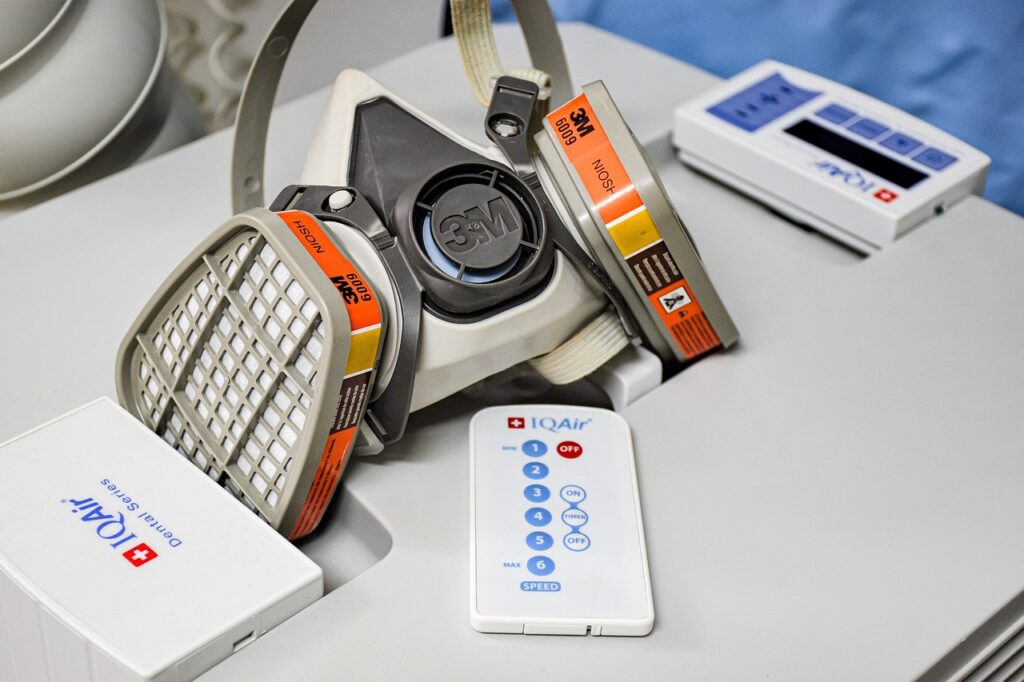
If you trade 3M tapes, abrasives, films, labels, adhesives, PPE, electrical materials, or industrial parts into Europe, 3M REACH compliance is not just a tick on a supplier form. It sits inside the document chain your EU buyer, importer of record, distributor, and sometimes recycler may ask for. For more practical trade-control topics, visit the Compliance section.
REACH is the EU chemicals regulation for Registration, Evaluation, Authorisation and Restriction of Chemicals. It covers substances, mixtures, and many finished articles. In daily trade, the problem often starts when a customer asks, “Does this 3M product contain any SVHC above 0.1%?” The question sounds simple, but the answer can take work. One carton may include a roll of tape, release liner, core, printed label, adhesive layer, packaging film, and spare accessories. Each part can raise its own compliance question.
This guide explains how to handle 3M REACH documents in a normal import process. It uses public source information from ECHA, the European Commission, Eurostat, and 3M pages reviewed in 2026. No private test data is assumed, and no unsupported figures are used.
What Does 3M REACH Compliance Mean for Importers?
When buyers say “3M REACH compliance,” they may be asking for different things. Some need an SVHC declaration for a finished article. Some need an SDS for a chemical product. Others ask for SCIP data because the goods will be placed on the EU market. Before you send files, check the product type and your company’s role in the shipment.
REACH Is Broader Than a Single Certificate
REACH is not one certificate issued once and used forever. The European Commission describes REACH as a system that requires manufacturers and importers to collect information on chemical substances and register certain information with ECHA. For articles, the usual trade question is not registration. It is whether a Candidate List substance is present above 0.1% weight by weight and whether communication duties apply.
3M Documents Support, Not Replace, Your Duty
3M provides tools such as an SVHC search page for articles and SDS search for chemical products. The public 3M SVHC page says its article information reflects 3M’s current knowledge and belief and may rely in whole or part on third-party supplier information. That wording is useful, but it also sets a limit. Your own file should still record the product ID, document date, product description, and the buyer’s requested market.
Your EU Customer May Still Need More
If your company is outside the EU, your EU customer may be the legal importer. ECHA guidance for non-EU companies says non-EU manufacturers should support EU importers by giving data they need to meet REACH duties. In trade work, a clean 3M statement helps a lot. Even so, the EU-side party may still ask for article-level data, a recent declaration, packaging information, or supplier confirmation.
Which REACH Rules Matter Most for 3M Articles?
Most 3M items in industrial trade are bought as usable products, not raw substances. Think of adhesive tapes, respirator parts, films, pads, labels, or electrical insulation products. For these items, the main point is often the SVHC Candidate List and the 0.1% threshold. A small connector, coating, liner, or adhesive can matter if it is treated as a separate article.
The 0.1% SVHC Threshold
ECHA’s Candidate List obligation guidance states that EU suppliers of articles containing Candidate List substances above 0.1% weight by weight must communicate safe-use information. As of ECHA’s 4 February 2026 update, the Candidate List contained 253 entries. That number changes over time. A 2023 declaration can look old to a careful European buyer, even when the product itself has not changed.
Article-Level Thinking
ECHA guidance follows the article-level approach for complex products. If a complex object contains a smaller article that keeps its own shape, surface, or design, that smaller article may need its own SVHC check. This is why a full product declaration can take more time than expected. A 3M tape roll may be sold as one item, but strict buyers may still review the release liner, core, adhesive, backing, and packaging one by one.
The 45-Day Consumer Reply Rule
Under REACH Article 33, consumers can request information on Candidate List substances in articles. Public ECHA guidance says the supplier must provide enough safe-use information, including at least the substance name when the 0.1% threshold is exceeded. The usual deadline is 45 days from receiving the consumer request. For B2B trade, the recipient should receive the relevant information automatically when the duty applies.
How Should You Check 3M Products Before Exporting to the EU?
A practical check does not mean running a lab test every time. It is mostly document control: product match, date match, and risk match. It may feel routine, but routine records often save a shipment when a customs broker or customer compliance team asks for proof late in the week.
Start With the Exact 3M Identifier
Use the exact 3M product name, 3M ID, model, size, color, and revision if available. The 3M SVHC search page recommends searching by product name or number and gives a specific 3M ID format. Do not rely only on a catalog family name. A black tape and a clear tape in the same family can use different pigments, backings, or adhesives.
Separate Articles From Chemical Products
3M’s public SVHC page points users to SDS search for chemical products. This split matters in real orders. A sealant, coating, or cleaner may need SDS handling and mixture review. A roll of tape or a filter component may need article-level SVHC communication. If the buyer asks for a “REACH certificate,” send the right document type instead of a random file package.
Record the Candidate List Date
Add the Candidate List reference date to your compliance file. For example, after ECHA’s 4 February 2026 update, a declaration based on the February 2026 list is clearer than one that only says “REACH compliant.” A short note such as “reviewed against ECHA Candidate List status dated 4 February 2026” helps the buyer see what was checked. It also makes the file easier to review later.
When Do SCIP and Article 33 Apply to 3M Shipments?
SCIP and Article 33 are related, but they are not the same task. Article 33 deals with safe-use information through the supply chain and to consumers on request. SCIP is a database duty for EU suppliers placing certain articles on the EU market. If you ship from outside the EU, your EU customer may still push the request back to you because they need your product data.
SCIP Starts Above the Same 0.1% Trigger
ECHA states that companies supplying articles containing Candidate List SVHCs above 0.1% weight by weight on the EU market have had to submit information to the SCIP database since 5 January 2021. SCIP covers articles and complex objects. The database is designed to make substance information available during the product life cycle. That includes waste handling, so recyclers and downstream users are also part of the reason behind the system.
EU Suppliers File, Non-EU Sellers Support
A non-EU exporter normally does not file SCIP directly unless it has an EU legal role or representative structure. Still, your buyer may need article name, primary article identifier, material category, substance name, concentration range, and safe-use information. If you wait until the goods are packed, the work becomes slow and messy. Ask about SCIP needs during quotation, especially for electronics, automotive, industrial safety, and technical films. See also: Customs.
Article 33 Can Apply Even Without SCIP Filing
Do not treat SCIP as the only job. Article 33 communication can apply when an article contains an SVHC above 0.1%. ECHA’s public Candidate List obligation page links Candidate List inclusion to immediate duties under REACH Articles 7, 31, and 33. This means a shipment can need customer communication even when annual tonnage is low or the SCIP filing sits with another company.
What Documents Should Be in Your 3M REACH File?
A good file does not need to be huge. It needs to be clear. Most buyers want quick answers: what product, what list date, what result, who issued the statement, and what changed. When those pieces are ready, the commercial discussion stays much easier.
Product Match Evidence
Keep the invoice product name, 3M ID, buyer SKU, and any photos or labels that confirm the match. If your quotation uses an internal SKU, map it to the 3M item. This prevents a common problem: the compliance document covers “tape 1234,” but the shipped item is “tape 1234B.” When that happens, the buyer may reject the file even if the material looks almost the same.
SVHC and SDS Records
For articles, keep the SVHC search result or supplier declaration. For chemical products, keep the latest SDS and any REACH-related statement from the manufacturer or authorized distributor. 3M’s Product Regulatory Requirements for suppliers show how strict large manufacturers can be. The document asks sellers to provide documentation on restricted values, certify the presence of substances regulated under substance laws, and disclose exact SVHC concentrations in supplied products and packaging when required.
Change Control Notes
Set a review cycle and keep it simple. Many importers check high-risk items twice a year because ECHA often updates the Candidate List around mid-year and year-end, though exact timing can vary. Also review after material changes, supplier changes, product reformulation, color change, or packaging change. For many small traders, a spreadsheet with dates, file names, and remarks is enough.
Why Does This Matter for Trade Risk and Buyer Trust?
REACH checks may feel like paperwork, but they sit close to sales. EU buyers compare suppliers not only by price, but also by how fast they can provide usable compliance data. If two suppliers sell the same 3M item and one can answer in one day while the other sends a vague certificate after a week, the buyer’s choice is usually clear.
EU Trade Volume Makes Documentation Visible
Eurostat reported on 26 March 2026 that the EU trade in goods surplus was €128 billion in 2025. It also reported that China was the EU’s biggest source of imports in 2025, worth €559.4 billion and representing 22.3% of EU imports. With that trade volume, EU importers are used to asking non-EU sellers for REACH, RoHS, packaging, and due diligence files before goods move. These requests are normal now, not special cases.
Generic Claims Create Buyer Friction
A statement saying “all goods are REACH compliant” is often too broad for EU buyers. It does not tell them which Candidate List version was checked, whether packaging was included, whether the item is an article or mixture, or whether any SVHC is above 0.1%. Better wording is more specific. Use product ID, document date, scope, result, and source.
Fast Answers Reduce Shipment Delays
For a real order, a distributor exporting 300 cartons of 3M adhesive tape to Germany may face three requests at once: SDS if the buyer thinks it is a chemical product, SVHC data for the article, and packaging substance information. If the team has a ready file, the answer takes minutes. If not, the goods may sit while people search inboxes, old PDFs, and supplier messages. That delay can cost more than the time spent keeping the file in order.
FAQ
Q1: Is 3M REACH Compliance the Same as a REACH Certificate? A: Not exactly. It usually means 3M or an authorized source has provided REACH-related information for a product, such as SVHC status or SDS data. One certificate may not cover every article, package, market, or Candidate List update.
Q2: Do You Need an SDS for Every 3M Product? A: No. SDS documents are mainly for substances and mixtures. Many finished articles, such as tapes or parts, may need SVHC article information instead. If you are not sure, check whether the product function comes from chemical composition or from its physical shape.
Q3: What Is the Most Important REACH Number to Remember? A: For articles, the key number is 0.1% weight by weight for Candidate List SVHCs. Other duties may use other triggers, such as one tonne per year for certain notification duties, but 0.1% is the number buyers ask about most.
Q4: Can a Non-EU Exporter Ignore SCIP? A: No, not in practice. The legal filing duty usually sits with EU suppliers, but your EU customer may need your data to make a SCIP notification. If you cannot support them, they may move the order to another supplier.
Q5: How Often Should You Review 3M REACH Files? A: Review them whenever ECHA updates the Candidate List, when 3M changes a product, when your supplier changes, or when a buyer asks for a newer declaration. For high-risk EU trade, a twice-yearly review is a sensible habit.