Nike trainers China suppliers and the real sourcing risks for importers
The short answer for importers
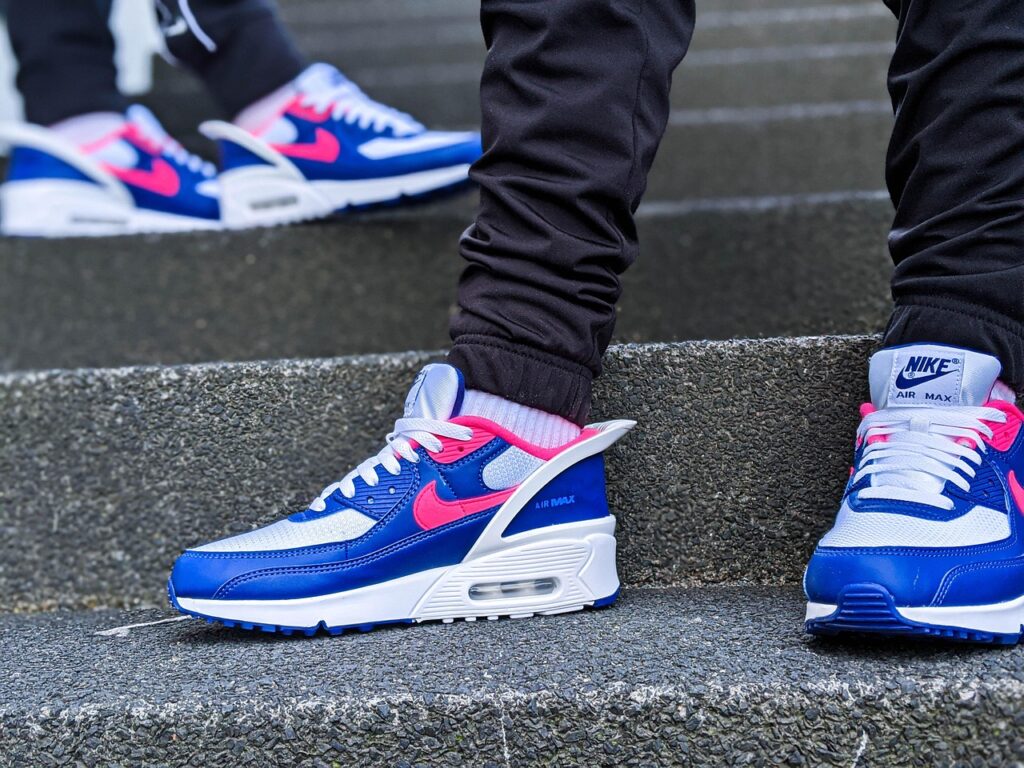
Searching for nike trainers china suppliers often creates a sourcing trap. China is part of Nike’s global manufacturing footprint, but that does not mean independent trading companies can legally wholesale authentic Nike trainers. Nike controls distribution through authorized retail and partner channels, so bulk offers from unknown suppliers should be treated as high-risk unless authorization can be verified.
Importers should separate three very different objectives: buying genuine Nike products through approved channels, sourcing non-branded athletic footwear from China, or developing a private-label trainer that does not use Nike trademarks, trade dress, logos, model names, or confusingly similar designs.
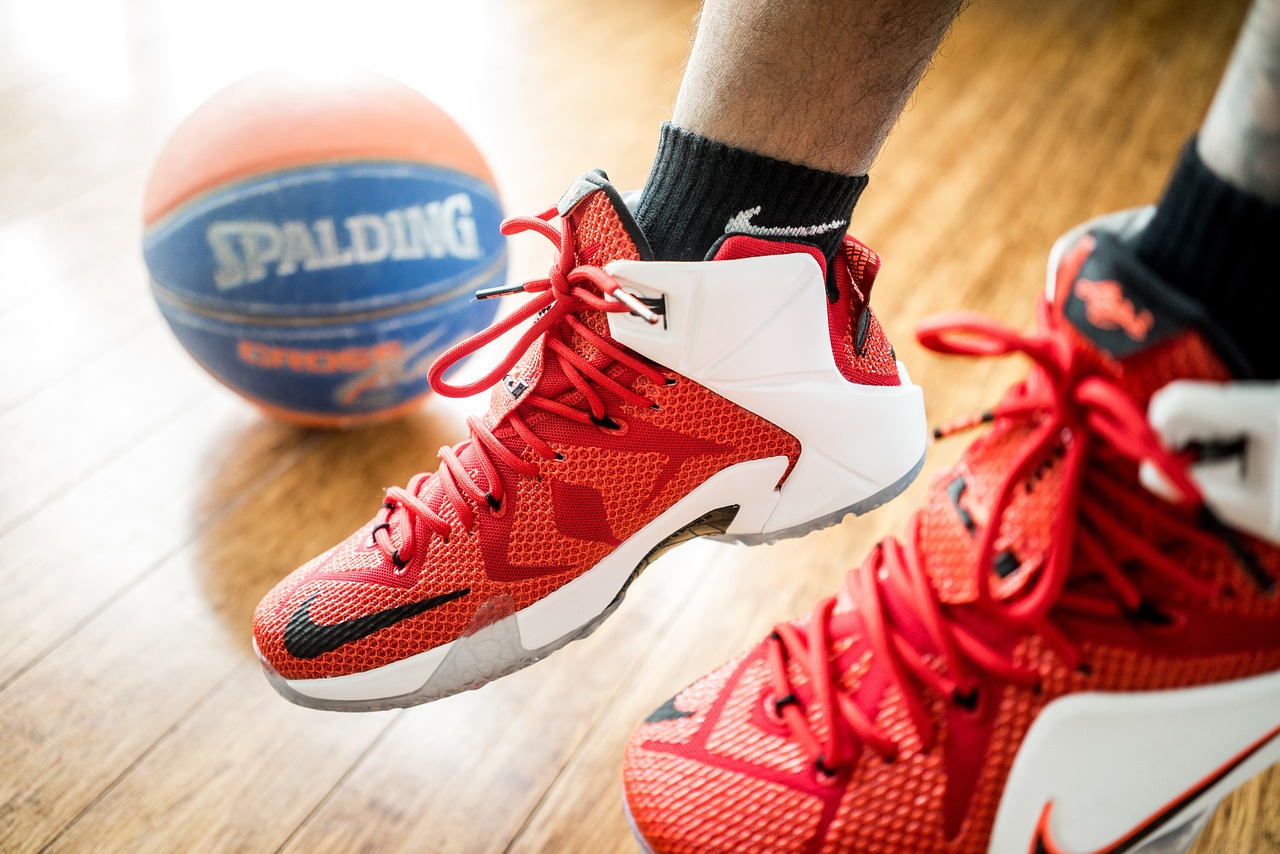
The risk is not limited to brand protection. Counterfeit footwear can lead to customs seizure, payment loss, marketplace suspension, customer claims, and potential trademark liability. A low unit price has little value if the shipment cannot clear legally or cannot be sold through the intended channel.
Why this search query is risky
The phrase “Nike trainers China suppliers” usually combines two separate issues. One is manufacturing origin: Nike does use contract manufacturers in Asia, including China. The other is wholesale access: the legal right to sell Nike-branded trainers. These are not the same thing.
Nike’s fiscal 2025 Form 10-K filed with the U.S. Securities and Exchange Commission stated that factories in Vietnam, Indonesia, and China manufactured about 51%, 28%, and 17% of total Nike Brand footwear respectively. This confirms that China remains part of Nike’s production network. It does not show that a factory, agent, marketplace seller, or exporter can independently sell Nike-branded stock to any buyer.
Nike’s own retailer guidance says its authorized retailer business is selective and reserved for conventional retail businesses that market, merchandise, and sell products to consumers. It also notes that applications to sell Nike product on digital marketplaces such as Amazon or eBay are not considered. For importers, this is a clear warning sign: a supplier claiming “factory direct Nike trainers” or “export surplus Nike shoes” needs to provide strong, verifiable evidence.
Manufacturing factories are not the same as wholesale suppliers
Many sourcing mistakes start with a basic misunderstanding of contract manufacturing. A contract factory may be approved to make branded footwear for a brand owner, but it does not normally own the brand, the trademarks, the distribution rights, or the unsold inventory. In a controlled brand supply chain, production orders, materials, labeling, quality systems, and shipment destinations are managed under contract.
An importer should therefore be cautious when a seller says it can provide “original Nike trainers from the same factory.” Even if a factory has made Nike products in the past, that does not prove the goods being offered are authorized, genuine, legally exportable, or cleared for resale. The risk is especially high when the offer includes popular models, full size runs, low minimum order quantities, generic packaging, payment to a personal account, or pressure to avoid detailed documentation.
For more sourcing frameworks across product categories, readers can visit the Suppliers section on Dumbopus.
Key verification checks before discussing any order
If a seller claims to offer authentic Nike trainers in China, importers should verify the claim before requesting samples, paying a deposit, or making commitments to customers. The checks below do not guarantee authenticity, but they help identify claims that should not move forward.
| Supplier claim | Why it needs verification | What to request |
|---|---|---|
| “We are an authorized Nike supplier” | Authorization must come from Nike or an officially recognized distribution relationship, not from a marketplace profile. | Written authorization that can be independently verified with the brand or approved regional channel. |
| “These are factory surplus trainers” | Surplus branded goods may still be restricted, unauthorized, or counterfeit. | Purchase chain, invoices, export documents, product identifiers, and permission for resale. |
| “Same quality, same factory, no logo problem” | Similar designs can still raise trade dress, design, or marketplace policy issues. | Original design files and confirmation that no protected marks or confusing model references are used. |
| “We can ship as sample shoes” | Misdescription can create customs and compliance risk. | Accurate commercial invoice, correct product description, country of origin, and tariff classification support. |
| “No need for paperwork” | Legitimate branded goods usually have a traceable commercial chain. | Company registration, bank account match, sales contract, inspection access, and compliance documents. |
A cautious buyer should also check the supplier’s legal entity, business license, physical address, export history, bank account ownership, product photos, packaging consistency, and willingness to support third-party inspection. Refusal to provide documents is not always proof of fraud, but it is a sound reason to stop the transaction.
Customs and marketplace consequences
Counterfeit footwear can be detained or seized by customs authorities. U.S. Customs and Border Protection reported that in fiscal year 2023 it seized 19,724 shipments containing goods that violated intellectual property rights, equal to nearly 23 million counterfeit goods. CBP’s fiscal year 2023 IPR fact sheet also listed footwear as a seized product category with a manufacturer’s suggested retail price value of more than $60 million.
The OECD and EUIPO’s 2025 report on counterfeit trade also treated footwear as a relevant sector in global fake-goods flows. Reports vary by country, period, and methodology, but they point to the same operational reality for importers: branded shoes are a commonly scrutinized category, and low-price cross-border offers should not be assessed on landed cost alone.
Marketplaces add another layer of control. Even if goods enter a country, online platforms may require invoices from authorized distributors, proof of authenticity, and compliance with brand restrictions. A seller account can be suspended if documentation does not meet marketplace expectations. The importer may then be left with inventory that cannot be sold through the planned channel.
What a lawful sourcing strategy can look like
There are three more realistic paths than trying to buy Nike trainers from unverified China suppliers.
Use authorized retail or distribution channels
If the business goal is to sell authentic Nike trainers, the first path is to work through official retail, regional, or wholesale channels where available. This may require a conventional retail business model, documented business license, brand application, credit review, and acceptance of Nike’s distribution policies. It may not suit every importer, particularly businesses built around third-party marketplaces or gray-market arbitrage. See also: Compliance.
Source non-branded athletic footwear
If the goal is access to the athletic footwear category rather than the Nike brand, China can be used for non-branded or private-label trainers. In that case, the sourcing brief should focus on outsole material, upper construction, size range, durability expectations, packaging, labeling, testing needs, and target market compliance. The supplier should not use Nike logos, Swoosh marks, protected model names, or images of Nike products in catalogs or quotations.
Develop an original private-label trainer
A private-label approach gives the importer more control over design, pricing, packaging, and market positioning. It also requires discipline. The buyer should avoid copying distinctive shoe silhouettes, colorways, and product names associated with major brands. Before production, the buyer should run trademark screening in target markets and use independent design files rather than supplier-provided “inspired” styles.
Due diligence checklist for China athletic footwear suppliers
When sourcing lawful non-branded trainers from China, the supplier review should focus on traceability and capability rather than brand claims. A practical checklist can include:
- Verified business license, registered address, and consistent company name across invoice, contract, bank account, and export documents.
- Clear product specification sheet covering materials, construction, size tolerance, outsole hardness, packaging, labeling, and inspection standards.
- Original branding agreement confirming that no Nike trademarks, model names, product photos, or protected design elements will be used.
- Pre-production sample approval, sealed reference sample, and written change-control process.
- Third-party inspection before shipment, including quantity check, workmanship review, labeling check, carton marks, and packaging review.
- Correct commercial invoice and packing list with accurate product description, value, country of origin, and buyer-seller details.
- Tariff classification review by a qualified customs broker, especially for U.S. importers because footwear classifications and China-related measures can materially change landed cost.
Importers should also avoid informal workarounds such as splitting shipments to hide value, declaring branded trainers as generic shoes, or asking the supplier to remove labels after production. These tactics may appear to reduce cost in the short term, but they increase enforcement and commercial risk.
How to read supplier listings without being misled
Many online listings use brand names as traffic magnets. Wording such as “Nike style,” “Air style,” “Jordan quality,” or “original factory shoes” may be intended to capture search demand without proving legal rights. Importers should treat that language as a warning sign, not a selling point.
Photos can also mislead. Product images may be taken from retail sites, social media, or previous unauthorized listings. A supplier that cannot provide its own production photos, sample videos, packaging details, and factory audit information should not be treated as verified. Even when photos are original, visual similarity does not establish lawful rights.
Price is another signal. Authentic branded trainers usually carry controlled distribution economics. If a seller offers current high-demand Nike models at prices far below normal wholesale or retail levels, the buyer should ask why the goods are available, who authorized the sale, and why normal brand channels are not being used. If the explanation depends on secrecy, urgency, or vague “insider” access, the safer decision is to walk away.
Frequently asked questions
Can I buy authentic Nike trainers directly from a China factory?
In normal trade practice, a contract factory’s role is manufacturing under the brand owner’s control, not open wholesale distribution. A buyer should not assume a factory can legally sell Nike-branded trainers unless authorization is independently verified through official channels.
Are “factory surplus” Nike trainers safe to import?
Not automatically. “Factory surplus” is a common claim in counterfeit and gray-market offers. The buyer needs a traceable purchase chain, resale authorization, accurate invoices, and documents that match the goods. Without that evidence, the risk remains high.
Is it legal to import Nike-style trainers without the Nike logo?
Removing a logo does not automatically remove risk. A shoe can still raise issues if it copies protected design elements, trade dress, product names, packaging, or marketing claims. For private-label footwear, use original designs and conduct trademark and design-risk checks in the target market.
What should importers source instead?
If the goal is affordable athletic footwear, importers can source non-branded or private-label trainers from qualified footwear manufacturers. The brief should emphasize materials, comfort, durability, testing, labeling, packaging, and compliance rather than references to Nike or other protected brands.
What is the main takeaway?
China can be a legitimate footwear sourcing market, and Nike does have production exposure there. But “Nike trainers China suppliers” is a high-risk sourcing phrase because manufacturing origin is not proof of resale authorization. Importers should verify rights first or shift to lawful private-label athletic footwear.