What Makes a Guangzhou Shipping Agent the Smart Choice for Importers?

Why Should You Use a Guangzhou Shipping Agent?
When you buy from South China, a guangzhou shipping agent should do more than book a container. In real orders, the work touches suppliers, trucks, warehouses, customs brokers, carriers, and your delivery schedule. For more route planning and trade shipping topics, you can also visit the Shipping section.
South China Supplier Density
Guangzhou is close to Foshan, Dongguan, Shenzhen, Zhongshan, and many smaller factory areas. This matters in daily shipping because one order often comes from several places. A furniture order may come from Foshan, spare parts from Dongguan, and packaging from Guangzhou itself. If every supplier sends cargo by itself, you may pay more pickup fees, receive mixed cartons, or miss the vessel cut off. A local agent can collect the cargo, check carton marks, and keep the goods in the warehouse until the full order is ready.
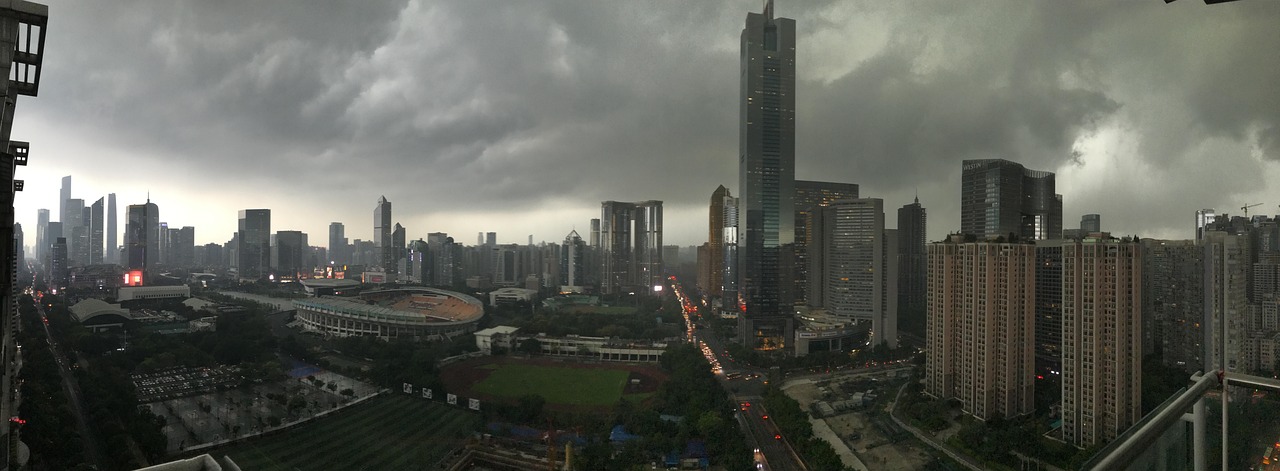
Nansha Port Access
Guangzhou’s Nansha port area is a major container gateway for the Pearl River Delta. Guangzhou Port Group announced in December 2024 that the annual container throughput of Nansha Port Area had exceeded 20 million TEUs, which shows the daily export volume behind the port. Port size does not remove every delay, but it gives importers more carrier choices and more options during busy weeks. (en.gzport.com)
Fewer Daily Gaps
Small misses can turn into large shipping costs. A supplier forgets the battery label, a carton count changes after booking, or a truck reaches the warehouse after cut off time. These problems sound ordinary, but they are the ones that create storage fees, rolled cargo, and late-night email chains. A Guangzhou shipping agent follows these details before they become a paid problem.
What Should a Guangzhou Shipping Agent Actually Do?
A good agent does more than send an ocean rate. You need someone who can turn a purchase order into a clean shipment, with cargo readiness, the right service type, and documents handled before the deadline. Part of the job is logistics, and part of it is steady follow-up with suppliers.
Supplier Pickup and Consolidation
If you buy from two or more factories, consolidation is often the first reason to use a local agent. The agent can arrange pickup by van or truck, receive cartons at a warehouse, count pieces, take photos, and group cargo by destination. For less than container load shipping, this reduces missing cartons and wrong marks. For full container load shipping, it also helps you decide whether direct factory loading or warehouse loading is the better choice.
Booking and Carrier Choices
Booking is not just the lowest number on a quote sheet. You need to check the vessel schedule, transit time, transshipment port, free time, local charges, and space situation. A low rate with a poor schedule can hurt if your goods are seasonal, linked to a retail launch, or needed for an Amazon delivery window. A practical agent should explain the tradeoff in normal shipping language, not cover it with jargon.
Customs Paperwork and Cargo Release
Export customs clearance in China depends on correct documents and timing. The agent usually checks the commercial invoice, packing list, HS code details, export license needs if any, and shipper information. If your supplier has no export rights, the agent may help arrange a compliant export setup through an authorized party. This step needs careful handling because a bad shortcut can stop the cargo even when the ocean booking is already confirmed.
How Do Guangzhou Routes Affect Cost and Lead Time?
Route choice affects more than the port name on the bill of lading. It changes pickup cost, sailing frequency, customs timing, destination fees, and the buffer you need. UN Trade and Development reported in its Review of Maritime Transport 2024 that over 80 percent of world trade volume moves by sea, while maritime trade grew 2.4 percent in 2023 to 12.3 billion tons. Ocean shipping carries huge volume, but it still faces congestion, route changes, and schedule pressure. (unctad.org)
FCL Shipping for Predictable Volume
Full container load shipping works well when your cargo volume is steady or your goods need more control. A 20-foot or 40-foot container can be loaded at the factory, or it can be loaded at a warehouse after consolidation. Factory loading is usually faster, while warehouse loading gives better control when goods come from several suppliers. If cartons are light but large, the container may fill by cubic meters before it reaches the weight limit, and that detail can change the price quickly.
LCL Shipping for Mixed Orders
Less than container load shipping suits smaller orders, samples, and mixed supplier cargo. You pay by volume, usually per cubic meter, plus local and destination charges. The main issue is handling because LCL cargo moves through warehouses and is grouped with other shipments. Packaging and labels need to be clear, and if the goods are fragile, high value, or odd-shaped, photos before loading can prevent arguments later.
Air Freight for Samples and Urgent Stock
Air freight from Guangzhou or nearby airports is useful for samples, repair parts, or urgent replenishment. It costs much more than sea freight, so it should be used for a clear reason. A common setup is to send a few cartons by air to keep sales moving, then ship the main order by sea. Your agent should compare chargeable weight, airline schedule, pickup timing, and destination clearance before you decide.
What Documents Keep Your Shipment Moving?
Documents are not the exciting part of shipping, but they decide whether cargo moves or sits while people look for a stamp, code, or corrected invoice. China export shipping also has firm timing rules. If documents are late, the goods can miss the plan even when everything is packed.
Commercial Invoice and Packing List Accuracy
The commercial invoice and packing list should match the real cargo. Product names, quantities, carton counts, gross weight, net weight, and buyer details should stay consistent across the documents. If the invoice says metal shelf but the carton marks say kitchen rack, customs or the destination broker may ask questions. Use clear product descriptions, since vague words like accessories or gifts can cause trouble.
HS Codes and Product Details
HS codes affect duty, inspection risk, and special document needs. A Guangzhou shipping agent should not guess the code from a product photo only. You should provide material, use, model, and sometimes technical specifications. For example, a power adapter, LED lamp, or product with a lithium battery may need extra checks. If reliable public data is not available for a product classification, the safer answer is to say so and confirm with a licensed customs broker.
Advance Manifest Timing in China
The General Administration of Customs of China states in its advance manifest rules that main data for export container vessels should be transmitted 24 hours before loading. For importers, the working point is simple: final shipper, consignee, cargo description, marks, weight, and container data should not wait until the last minute. Get these items right early, especially before weekends and public holidays. (english.customs.gov.cn) See also: Compliance.
How Can You Pick a Reliable Agent Without Guesswork?
Choosing an agent only by the lowest quote is risky. Freight rates change, but working habits are easy to see if you ask the right questions. Check how the agent explains costs, timing, limits, and possible delays before you send cargo.
Clear Quotation Lines
A useful quotation separates pickup, warehouse, customs, origin charges, ocean or air freight, destination charges if included, insurance, and extra services. If the quote only says all in, ask what is not included. Port storage, customs inspection, container detention, and destination delivery can appear later. The best quote is not always the cheapest one; it is the one you can read without calling three times.
Real Tracking Habits
Tracking should be practical and tied to real shipping steps. You need updates when cargo is received, customs is released, the container is loaded, the vessel departs, the vessel arrives, documents are sent, and delivery is arranged. A screenshot from a carrier site helps, but it is not enough if nobody explains what changed. For time-sensitive orders, agree on update frequency before booking because silence during a delay is never useful.
Industry Fit and Risk Control
Different products need different handling. Furniture needs volume planning and packaging checks, while electronics may need battery paperwork and product compliance documents. Textiles may need carton sorting by SKU and color. The World Bank and S&P Global Container Port Performance Index 2023 ranked Guangzhou eighth globally, which supports the port’s strong operating position, but your shipment still depends on the agent’s product-level routine. (documents1.worldbank.org)
What Mistakes Should Importers Avoid Before Booking?
Many shipping problems start before the booking is made. The vessel is not always the real issue. Weak supplier coordination, unclear terms, and rushed packing cause a lot of delays. A little control before booking usually saves more money than arguing after cargo reaches the port.
Late Cargo Ready Dates
A cargo ready date should mean the goods are packed, labeled, counted, and ready for pickup. It should not mean the supplier hopes to finish tomorrow. If you have several suppliers, set one shared deadline and leave time for pickup and warehouse receiving. During busy seasons, add extra days because Chinese New Year, Golden Week, and year-end export peaks can turn a small delay into a missed sailing.
Loose Incoterm Decisions
Incoterms decide who pays and who controls each part of the shipment. EXW gives you more control, but it adds local pickup and export handling work. FOB is common for sea freight, but you still need to check which port, which charges, and who handles customs. DDP may sound easy, yet tax, compliance, and delivery risk still need a careful review. Choose the term before asking for final prices, not after.
Weak Packaging and Label Checks
Packaging is part of logistics, not something to check at the end. Cartons should suit the transport mode and product weight. Labels should show carton number, SKU, destination, and handling marks when needed. Pallets can help warehouse handling, but they add volume and cost. If goods are fragile, ask for drop-resistant packaging and photos, because this small check feels much cheaper when the cargo arrives in good condition.
FAQ
Q1: How Early Should You Contact a Guangzhou Shipping Agent? A: For regular sea freight, contact the agent 10 to 14 days before the planned cargo ready date. For consolidated orders, busy seasons, or products with batteries, give more time.
Q2: Can a Guangzhou Shipping Agent Combine Goods From Different Suppliers? A: Yes. That is one of the most common reasons to use one. The agent can collect goods, check carton counts, store cargo, and ship everything under one plan.
Q3: Is Guangzhou Better Than Shenzhen for Shipping? A: It depends on supplier location, route, price, and schedule. Guangzhou is strong for Pearl River Delta cargo, while Shenzhen may fit some electronics and Yantian route needs better.
Q4: What Information Should You Send for a Freight Quote? A: Send product name, carton count, weight, volume, supplier address, ready date, destination address or port, Incoterm, and any special cargo details such as batteries or liquids.
Q5: Should You Buy Cargo Insurance for Shipments From Guangzhou? A: For high-value, fragile, seasonal, or hard-to-replace goods, cargo insurance is usually worth discussing. Freight providers limit liability, so uninsured loss can be painful.