Is COSCO Shipping Shanghai the Best Choice for Your Export Cargo?
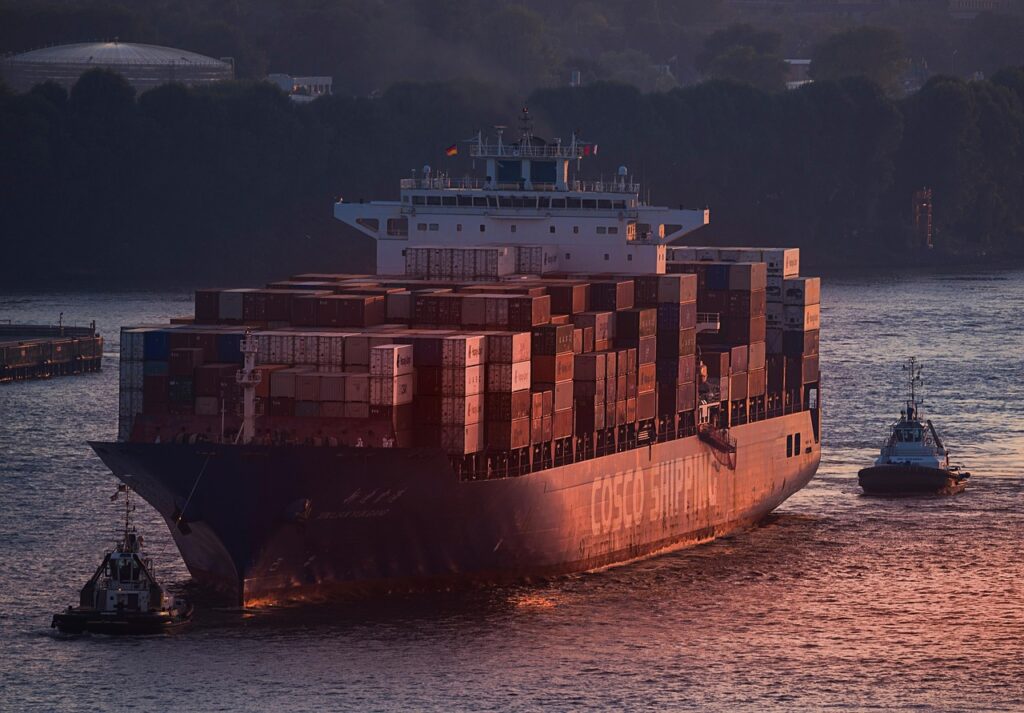
What Does COSCO Shipping Shanghai Mean for Exporters?
When buyers search cosco shipping shanghai, they are usually checking more than a company address. They want to know if a COSCO booking from Shanghai can ship cargo safely, at a fair cost, and without extra charges showing up later. This guide in the Shipping section gives you a practical way to review the booking before your supplier prints cartons or your forwarder asks for a deposit.
A Carrier Booking from the Shanghai Gateway
COSCO Shipping Shanghai usually means a container booking with COSCO Shipping Lines, or through a related local booking channel, using Shanghai Port as the origin gateway. For the shipper, the main thing is not the office name. It is the service string, vessel, route, cutoff, transshipment plan, and arrival port. A Shanghai booking may go direct to Long Beach, Hamburg, Rotterdam, Jebel Ali, or another hub. It may also move through a second port, and that routing point can change the delivery window by several days.

A Local Office and Agent Workflow
In normal export work, the shipment often goes through the supplier, factory trucker, forwarder, customs broker, and carrier system. The Shanghai side handles space, equipment release, SI submission, VGM, and bills of lading. If one party misses a document cutoff, the container can sit at origin even when the vessel is still alongside the terminal. Paperwork is not exciting, but this is where many costly delays begin.
A Choice That Still Needs Route Checks
A well-known carrier name does not make every sailing the right sailing. You still need to compare direct calls, transit time, blank sailing risk, destination free time, and final delivery cost. For a 40HQ of furniture, a lower ocean rate can lose value if destination demurrage starts after only a few free days. For seasonal products, a slightly higher rate may make more sense if the cutoff and arrival date fit the sales plan better.
Why Does Shanghai Port Give COSCO a Strong Starting Point?
Shanghai is not just one more China port. It is a major export base for factories in Shanghai, Jiangsu, Zhejiang, Anhui, and nearby inland cities. When COSCO uses Shanghai, shippers get wide route coverage, regular equipment flow, and many local services for customs, trucking, warehousing, and inspection.
The World’s Largest Container Port by Volume
Public data gives useful background. Shanghai Municipal Government information updated in 2026 reported that Shanghai Port handled more than 55.06 million TEU in 2025 and kept the world’s top container port position for 16 consecutive years. The same public source says Shanghai became the first port to pass 50 million TEU in one year on December 22, 2024. For exporters near the Yangtze River Delta, that scale means more sailings, more equipment movement, and more backup choices when one vessel is already full.
Dense Services for Main Trade Lanes
COSCO Shipping Holdings reported in its 2025 Annual Report that the group’s fleet capacity reached 3.6 million TEU by the end of 2025. The report also listed COSCO Shipping Lines volume at 19,560,114 TEU in 2025, including Trans-Pacific, Asia-Europe, Asia regional, other international, and Mainland China routes. This does not mean every booking will run without trouble. It does mean you are working with a carrier network set up for regular weekly cargo flow, not only spot sailings from time to time.
Better Options for Split Shipments
Shanghai is useful when the order is not as neat as the purchase order suggests. One supplier may be in Suzhou, another in Hangzhou, and a carton supplier may finish labels one day late. A Shanghai consolidation plan can sometimes bring these parts together more easily than forcing all cargo into a smaller gateway. Still, check the numbers first. If most cargo is near Ningbo or Qingdao, trucking everything to Shanghai only because the carrier name is familiar may waste money.
When Should You Choose COSCO from Shanghai?
COSCO from Shanghai often suits export cargo that needs steady vessel space, standard container handling, and a clear document process. It is not always the lowest rate in the market, and that is not always a problem. In shipping, the lowest rate can become expensive when the order has a fixed retail window or high destination charges.
Large FCL Orders with Predictable Delivery Windows
Full container loads are the natural match. If you ship 1 x 40HQ of home goods, machinery parts, textiles, tools, or packaged consumer products, a Shanghai CY to CY booking can keep the job fairly clean. Ask for the vessel name, ETD, ETA, cutoff, CY closing time, and transshipment status before you approve the booking. If your cargo must reach a U.S. warehouse before a promotion, add some buffer days. A vessel ETA is not the same as cargo being available at the rail ramp.
Mixed Supplier Cargo Around the Yangtze River Delta
Shanghai works well when several suppliers are within a reasonable trucking range. A forwarder can arrange factory pickups, warehouse loading, export customs, and container delivery to the terminal. For LCL cargo, COSCO may not be the direct contract party because consolidators build the box. Even so, the ocean leg may still move on a COSCO vessel or alliance service. Ask who controls the master bill and who can handle a destination issue if one comes up.
Buyers Needing Port and Inland Support
If you need sea-rail, bonded warehouse handling, inspection support, or inland pickup from the Yangtze River area, the wider COSCO and Shanghai port ecosystem can be useful. COSCO Shipping Ports reported in its 2025 Annual Report total terminal throughput of 152,994,965 TEU, plus 387 berths at 40 ports globally, including 238 container berths. This does not guarantee your shipment will move faster. It does show the group is connected with port assets and trade corridors, not just vessels.
What Costs and Risks Should You Check Before Booking?
A Shanghai ocean quote can look simple at first glance. The real landed cost is usually not that simple. Before you confirm, separate ocean freight from local charges, destination charges, customs costs, free time, and possible storage. The quote with the lower first number is not always the cheaper shipment.
Freight Rate Movement Beyond the Base Ocean Price
UNCTAD’s Review of Maritime Transport 2025 said maritime trade growth was expected to slow to 0.5% in 2025 after 2.2% growth in 2024, while freight rates stayed elevated and volatile across 2024 and 2025 due to geopolitical tension, trade policy shifts, and supply-demand swings. For day-to-day booking work, the point is simple: get the rate validity in writing. Confirm whether BAF, LSS, PSS, GRI, war risk, peak season, and equipment fees are included or shown as separate items. If they are not listed clearly, ask before the container is loaded. See also: Compliance.
Documentation Cutoffs That Can Hurt Quickly
For U.S. imports, check AMS and ISF timing with your broker. For Europe, confirm ENS or ICS2 responsibilities where relevant. For every lane, verify commercial invoice, packing list, HS code, shipper details, consignee details, VGM, shipping instruction, and bill of lading type. A small mismatch in the consignee name can slow release. It feels harsh, but the system will not care that the warehouse team is waiting.
Schedule Reliability and Blank Sailing Risk
No carrier can promise a perfect schedule. Sea-Intelligence public reporting through August 2025 said global schedule reliability had stayed around 65% to 68% since May 2025. That is a useful market signal, not a COSCO-only score. Treat it as a reminder to build in buffer time, especially before holidays, factory shutdowns, and retail deadlines. Also ask whether your sailing is part of an alliance string, because blank sailings and vessel swaps can change which ship carries the box.
How Can You Book COSCO Shipping Shanghai More Safely?
A safer booking is usually not complicated. It comes from asking clear questions early, keeping written records, and checking small items before the container leaves the factory. A few minutes before booking can save several days after arrival.
A Quote Checklist Before You Say Yes
Ask for origin, destination, service type, carrier, vessel, voyage, ETD, ETA, transit time, route, free days, rate validity, included surcharges, excluded charges, cancellation rules, and bill of lading fee. If the quote says Shanghai to Los Angeles, confirm whether that means port only, rail ramp, door delivery, or warehouse delivery. One short line on a quote can hide many charges. Get the unclear parts confirmed by email or message before you approve the booking.
Container Loading Details That Save Time
Give your supplier a loading plan before the truck arrives. Confirm carton count, gross weight, cargo dimensions, pallet use, fumigation status, photos, seal number, and loading time. Heavy cargo needs extra care. A legal container weight is not always a safe road weight in every location. If cargo is fragile, ask for loading photos before the doors close, not after the vessel sails.
A Simple Weekly Follow Up Routine
Use a simple weekly rhythm. Early in the week, confirm equipment release and booking status. Midweek, check documents and customs status. Before cutoff, verify container gate-in and VGM. After sailing, request the draft bill and tracking update. After arrival, watch free time and customs release. This is routine work, but it keeps a shipment from becoming a Friday afternoon problem.
FAQ
Q1: Is COSCO Shipping Shanghai Good for U.S. Imports? A: Yes, it can be a good fit when your supplier is near Shanghai or the Yangtze River Delta and the sailing matches your delivery window. Still compare total landed cost, free time, and inland delivery before booking.
Q2: Does COSCO Always Offer the Cheapest Rate from Shanghai? A: No. COSCO may be competitive on many lanes, but the cheapest rate changes by week, space, season, and surcharge. The best choice is the one with the right balance of price, schedule, and risk.
Q3: Should You Book Directly with COSCO or Use a Forwarder? A: Use a forwarder if you need supplier pickup, customs help, consolidation, delivery, or document support. Direct carrier booking may work for experienced shippers with steady FCL volume and their own broker network.
Q4: What Documents Matter Most for a Shanghai Export? A: The core set usually includes commercial invoice, packing list, booking confirmation, shipping instruction, VGM, customs declaration data, and bill of lading details. Product certificates may apply by cargo type.
Q5: How Early Should You Book Space from Shanghai? A: For normal FCL cargo, booking one to two weeks before cargo ready date is often safer. During peak season, before Chinese holidays, or for tight retail deadlines, book earlier and keep backup sailings ready.