Which China Shipping Companies Are Best for Your Next Import Order?
Why do China Shipping Companies Matter for Importers?
Choosing among china shipping companies can decide whether your goods move on time or wait at the port while each side points to the other. If you import from Shenzhen, Ningbo, Shanghai, Qingdao, Xiamen, or Tianjin, the shipping partner is part of your buying plan, not just someone you call after production is done. For more practical freight topics, you can also browse the Shipping section.
China’s Export Volume
China is still one of the main origins for global goods trade, so space, customs flow, and port schedules affect many importers. The General Administration of Customs reported that China’s foreign trade in goods reached 45.47 trillion yuan in 2025, up 3.8% year on year. Exports rose 6.1% to 26.99 trillion yuan, while imports reached 18.48 trillion yuan. The point is simple: when this much cargo leaves one country, a careful shipping company and a careless one can produce very different results in space, cost, and timing. Source note: General Administration of Customs data released through the State Council of China in January 2026. (english.www.gov.cn)
Major Port Capacity
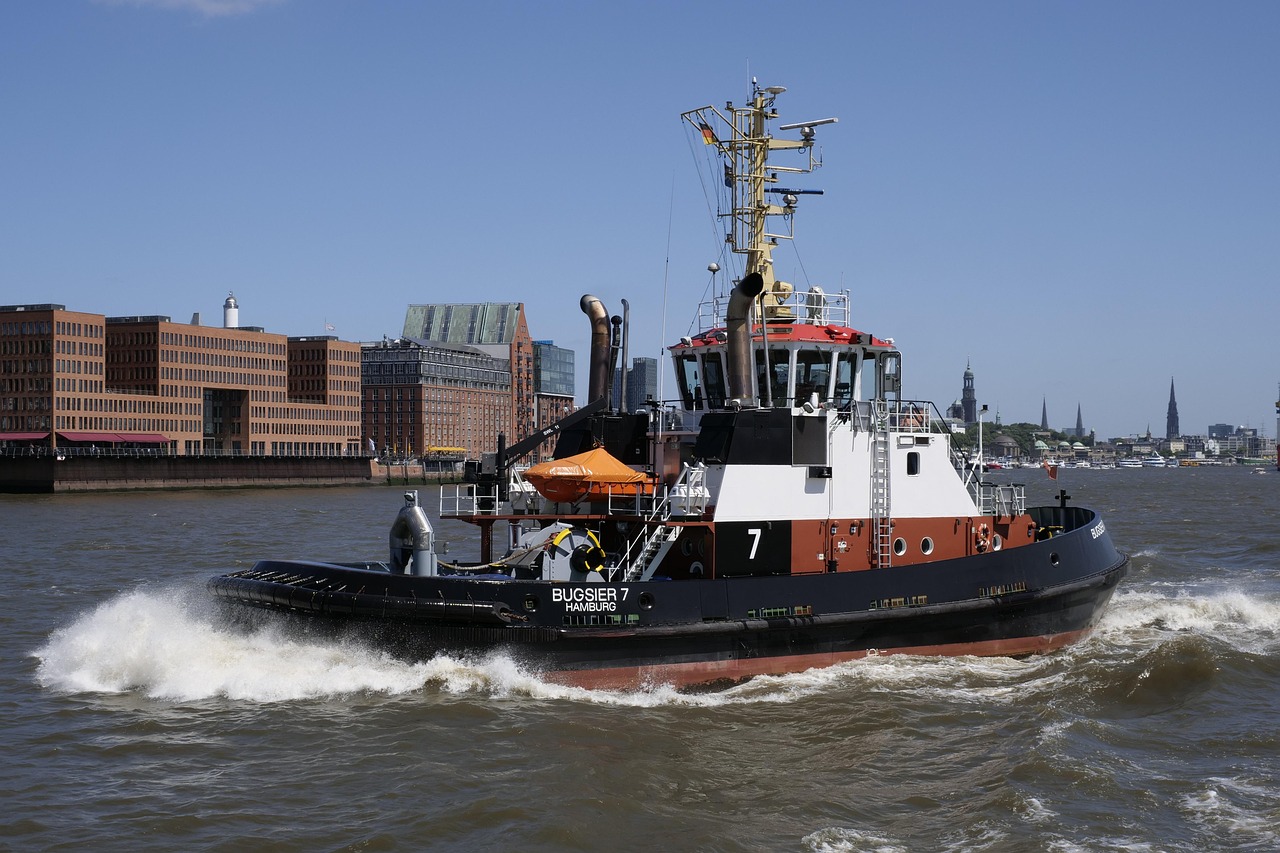
China’s port network gives importers many choices, but the closest port is not always the right port. Shanghai Port handled more than 55 million TEUs in 2025 and kept its position as the world’s busiest container port for the 16th year in a row. That size helps when you need regular sailings, more carrier options, and feeder links that can support different routes. Still, a furniture supplier in Foshan may move faster through Nansha or Yantian than through Shanghai. A good shipping company checks factory location, cargo type, vessel cut-off, and road haulage before sending a quote.
Sea Freight’s Core Role
Ocean freight still carries most physical trade. UN Trade and Development states in its Review of Maritime Transport series that around 80% of global goods trade by volume moves by sea. This is why the shipping company you choose should do more than book space. It should help with container loading, shipping marks, customs papers, bill of lading details, and port handover. Small errors can turn into storage fees, especially when documents do not match. A wrong consignee name may look harmless on paper until the bank, customs broker, or destination agent refuses to release cargo. Source note: UN Trade and Development, Review of Maritime Transport page, updated with the 2025 edition. (unctad.org)
Which Types of China Shipping Companies Should You Compare?
Not every provider handles the same work. Some own vessels, some buy space from carriers, and some focus on documents, trucking, and consolidation. Before you ask for a price, be clear about the support you need. The right match for a full container of tiles may not work for a mixed carton shipment from three suppliers.
Ocean Carriers
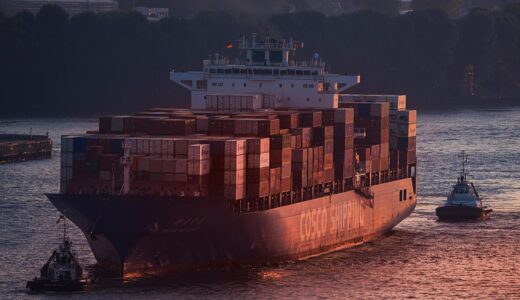
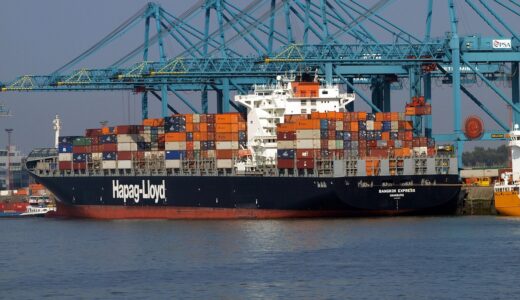
Ocean carriers operate vessels and publish sailing schedules. COSCO Shipping Lines is the most visible Chinese example for container shipping. Its company profile says that by the end of June 2026, COSCO Shipping Lines owned and operated 463 container vessels with about 2.5 million TEUs of capacity. Together with Orient Overseas Container Line, the figure was 604 container vessels and about 3.7 million TEUs, calling 666 ports in 146 countries and regions. A carrier can be a good choice when you ship large and regular volumes, and when your own team can manage booking steps, customs coordination, and destination charges. Source note: COSCO Shipping Lines company profile, June 2026 data. (lines.coscoshipping.com)
Freight Forwarders
Freight forwarders are often easier for importers because they connect the moving parts. They can book with carriers, arrange pickup, collect documents, manage consolidation, and work with the destination agent. This is useful when your supplier says FOB Shanghai, but the factory is actually two hours from the port and the cargo is not export packed yet. A forwarder should catch these issues before the truck reaches the factory. For small and mid-size importers, a forwarder is usually more useful than dealing with a vessel operator directly.
NVOCC and Consolidators
An NVOCC sells ocean freight but usually does not operate vessels. Consolidators put smaller shipments into one container, which helps when you cannot fill a 20-foot or 40-foot box. This is common for samples, spare parts, Amazon replenishment, and first trial orders. The main point is visibility, because LCL cargo may be moved and handled more than once. Ask how many times the cargo will be handled, where the container will be stuffed, and whether the company issues a house bill of lading. Cheap LCL can become expensive if destination handling fees are not clear.
How Can You Judge Service Quality Before Booking?
A neat quote can still hide weak operations. Service quality shows up in the questions a shipping company asks before it accepts your cargo. If the salesperson only asks for port pair and weight, take a step back. Real freight work depends on cargo details, cut-off times, compliance checks, and document control.
Route Fit
Ask which port pair and vessel service the company plans to use. Direct service is not always available, but extra transshipment adds risk, especially for fragile goods, batteries, seasonal products, or retail launches. A good provider explains why it chooses Shanghai, Ningbo, Yantian, Qingdao, or another port. It should also tell you the estimated transit time, sailing frequency, and whether the route often sees rollovers during peak periods. If the answer is only around 30 days, ask for the vessel plan and cut-off details.
Document Control
Documents feel routine until they stop a shipment. The commercial invoice, packing list, export declaration, certificate of origin, and bill of lading must match. Product names should stay the same from one paper to another. HS codes should be checked with a customs broker when duty risk is high. If payment uses a letter of credit, the bill of lading wording may need to be exact. A solid shipping company gives you a document checklist before cargo pickup, not after the vessel sails.
Communication Speed
Good communication is not about fancy reports. It is about sending the right update at the right time and saying the problem clearly when there is one. You should know the cargo received date, vessel name, ETD, ETA, container number, seal number, and any delay. The World Bank’s Logistics Performance Index 2023 measures logistics by factors such as customs, infrastructure, international shipments, logistics competence, tracking and tracing, and timeliness. The same report notes that supply chain digitalization can shorten port delays by up to 70% in some settings. For an importer, the lesson is practical: tracking tools help only when a real operations team keeps them updated. Source note: World Bank Logistics Performance Index 2023. (worldbank.org)
What Costs Should You Check Before Choosing a Carrier?
The lowest freight line on a quote is not the full cost. Importers often compare ocean freight and miss origin charges, destination charges, chassis costs, customs exam fees, demurrage, detention, and storage. No one likes reading a long tariff sheet, but it can prevent arguments later. It also helps you compare two quotes on the same basis.
Ocean Freight and Surcharges
Ocean freight changes with season, route, equipment supply, and market events. A quote may also include bunker adjustment, peak season surcharge, low sulfur charge, security fees, and documentation fees. Ask whether the price is all-in for the freight leg or only base ocean freight. Also ask how long the rate is valid. During busy months before Christmas, Chinese New Year, or major trade shows, a rate valid for seven days can be normal. A rate valid for a month may sound good, but it may not hold if the market is moving fast.
Local Charges
Local charges at origin and destination can surprise new importers. Origin costs may include pickup, export customs, terminal handling, booking, document release, and container seal. Destination costs may include terminal handling, delivery order, customs brokerage, duty, tax, port storage, and final delivery. For LCL shipments, destination handling needs extra attention because the arrival side may charge by volume, shipment, or document. A small carton shipment can look cheap from China but carry high release and warehouse fees when it lands. Ask for a sample landed cost, not only a freight quote.
Delay Costs
Delay costs are the quiet part of shipping, but they can become painful fast. If your container waits because the consignee is wrong, the arrival notice is missed, or the customs broker lacks product data, demurrage and detention can build day by day. A practical way to reduce risk is to request free time details before booking. Also check who pays if cargo misses a cut-off because the supplier packed late. It feels a little awkward to ask these questions at the start, but it is easier than arguing after the container is already at the terminal. See also: Compliance.
How Should You Manage Risk When Shipping from China?
Shipping risk is not only about bad weather at sea. It includes supplier delays, wrong Incoterms, weak packaging, customs holds, sanctions screening, cargo damage, and unclear responsibility. You cannot remove every risk from a shipment. You can still make the job much harder to get wrong.
Contract Terms
Incoterms shape responsibility. Under EXW, you may carry more work inside China, including pickup and export steps. Under FOB, the seller usually handles delivery to the named port and export clearance. Under CIF or CFR, the seller arranges main carriage, but that does not always mean the service is best for you. Many importers prefer FOB with their own forwarder because it gives better control over sailing choice, documents, and destination agent. Whatever term you use, write the named place clearly, such as FOB Ningbo, not just FOB China.
Cargo Insurance
Cargo insurance is easy to skip when the shipment value looks small. That can be a costly mistake. If goods are damaged, lost, or affected by a general average event, basic carrier liability may not cover your real loss. Ask for insurance based on cargo value, route, and product type. Electronics, glassware, machinery, and branded retail goods need extra care. Also keep packing photos, carton counts, and loading records, because claims are much harder when no one can prove what was loaded.
Peak Season Planning
Peak season planning should start before the supplier finishes production. Share the ready date early, then leave a few days for inspection, labeling, trucking, and customs declaration. Do not book the last possible vessel if a retailer has a fixed delivery window. A small buffer may not look important on the schedule, but it protects cash flow. For example, a shipment of promotional packaging that arrives one week late may have almost no value, even if the freight cost was low. The cheapest sailing can become the most expensive decision.
Which China Shipping Companies Fit Different Import Scenarios?
Your best choice depends on cargo size, urgency, product risk, and how much control you want. A company that works well for weekly FCL shipments may be too heavy for a sample order. Another provider may be strong at LCL but weak at oversized machinery. Match the provider to the job instead of using one name for every shipment.
Full Container Orders
For FCL shipments, focus on carrier allocation, equipment availability, and port cut-off control. A forwarder with steady carrier contracts can help when space tightens. If you ship monthly from the same region, ask for a lane plan covering two or three port choices. For example, a Zhejiang supplier may use Ningbo most of the time, but Shanghai can be a backup in certain weeks. Your shipping company should also check container condition, seal records, and verified gross mass submission. These checks are basic, but they prevent many avoidable problems.
Small Trial Shipments
For LCL or trial orders, choose a company that is clear about consolidation points and destination charges. Ask whether cargo is palletized, whether cartons may be mixed with heavy goods, and how the warehouse handles fragile items. If the order is very small, air freight or express may beat ocean freight once local fees are included. A sensible shipping partner will say that directly instead of pushing every shipment onto the water. This kind of answer may save you both time and money.
Time Sensitive Cargo
For urgent cargo, compare fast ocean, air freight, rail to Europe where suitable, or sea-air options. Do not judge only by transit days. Check pickup date, export cut-off, airline or vessel frequency, customs needs, and final delivery time. A three-day air service that waits four days for documents is not really three days. The right China shipping company gives you a full timeline from factory gate to your door, with the weak points clearly marked. That is the timeline you can use for buying, sales, and warehouse planning.
FAQ
Q1: Which China Shipping Companies Are Best for Small Importers? A: Freight forwarders and LCL consolidators are usually best for small importers because they can manage pickup, consolidation, documents, and destination coordination in one process.
Q2: Should You Choose a Carrier or a Freight Forwarder? A: Choose a carrier if you have large regular volume and in-house shipping skill. Choose a forwarder if you need help with routing, documents, local trucking, customs, and delivery.
Q3: What Should a China Shipping Quote Include? A: It should show ocean freight, origin charges, destination charges, surcharges, free time, document fees, customs-related services, and the rate validity period.
Q4: Is FOB Better Than CIF When Importing from China? A: FOB often gives you more control because you can choose your own forwarder and destination agent. CIF may look easy, but destination charges and service quality can be less clear.
Q5: How Early Should You Book Shipping from China? A: For normal ocean freight, start planning two to three weeks before cargo is ready. Before Chinese New Year or major peak seasons, start earlier because space and equipment can tighten fast.