Is Payment Tokenization the Best Way to Protect Cross-Border Payments?
Why Does Payment Tokenization Matter in Import and Export Trade?
If you sell goods across borders, payment tokenization is not only an IT setting. It changes buyer trust, stored card risk, repeat orders, and the day-to-day work behind your payment planning. A buyer may pay for a sample order by card today, come back next month, and ask your team to charge the same card after shipping terms are agreed. That flow is common in export work, but it becomes risky when full card numbers move into emails, spreadsheets, sales notes, or an order system.
The fraud background is serious. The U.S. Federal Trade Commission reported in March 2025 that consumers lost more than $12.5 billion to fraud in 2024, up 25% from the prior year. Tokenization does not stop every scam, and it cannot tell you whether a buyer is honest. It can, however, reduce the value of stolen card data, which is useful for any exporter taking digital payments. (ftc.gov)

Card Data Becomes Less Useful to Criminals
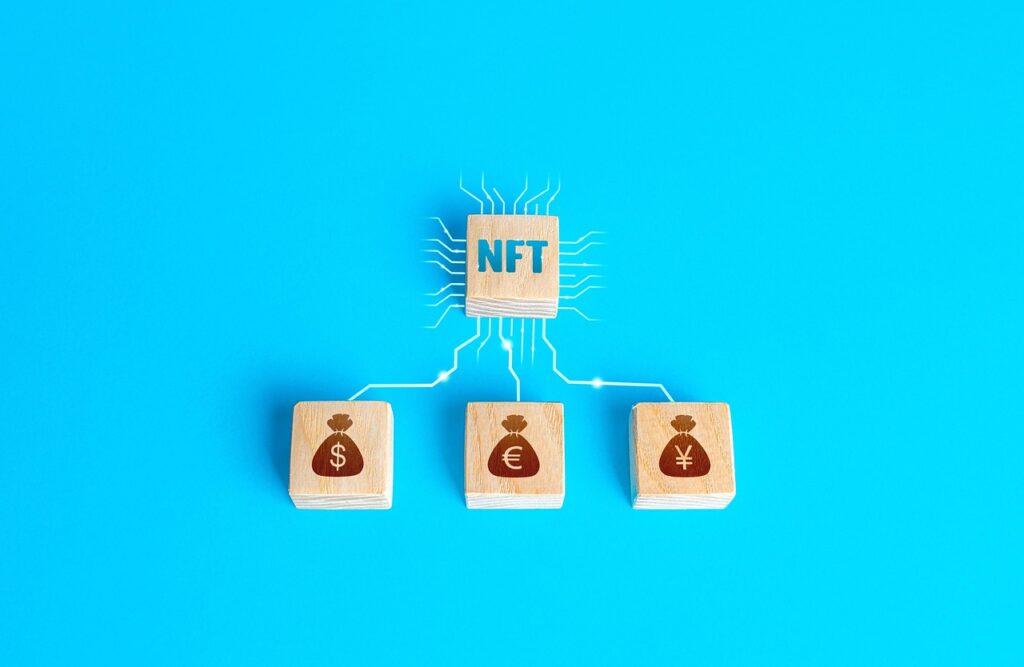
Payment tokenization replaces a primary account number with a token. The token works as a reference value, not as the real card number. EMVCo says EMV payment tokens can reduce the value of stolen or compromised payment information because the token should not work outside a set merchant, device, or payment scenario. That matters in daily payment work. If a criminal steals a token made for your checkout, it should be much less useful on another site. (emvco.com)
Checkout Feels Safer for Overseas Buyers
Cross-border buyers often pause before entering card details on a supplier site they do not know well. That is a normal reaction, especially on a first order. They may be checking your company name, shipping country, and refund wording at the same time. Tokenized payment flows, especially those handled by trusted gateways or card networks, help keep sensitive card data away from your own site systems. The buyer still needs clear pricing and a proper invoice. Security will not fix a confusing quote.
Compliance Work Can Become Smaller
The PCI Security Standards Council explains that storing tokens instead of primary account numbers can reduce the amount of cardholder data in a merchant environment and may reduce the work needed for PCI DSS controls. The same guidance is careful on this point. Tokenization does not remove PCI duties by itself, and each setup still needs review. In plain terms, fewer full card numbers usually means fewer places to protect, but you still need proof for your process. (pcisecuritystandards.org)
How Does Payment Tokenization Work During a Trade Payment?
A trade payment can look untidy from the outside. There may be a pro forma invoice, partial deposit, balance payment, shipping delay, and a refund for overpaid freight. Tokenization gives your systems a payment reference without storing the real card number. You can use that reference for later payment actions, while the sensitive data stays with a qualified payment provider or token service provider.
Card Data Enters a Secure Payment Flow
The cleaner route is direct capture by the payment gateway, hosted payment page, embedded secure field, or digital wallet. Your staff should not ask buyers to send card numbers by email or chat. It still happens in real business, often when a buyer says the website is not loading. A better option is to send a secure payment link tied to the invoice number, currency, and amount.
A Token Replaces the Primary Account Number
After capture, the tokenization system creates a token and maps it to the original card data inside a controlled environment. Your store, ERP, or billing tool receives the token. Later, when you need to charge a remaining balance or handle a subscription-style reorder, your system sends the token to the provider. It does not need to see the real card number again.
Gateway, Network, and Device Tokens Take Different Jobs
Not all tokens do the same job. A gateway token often works inside one payment processor. A network token comes from the card network and can help with card-on-file payments, since it may stay current when a card expires or is replaced. A device token is common in wallets and mobile payments. Before choosing, ask where the token works, who can detokenize it, and what happens if you change processors.
What Business Results Can Payment Tokenization Bring?
The business case should stay practical. Tokenization is not a badge you place on a checkout page and forget. It can lower exposure, support repeat payments, and help good orders get approved, but the final result depends on your countries, buyer base, acquirer, risk settings, and checkout design. Public figures are useful as a reference, not as a guaranteed result for every exporter.
Lower Fraud Exposure in Digital Channels
Visa reported on June 4, 2024, that it had issued more than 10 billion tokens since launching the technology in 2014. Visa also said tokenized payments saved $650 million in fraud in the prior year and that tokenization can reduce fraud rates by up to 60%. These are network-level figures, so they should be read as a strong market signal. They are not a promise for your own site without the right payment setup and controls. (investor.visa.com)
Better Approval Rates for Good Orders
False declines hurt export sales because the buyer may not try again. A legitimate buyer in Canada may fail a payment for a replacement part simply because the bank sees a foreign merchant, a high ticket size, and little history. Visa reported a six-basis-point global approval-rate lift from tokenization. That sounds small, but on a high-volume store it can mean recovered revenue. On a low-volume B2B site, it may show up as fewer awkward calls with good buyers.
Fewer Failed Repeat Payments
Card-on-file trade payments are common for spare parts, samples, tooling fees, and installment balances. Tokenization can make those repeat payments cleaner because your system keeps a payment reference without keeping the full card number. Network tokens may also help when a buyer receives a replacement card. You should still send clear payment notices. Surprise charges create disputes, even when the payment technology works as planned.
What Risks Still Remain After Payment Tokenization?
Tokenization reduces card data exposure, but it does not make a weak payment operation safe. Exporters still face fake buyers, account takeover, refund fraud, malware, and poor internal access control. A human problem also remains: someone may approve an urgent change because a message sounds convincing. Good technology helps, but daily payment habits still matter.
Checkout Scripts Still Need Control
If your checkout page loads many third-party scripts, those scripts can become a weak point. Analytics, chat widgets, coupon tools, and tag managers may sound harmless until one script is changed or abused and touches data it should not touch. Keep the checkout page simple. Fewer scripts, clear ownership, and regular checks can prevent many problems. Payments are often safer when checkout is boring and controlled. See also: Compliance.
Token Vaults Need Strong Access Rules
A token vault or token service provider must be protected because it maps tokens to sensitive card data. Limit who can detokenize, log access, review unusual activity, and remove old tokens when you no longer need them. If you outsource the vault, get written details on PCI scope, roles, breach notice terms, and data return if you leave. Do not rely on a sales slide.
Social Engineering Still Bypasses Good Card Security
The 2025 Verizon Data Breach Investigations Report found that third-party involvement in breaches doubled to 30%, while credential abuse and vulnerability exploitation remained leading initial attack vectors. For trade companies, this points to supplier portals, freight partners, plugins, and staff passwords. Tokenization protects the value of payment data, but it cannot patch a weak password or verify a last-minute bank-account change. Those checks still need people and process. (verizon.com)
How Should You Add Payment Tokenization to Your Payment Stack?
Start small and document the flow before signing a long contract. The best setup is usually the one your team can run correctly on a busy Thursday afternoon, not the one with the longest feature list. For import and export payments, you need clear answers: who captures the card, who stores the token, who handles refunds, and who speaks to buyers when a payment fails.
Map Every Place Card Data Appears
Make a simple map before changing tools. Include every place where a card number could enter, move through, or sit unnoticed. This map should cover both online checkout and the manual work done by sales, finance, and customer service.
- Checkout pages and hosted payment links
- Customer portals and saved payment methods
- ERP, CRM, accounting, and refund tools
- Email, chat, phone order notes, and file uploads
- Payment reports exported for finance work
If any of those places still holds raw card data, tokenization is only solving part of the problem.
Choose Providers with Clear PCI Roles
Ask direct questions before you choose a provider. Does the provider tokenize at capture? Are tokens gateway-only or network-based? Can tokens move if you change processors? Which PCI DSS responsibilities remain yours? Can the provider show current compliance documents? If the answer sounds vague, slow down. A low processing rate is not cheap if it leaves you with unclear security duties.
Test Real Buyer Journeys Before Launch
Test like a buyer, not like a developer. Try a deposit, balance payment, refund, expired card, changed shipping amount, and failed authentication. Use the currencies and countries your customers actually use. Then train sales and finance staff on what to say when a payment fails. A calm, clear message can save an order faster than adding another button to the checkout page.
FAQ
Q1: What Is Payment Tokenization? A: Payment tokenization replaces a real card number with a token that your systems can use for payment tasks without storing the full card number.
Q2: Does Payment Tokenization Remove PCI DSS Requirements? A: No. It can reduce scope in the right setup, but PCI duties still apply wherever card data is captured, processed, stored, transmitted, or detokenized.
Q3: Is Tokenization the Same as Encryption? A: No. Encryption changes data using cryptographic keys. Tokenization replaces sensitive data with a surrogate value that maps back to the original data in a controlled system.
Q4: Can Tokenization Stop Chargebacks? A: No. It can lower card data theft risk, but chargebacks may still happen because of delivery disputes, buyer confusion, fraud claims, or weak order screening.
Q5: Should Exporters Use Gateway Tokens or Network Tokens? A: It depends on your payment flow. Gateway tokens may be enough for one processor. Network tokens can be better for card-on-file payments and long-term repeat buyers.