Is Cashless Payment the Best Way to Get Paid in Global Trade?
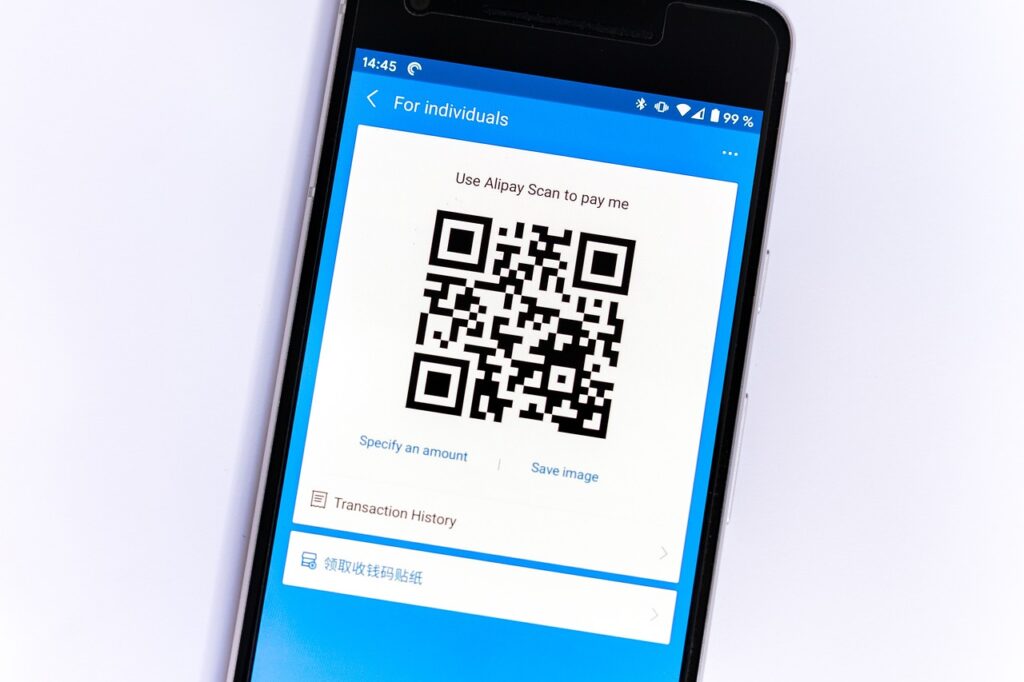
Cashless payment is not only a retail checkout habit now. For importers and exporters, it touches deposit collection, invoice matching, foreign exchange timing, refund terms, and the question every seller asks first: when will the money arrive? If you are setting up a safer trade process, start with your full Payment workflow, then choose the payment method that fits the buyer, order value, country, and risk level.
The shift is clear, but it does not look the same in every market. A buyer in Germany may still ask for bank transfer paperwork. A buyer in Brazil may be used to instant payment rails. A U.S. buyer may pay by card or wallet for samples, but still use wire transfer for a container order. Good payment planning is not about chasing every new tool. It is about getting paid with fewer surprises.
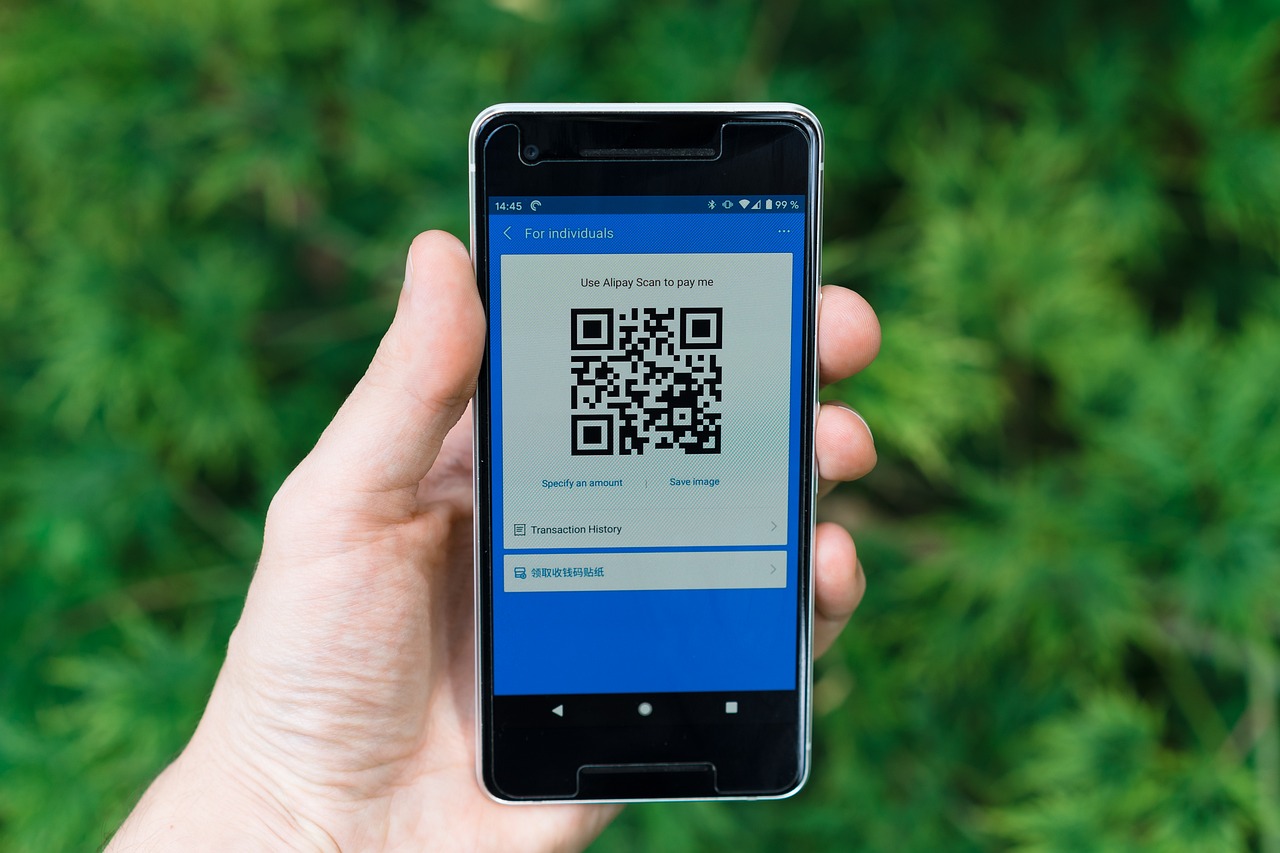
Why Is Cashless Payment Changing Global Trade?
Global trade runs on trust, speed, and proof. Cashless payment can support all three when the setup is done properly. It gives your team timestamps, payer names, transaction references, and bank trails that can be matched with invoices and shipment records. That matters when one order passes through sales, finance, freight forwarding, customs, and after-sales service.
Buyers Expect Faster Confirmation
Business buyers are used to phone-based banking and instant notices. The World Bank Group’s Global Findex 2025 report, based on 2024 survey data, reported that nearly 80% of adults worldwide had a financial account, up from 50% in 2011. It also reported that 86% of adults owned a mobile phone.
For exporters, the point is quite direct. Many buyers now expect to pay, receive confirmation, and move to the next step without waiting for long manual checks. If payment checking is slow, the supplier may look behind the market, even when the product itself is good.
Exporters Need Cleaner Payment Records
A cashless record helps your team answer basic payment questions without searching through old chat messages. Was the deposit paid? Which invoice did it cover? Did the buyer deduct a bank fee?
The BIS Committee on Payments and Market Infrastructures reported in its April 2026 brief that cashless payment volume kept rising in 2024. In emerging market and developing economies covered by the BIS data, annual cashless payments per person rose 21% to 242. In advanced economies, the level was much higher at 579 per person. This is not only consumer behavior. It also shows the payment environment that your trade partners are working in now.
Cash Still Matters in Some Corridors
Cash is not gone, and acting as if it has disappeared can create trouble. The same BIS brief noted that cash withdrawals are declining, while cash in circulation has largely stabilized.
For trade, that means cashless payment is becoming the main route, but it is not the only route. Some small buyers, agents, inland transport providers, or local inspection services may still depend on cash. A better approach is to build a cashless core and keep a clear exception policy for markets where cash still has a real role.
Which Cashless Payment Methods Fit Import and Export Deals?
No single method fits every trade deal. A $300 sample order, a $7,000 spare parts shipment, and a $120,000 machinery export need different payment logic. Match the method to value, buyer history, delivery timeline, dispute risk, and the country rules that apply.
Bank Transfers for High-Value Invoices
Bank transfer is still the main tool for many B2B export invoices. It suits larger orders because the buyer can send a deposit first, then pay the balance before shipment or against document copies.
For example, a 30% deposit and 70% balance before loading can lower your production risk while giving the buyer a clear payment trail. The weak points are bank cut-off times, intermediary fees, sender errors, and slow correction when a company name or account number is wrong.
Cards and Digital Wallets for Small Orders
Cards and wallets are useful for samples, accessories, replacement parts, and online B2B orders with lower value. Worldpay’s Global Payments Report 2026, based on more than 63,000 consumers across 42 markets, said digital wallets accounted for 56% of global e-commerce transaction value and 33% of in-store spending.
That data is consumer-focused, not pure B2B trade data, so it should be read as a market signal rather than a direct export benchmark. Still, it helps explain why more buyers expect a quick checkout for small orders.
Escrow and Platform Payments for New Buyers
When a buyer is new, escrow or platform payment can make both sides more comfortable. The buyer wants proof that goods will ship, and the seller wants proof that funds exist.
The platform may hold funds until agreed milestones are met. This can help with first orders, custom products, or marketplace sales. Read the release rules carefully, though. Some platforms favor the buyer during disputes, and evidence deadlines can be short. Keep photos, packing lists, delivery records, inspection notes, and chat records in one folder.
How Can Cashless Payment Cut Risk without Slowing Sales?
Risk control should not make every order feel like a legal case. The aim is to catch obvious problems early, while allowing normal buyers to pay and receive goods without extra pressure. A clean cashless payment setup can reduce fraud, wrong-recipient errors, and later disputes.
Clear Buyer Verification Before Shipment
Before you release goods, check the buyer name, company name, registered address, tax or business ID where available, and payment source. The Financial Action Task Force updated its guidance in 2026 to support proportionate, risk-based approaches to financial inclusion and anti-money laundering controls.
The trade lesson is simple. Not every buyer needs heavy checks, but higher-risk cases need more review. A first-time buyer asking for urgent shipment to a different country should not be treated like a long-term customer with a stable payment record.
Invoice Data That Matches the Transfer
Ask buyers to include the invoice number, proforma invoice number, or purchase order number in the payment reference. It sounds like a small admin point, but it saves real time.
If five buyers send similar amounts during the same week, a missing reference can delay order release. For container goods, the payment record should match the invoice, packing list, and consignee details. Small mismatch, big headache, and it happens more often than people admit.
Refund and Dispute Rules Set in Advance
Cashless payment makes refunds traceable, but it does not remove disputes. Set the rules before the buyer pays.
State when deposits become non-refundable, who pays return freight, how quality claims must be documented, and which fees are deducted during a refund. For card and wallet payments, chargeback risk should be included in your pricing and evidence process. For bank transfers, make it clear that bank fees and foreign exchange losses may not be refundable unless your company made the error.
What Costs Should You Check Before Choosing a Provider?
The payment method that looks cheapest on paper is not always the cheapest in real use. A provider may show a low fixed fee but make money through the exchange rate. Another provider may process fast but settle later. For trade, the real cost includes fees, FX spread, failed payment work, staff time, and cash flow pressure.
Foreign Exchange Spread and Settlement Currency
Always ask which currency will settle into your account and what exchange rate will apply. A 1.2% hidden spread on a $20,000 order costs $240.
On one order, that may look acceptable. Across 40 orders a month, it becomes serious money. If you quote in USD but pay suppliers in RMB, EUR, or another currency, the conversion timing also matters. Put currency terms on the invoice, not only in the chat. See also: Compliance.
Fixed Fees, Minimum Fees, and Chargebacks
There is no reliable universal public fee table that covers every bank, wallet, card processor, country, corridor, and merchant category. Fees change by contract, risk profile, volume, and settlement country.
So do not copy another exporter’s fee setup without checking your own case. Compare fixed fees, percentage fees, minimum monthly fees, refund fees, chargeback fees, and cross-border surcharges. For small sample orders, a fixed $15 bank fee can be worse than a card fee. For a large order, the opposite may be true.
Settlement Time and Cash Flow Pressure
Fast buyer payment does not always mean fast merchant settlement. Some providers approve a payment at once but release funds after one or several business days.
Cross-border bank transfers may also slow down because of compliance checks or intermediary banks. McKinsey’s Global Payments Report 2025 said the payments industry handled $2.0 quadrillion in value flows and 3.6 trillion transactions worldwide in 2024, showing how large and layered the system has become. Your policy should state when production starts and when goods can ship: after approval, after settlement, or after cleared funds.
How Should You Build a Cashless Payment Workflow for Export Orders?
A good workflow makes payment a normal step, not a fresh negotiation each time. Sales should not invent terms for each buyer. Finance should not chase missing references every Friday afternoon. The buyer should know what to pay, when to pay, and what happens after payment lands.
Payment Terms Written Before the Proforma Invoice
Set the terms before sending the proforma invoice. Common choices include 100% advance for samples, 30% deposit and 70% balance before shipment, or staged payments for custom equipment.
For trusted buyers, net terms may be possible, but only after credit review and internal approval. Put the payment deadline, bank account name, currency, fee responsibility, and order release condition in writing. This avoids arguments later when production is already moving.
One Record Trail from Quote to Receipt
Keep one record trail from quotation to receipt. The file should include the quote, proforma invoice, buyer purchase order, payment proof, bank receipt, commercial invoice, packing list, and shipping documents.
If the buyer later asks why shipment was delayed, the answer should be visible in the record. This also helps during audits, tax checks, insurance claims, and quality disputes.
Backup Method for Failed or Delayed Payments
Every exporter needs a backup method. Bank details may be rejected, a card may fail due to limits, or a wallet may not support the buyer’s country.
The backup could be a second bank account, a different currency account, a platform payment link, or a local collection partner. Do not add backup details casually in a message after payment fails, because fraudsters often target that moment. Use verified company channels and confirm any account change by a second method.
When Is Cashless Payment Better Than Traditional Cash?
Cashless payment is usually better when orders involve distance, documents, repeat buying, or formal accounting. It is less useful when the transaction is tiny, local, and immediate. In import and export trade, most serious orders benefit from a cashless trail because the parties rarely meet face to face.
Better for Remote Buyers and Repeat Orders
For remote buyers, cashless payment gives both sides the same record to work from. A buyer in another time zone can pay outside your office hours.
Your team can confirm the receipt, match the invoice, and release the next step. For repeat orders, saved payer details and agreed terms reduce back-and-forth communication. The second order should feel easier than the first, not like starting again.
Better for Compliance and Tax Records
Cashless payment also supports compliance and bookkeeping. Payment records can connect sales contracts, invoices, customs declarations, and bank statements.
That helps when authorities, banks, or internal finance teams ask for proof. It also reduces the risk of informal side payments, unclear discounts, or missing deposit records. Clean records are not exciting, but they are useful when a problem appears six months later.
Not Always Better for Every Market
There are still cases where cash or semi-cash habits remain part of local business. Small inspection fees, local delivery costs, or urgent warehouse labor may not fit your main cashless system.
The point is not to ban what still happens in the market. The point is to set limits, require receipts, and keep those exceptions separate from buyer payment collection. Your export invoice should not depend on a pocket-cash process.
FAQ
Q1: Is cashless payment safe for export orders? A: It can be safe when buyer verification, invoice references, cleared-funds rules, and dispute terms are written before shipment. Safety depends more on process than on the payment label.
Q2: What is the best cashless payment method for a first-time buyer? A: For small orders, card, wallet, or platform payment may work well. For larger orders, bank transfer with a deposit and balance before shipment is often more suitable. Escrow can help when trust is still new.
Q3: Should an exporter ship after receiving payment proof? A: Usually no. A screenshot or bank slip is not the same as cleared funds. Your policy should state whether shipment starts after bank confirmation, provider approval, or final settlement.
Q4: How can you reduce foreign exchange loss? A: Quote in a clear currency, state who pays bank fees, compare exchange spreads, and settle funds in the currency that best matches your supplier or cost base.
Q5: Does cashless payment replace letters of credit? A: Not completely. Letters of credit still suit some high-value or higher-risk trade deals. Cashless payment methods are often faster and simpler, but documentary trade tools may still protect both sides in complex transactions.