How Much Does Freight Shipping from China to USA Really Cost in 2026?
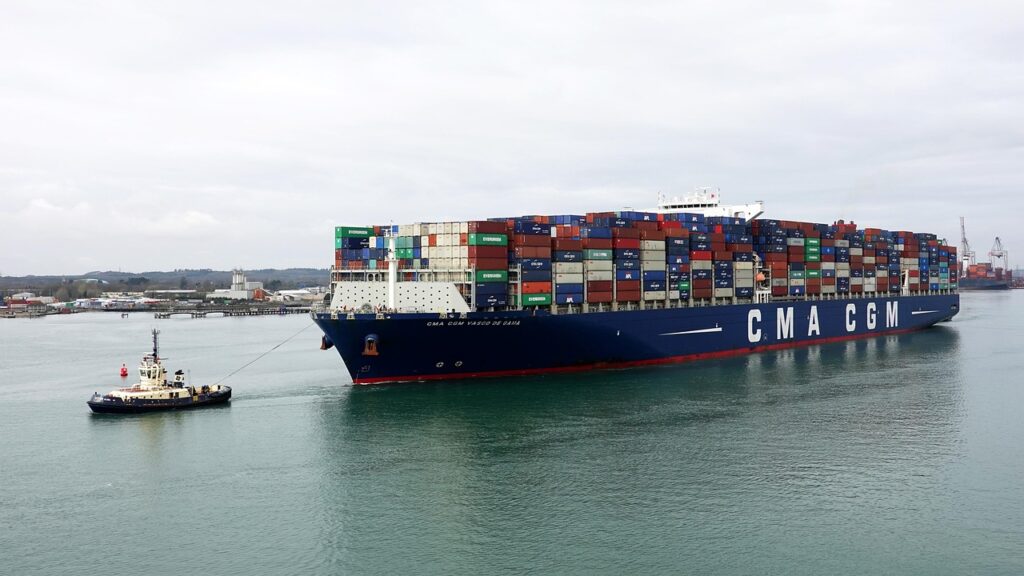
How Much Does Freight Shipping from China to USA Cost?
If you are planning freight shipping from China to USA, the cost is not just the ocean or air rate. You also need to count pickup, export handling, customs entry, duties, port fees, delivery, and sometimes storage when the schedule slips. For more basics on moving cargo across borders, the site’s Shipping section is a useful place to start.
This lane is still one of the main trade routes in the world. The Office of the United States Trade Representative reported that U.S. goods imports from China totaled $308.4 billion in 2025, even after a 29.7% drop from 2024. That volume is one reason space, rates, and customs rules can move fast when tariffs, holidays, or port delays affect the market. (ustr.gov)
Ocean Freight Is the Base Case for Most Importers
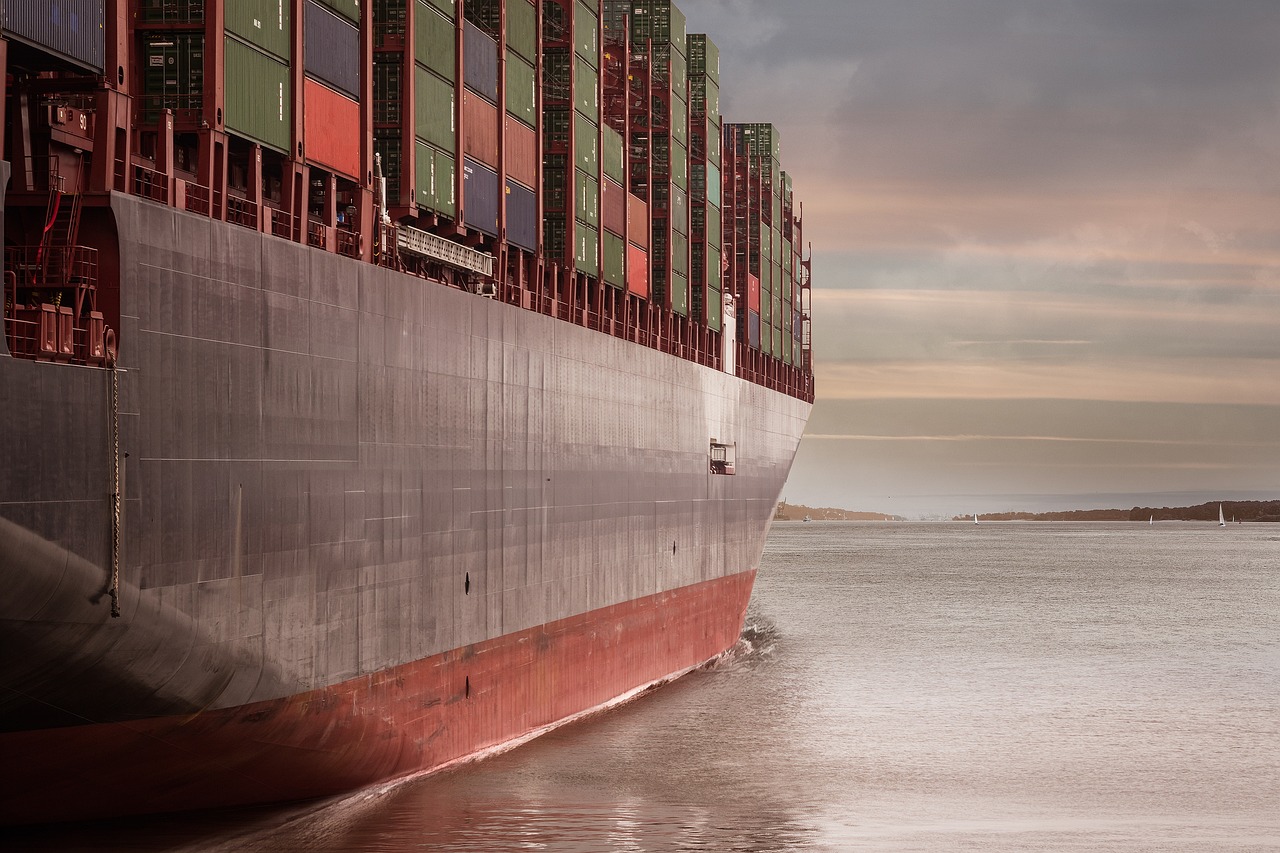
Ocean freight is usually the lowest-cost choice per unit when the cargo is not urgent. Full container load, or FCL, fits importers who can use most of a 20-foot or 40-foot container. Less than container load, or LCL, works for smaller shipments, but the handling cost per cubic meter can be high. A 12 CBM shipment may look fine at origin, then destination charges make the total less friendly. It happens often enough that buyers should check the full charge list before they book.
Air Freight Solves Urgent Inventory Gaps
Air freight costs more, but it can protect a selling window. It suits electronics, samples, replacement parts, fashion items, medical accessories, and other high-value goods where time matters. The point is to compare the cost of lost sales with the higher freight bill. If a two-week delay may bring chargebacks from a retailer, air freight may be the better answer.
Small Shipments Need Dimensional Weight Checks
Small cartons are not always cheap to ship. Carriers compare actual weight with dimensional weight, then charge whichever number is higher. A light foam product, a bulky toy set, or a large display box with empty space can cost more than expected. Before booking, ask your supplier for carton count, carton size, gross weight, and total CBM. Guessing these numbers usually leads to a bad quote.
Which Shipping Mode Fits Your Cargo Best?
Your best mode depends on volume, deadline, product value, and order pattern. A simple working rule is still useful: use ocean when you have time, use air when stockouts cost more than freight, and use courier only for samples or very small parcels.
FCL Works Best for Stable Volume
FCL gives you one sealed container from origin to destination or to a U.S. port. It is usually a good fit for regular importers with steady purchase orders. There are fewer touch points than LCL, so the chance of carton damage or missing pieces is lower. If your goods are fragile, branded, or packed for retail shelves, fewer hands on the cargo is a real advantage.
LCL Helps When Cartons Are Still Growing
LCL is useful when you are testing a product, building stock slowly, or combining orders from several suppliers. The tradeoff is consolidation time. Your cartons may wait at a China warehouse until there is enough cargo to load the container. They also need to be unloaded and sorted at the U.S. destination warehouse. Add a few buffer days, not because the forwarder is careless, but because the process has more steps.
Air Freight Fits High Value or Late Goods
Air freight is not only about speed. It can also reduce the cash tied up in inventory sitting on the water. If your goods sell quickly or have a strong margin, air can make sense for part of the order. Many importers split shipments: send 10% by air to cover early demand and 90% by ocean to keep the main cost down. It is a common setup because it works.
What Route Should You Choose from China to the USA?
The right route is not always the one with the shortest ocean leg. You need to look at the final U.S. address, port congestion, rail space, truck distance, and warehouse appointment rules. A fast vessel does not help much if the container then waits five days for a truck.
Freightos reported on June 30, 2026, that transpacific rates had risen to about $6,200 per FEU to the U.S. West Coast and about $8,000 per FEU to the East Coast, with sharp increases since mid-May. That is why routing should be checked near booking day, not copied from last quarter’s shipment. (freightos.com)
West Coast Ports Save Ocean Days
Los Angeles, Long Beach, Oakland, Seattle, and Tacoma are common choices for goods made in South China, East China, and North China. West Coast routing usually saves ocean transit days compared with an all-water East Coast service. It can work well for cargo going to California, Nevada, Arizona, or some Midwest warehouses by rail. The inland leg still needs checking, especially when rail or drayage space is tight.
East Coast Ports Reduce Domestic Trucking
New York and New Jersey, Savannah, Charleston, Norfolk, and Houston may be better for cargo going to the East Coast, Southeast, or Gulf region. The ocean leg is longer, but inland freight may be lower. A warehouse in New Jersey does not gain much from a quick arrival in Los Angeles if the rail move and final drayage add cost and pressure. For some importers, the longer water route gives a cleaner landed cost.
Inland Delivery Can Change the Winner
Always compare the full door-to-door number. A port-to-port quote can hide the costly part, which is U.S. domestic delivery. For Amazon FBA, big-box retail DCs, or strict appointment warehouses, the final mile needs planning before the container arrives. Missed appointments may create waiting time, storage, and rescheduling fees. These charges look small on paper until they hit the P&L.
What Documents and Customs Details Matter Most?
Customs clearance is where many freight issues turn into cost issues. You can have a fair freight rate and still lose time if the invoice is unclear, the HTS code is wrong, or the consignee details do not match. Clean paperwork is plain work, but it keeps cargo moving.
Commercial Invoice Data Must Match
Your commercial invoice should show seller, buyer, product description, quantity, unit value, total value, currency, Incoterms, country of origin, and packing details. The packing list should match carton count, gross weight, net weight, and CBM. If the invoice says 300 cartons and the packing list says 320, someone will ask questions at the worst time. It is better to fix that before the goods leave the factory.
HS Codes Drive Duty and Risk
HS and HTS codes affect duty, tariffs, admissibility, and possible inspections. Do not let a supplier choose a code only because it shows a lower rate. Suppliers know the product, but U.S. importers carry the responsibility for entry accuracy. For products with batteries, wood, textiles, food contact materials, or children’s use, confirm the code and compliance rules before the goods leave the factory. A small code mistake can become a duty bill, a delay, or both.
De Minimis Is Not a Simple Shortcut
For China and Hong Kong products, U.S. Customs and Border Protection announced that the administrative de minimis exemption under 19 U.S.C. 1321(a)(2)(C) would not apply to certain shipments arriving on or after May 2, 2025, and ineligible clearance requests would be rejected. If your plan depends on low-value parcel rules, check the current legal position before shipping. This is not an area to handle by old habit, because parcel rules can change faster than normal purchase cycles. (content.govdelivery.com) See also: Compliance.
How Can You Lower Risk Before Booking?
Most freight risk starts before the cargo is booked. You reduce it by setting terms clearly, checking packaging, leaving enough time, and asking for a quote that shows the full route. A rushed booking can still arrive on time, but it usually gives you fewer choices.
Incoterms Decide Who Controls the Freight
EXW, FOB, CIF, DAP, and DDP are not just trade words. They decide who pays which costs and who controls each step. For many U.S. importers, FOB China port is a balanced choice because the supplier handles local export work while you control the main freight and the U.S. side. DDP may look simple, but you should know who is importer of record and how duties are handled. If that part is unclear, the cheap quote may not be as safe as it looks.
Packaging Protects Margin Better Than Discounts
Cheap packaging can remove the margin you worked hard to protect. Ask for export cartons, pallet rules if needed, moisture protection, drop-test notes for fragile items, and clear marks on each carton. Ocean containers can face humidity, vibration, and rough handling. A few extra dollars for stronger cartons often costs less than dealing with crushed retail boxes later. This is especially true for goods that go straight to retail or Amazon FBA.
Booking Early Gives You Better Choices
Book earlier before Chinese New Year, Golden Week, back-to-school season, and holiday retail peaks. Two to three weeks of lead time for ocean booking is safer than a last-minute request. During rate spikes, carriers may favor higher-paying cargo or roll containers to the next vessel. Early booking does not solve every problem, but it gives you time to adjust if space changes.
What Should a Good Freight Quote Include?
A good freight quote should be clear and a little boring. You need origin, destination, cargo details, mode, Incoterm, transit estimate, validity date, and every main charge. If a quote is only one low number with no charge breakdown, treat it as unfinished.
The Baltic Exchange FBX guide identifies FBX01 as the China/East Asia to North America West Coast 40-foot container index and FBX03 as the China/East Asia to North America East Coast 40-foot container index. For importers, this means market benchmarks usually track 40-foot equivalent container moves, so a small LCL shipment or a special container will not match the index exactly. (balticexchange.com)
Origin Charges Need Line by Line Checks
Origin charges may include pickup, export customs, warehouse handling, document fees, terminal handling, and local port fees. Under FOB, some of these costs stay with the supplier. Under EXW, many of them move to you. Ask the forwarder to state which Incoterm the quote uses, then compare it with the supplier’s sales contract. This simple check avoids many later arguments.
Destination Charges Can Surprise New Importers
Destination charges can include terminal handling, customs entry, bond, duty, merchandise processing fee, harbor maintenance fee for ocean imports, exam fees, storage, demurrage, chassis, pre-pull, and final delivery. Not every shipment has every charge. Even so, the quote should say what is included and what is billed only if it happens. New importers often focus on the ocean rate, but the destination side can change the landed cost quickly.
Transit Time Should Include the Whole Chain
Port-to-port transit is not door-to-door transit. Add supplier pickup, export handling, sailing wait, U.S. discharge, customs clearance, possible exam, rail or truck transfer, warehouse appointment, and unloading. The World Bank’s 2023 Logistics Performance Index measures border processes, infrastructure, international shipments, logistics services, tracking, and timeliness across 139 economies, which is a useful reminder that freight speed depends on many connected steps, not the vessel alone. (worldbank.org)
FAQ
Q1: What Is the Cheapest Way to Ship Freight from China to USA? A: Ocean freight is usually the cheapest option for medium and large shipments. LCL works for smaller cargo, while FCL gives a better unit cost when volume is high enough.
Q2: How Long Does Freight Shipping from China to USA Take? A: Ocean freight often takes several weeks door to door, depending on the port pair and inland delivery. Air freight moves much faster, but customs and final delivery still need time.
Q3: Is FOB or EXW Better for Importing from China? A: FOB is often easier for U.S. importers because the supplier handles China-side export steps to the named port. EXW gives you more control, but it also gives you more China-side costs and tasks.
Q4: Why Does a Freight Quote Change So Quickly? A: Rates can change because of vessel space, fuel, tariffs, port congestion, peak season demand, and carrier surcharges. Always check the quote validity date before sending payment.
Q5: What Should You Prepare Before Asking for a Quote? A: Prepare product name, HS code if available, carton count, dimensions, gross weight, total CBM, supplier address, ready date, destination address, Incoterm, and any special handling needs.