How Can You Find Reliable Chinese Shoe Suppliers for Your Import Business?
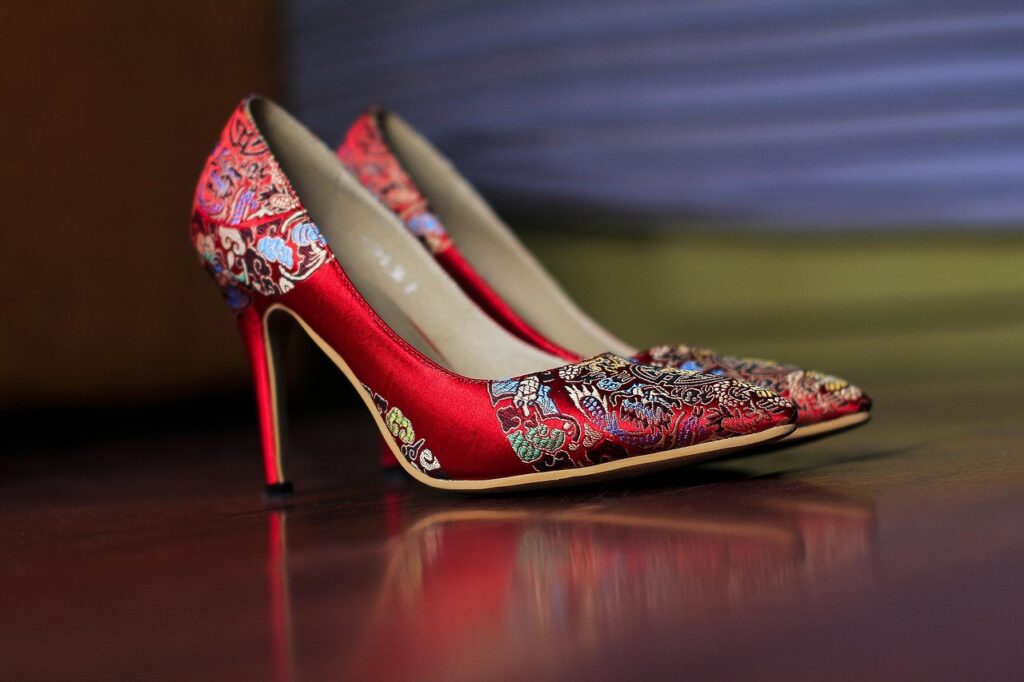
If you source footwear for retail, wholesale, private label, or ecommerce, chinese shoe suppliers can offer many styles, materials, price levels, and order sizes. Finding names is not the hard part. The real work is choosing the right partner before you have money, molds, and a selling season tied up. For more supplier sourcing ideas, you can also browse the Suppliers section.
The market is big, but a big market does not make every factory suitable for your order. APICCAPS reported in its World Footwear Yearbook 2025, using 2024 data, that global footwear production reached 23.9 billion pairs, with Asia making 88% of world output. China produced about 13 billion pairs and held just over 54% of global production. That is why buyers keep going back, but it also means you need a simple way to separate good suppliers from sales talk.
Why Do Chinese Shoe Suppliers Still Matter for Importers?
China is no longer the only choice for every footwear buyer. Vietnam, Indonesia, India, and Cambodia are now part of many sourcing plans. Even so, China is still hard to leave out when buyers need quick sampling, flexible materials, small changes between sample rounds, and a full supply chain in one country.
Scale That Supports Many Order Sizes
According to the APICCAPS World Footwear Yearbook 2025, China exported about 9.203 billion pairs of shoes in 2024, equal to 62.2% of global footwear export volume. The same report placed Vietnam second with 10.7%. That gap is not small. For an importer, it gives more room to source sneakers, sandals, slippers, boots, safety shoes, kids’ shoes, and casual shoes without rebuilding the whole supplier list for every category.
Category Depth Across Footwear Types
Many Chinese regions still have clear footwear strengths. Wenzhou is known for leather shoes, fashion shoes, and dress shoes. Jinjiang and Quanzhou are strong in sports shoes, EVA slippers, soles, fabrics, and shoe materials. Guangdong is often a good fit for fashion-led casual footwear and export service. One point is worth checking early: if a supplier is far from the material cluster your product needs, sample changes can take longer and cost more.
Export Experience Built Into the Supply Chain
The United States International Trade Commission reported in its 2024 Trade Shifts data that U.S. general footwear imports from China were valued at about 9.785 billion U.S. dollars, or 35.8% of selected partner imports. This does not mean every buyer should choose China first. It does show that Chinese factories, forwarders, testing labs, carton makers, and trading companies already handle export routines every day. That experience can save time when orders involve testing, labeling, booking, and customs documents.
Which Chinese Shoe Supplier Type Fits Your Product?
Before you send a request for quotation, decide what kind of supplier you actually need. A factory, a trading company, and a sourcing agent may all call themselves a shoe supplier, but they do not solve the same problem.
Factories for OEM and Private Label
Choose a factory when your design is clear, your order plan is steady, and your technical files are ready. A real OEM factory can talk through lasts, molds, outsole compounds, stitching density, glue, size grading, and production capacity. If you need your own outsole mold, ask who owns it after payment. Put that answer in the contract, because this small line can avoid a hard argument later.
Trading Companies for Mixed Styles
A trading company can help when you need many styles in lower quantities. For example, a boutique chain may want 12 women’s sandal styles, 6 kids’ canvas styles, and a seasonal slipper range. One factory may not accept that many SKUs in small runs. A good trading company can collect styles from several factories and handle export paperwork, but the unit price may be higher, so check what service is included.
Cluster Specialists for Faster Sourcing
Cluster-based suppliers can save time because they are close to materials, accessory vendors, sole makers, and subcontractors. Zhejiang’s official provincial portal reported in July 2023 that Wenzhou had more than 5,000 shoe manufacturing companies, over 500,000 workers in the sector, 2022 footwear output above 1.8 billion pairs, and exports above 30 billion yuan. Jinjiang government information published in April 2025 also stated that Jinjiang International Shoe and Textile City recorded 49.5 billion yuan in 2024 market transactions and 29.9 billion yuan in foreign trade exports. These numbers explain why the right cluster can make sourcing faster and sample changes easier.
How Should You Check a Supplier Before You Pay?
Supplier checking is not exciting work, and it often feels slow. Still, this is where many import problems begin. A good-looking sample and a polite sales reply do not prove production control, export skill, or stable finances.
Business License and Export Record Checks
Ask for the Chinese business license, English company name, Chinese company name, registered address, and bank account name. The bank beneficiary should match the company you sign with. If the supplier says it is a factory, request a factory address, production photos with date markers, and a short video showing cutting, stitching, lasting, and packing lines. A showroom video by itself is not enough proof.
Sample Review With Measurable Specs
Do not approve a shoe sample with only comments like looks good or nice quality. Write down measurable points: outsole thickness, upper material weight, insole foam density, color code, heel height, logo size, lace length, size run, carton quantity, and pair weight. Shoes do have an emotional side at retail, but factories still need numbers. Clear numbers also make later inspection much easier.
Audit, References, and Small Trial Orders
For repeat business, use a factory audit or at least a video call through the workshop. Ask for export market references by region, not brand names if confidentiality is a concern. If the schedule allows, place a small trial order before scaling up. A 300-pair or 500-pair run can show more about the factory than a perfect sample sitting in a showroom.
What Should You Put in a Shoe RFQ?
A vague RFQ usually brings vague prices. If you send only please quote women’s sneakers, suppliers may quote different materials, different soles, different packing, and different inspection levels. Then the lowest price may look attractive for the wrong reason.
Materials, Lasts, and Size Runs
List the upper, lining, insole, outsole, lace, thread, eyelet, zipper, and glue requirements. State whether you will use an existing last or need a new one. For size runs, include the ratio, such as EU 36 to 41 with more pairs in 38 and 39. This changes material use, packing, and final cost.
Packaging, Labels, and Carton Marks
Ask suppliers to quote the product price with the exact packaging method. A color box, tissue paper, hang tag, silica gel pack, barcode label, warning label, and master carton all add cost. This is not a small office detail. It is the kind of thing warehouse staff will notice right away if it is missing during a busy delivery week.
Incoterms, Payment Terms, and Lead Time
State whether you need EXW, FOB, CIF, or DDP pricing. Many importers compare EXW from one supplier with FOB from another and think they have found a better deal. Write payment terms in plain language as well. A common setup is deposit before production and balance after inspection but before shipment. For lead time, separate sample time, mold time, production time, and packing time.
How Can You Control Quality Before Shipment?
Shoe quality problems often sit in small details: weak glue, uneven stitching, color shade drift, size mismatch, poor box printing, or wrong carton marks. You want to find these problems before the goods leave the port, not after your retailer opens the first carton. See also: Compliance.
Golden Sample and Sealed Color Standard
Approve one golden sample and keep it sealed. The supplier should keep the same reference on their side. For colors, use Pantone codes or physical swatches, because screen colors are not reliable enough. If the outsole is white, specify the shade and anti-yellowing requirement, since white soles can change quickly under poor storage.
In-Line Checks for Glue, Stitching, and Sizing
Ask for in-line photos or arrange an inspection when production reaches 20% to 30%. At that stage, the factory still has time to fix problems. Check bonding, toe shape, logo placement, sockliner printing, size labels, pair matching, and flex points. A final inspection alone may be too late if the same defect has already run through the whole lot.
Final Inspection Using AQL Logic
Use a final random inspection before balance payment. Many importers use AQL sampling, with critical, major, and minor defect limits. Your checklist should include appearance, measurement, fit, color, odor, metal detection if needed, barcode scan, carton drop condition, and packing accuracy. No inspection plan catches everything, but a written checklist is still better than telling the supplier to check quality carefully.
What Compliance and Shipping Issues Need Early Attention?
Compliance should start before sampling. If you wait until goods are packed, label changes, test failures, and document fixes can cost more than expected. The rules depend on your sales market, product type, material, and age group.
HS Code, Duties, and Country Rules
Footwear classification often depends on upper material, outsole material, sports use, waterproof design, and whether the shoe covers the ankle. Wrong classification can change duty rates and delay customs entry. Ask your customs broker to confirm the HS code before mass production. This is especially important when mixed materials are used.
Children’s Shoes and Restricted Substances
The U.S. Consumer Product Safety Commission states that children’s products must be tested by a CPSC-accepted third-party lab for applicable federal safety rules. For the EU, the European Commission describes REACH as the main law controlling chemical risks, with restrictions that can apply to textile and leather articles, including footwear that contacts skin. In simple terms, your supplier should know the testing needs before buying bulk materials. If they learn it after production, the fix can be slow and expensive.
Freight Plan, Cartons, and Seasonal Buffers
Shoes take space in a container. A cheap pair can become costly if the carton is bulky, weak, or poorly packed. Ask for carton dimensions early and let your forwarder calculate CBM. For seasonal goods, add time for factory peak months, Chinese New Year, port congestion, and testing. Importing snow boots after winter has already started is not a plan; it is just stress with invoices.
How Do You Build a Long-Term Supplier Relationship?
A good supplier relationship does not come from pushing the lowest price on every order. Footwear margins can be tight, and factories may quietly change materials if the price pressure is not realistic. A better working style is clear instructions, fair targets, and steady feedback.
Clear Forecasts and Repeatable Tech Packs
Send forecasts by season, even when they are not firm orders. Factories can plan materials and line capacity better when they see what may come next. Keep tech packs consistent from style to style. If every new style uses different wording and different measurement rules, the chance of mistakes goes up.
Fair Cost Reviews Instead of Hard Bargaining
Ask for a cost breakdown when prices rise: upper, outsole, labor, packaging, testing, inland transport, and margin. Then discuss which parts can be changed without hurting the product. Maybe the box can be simpler. Maybe the insole should stay the same because comfort matters more to your customer. This kind of cost talk usually works better than demanding a random 10% cut.
Backup Suppliers Without Burning Trust
You should have backup suppliers, especially for key categories. At the same time, do not use one factory’s sample to push another factory into copying it without context. It damages trust and may create intellectual property issues. Keep two or three qualified options, share honest volume expectations, and protect your own designs with clear contracts.
FAQ
Q1: What Is a Good MOQ for Chinese Shoe Suppliers? A: It depends on the shoe type and material. Existing styles may start around a few hundred pairs per color, while custom molds, private label sneakers, or special outsoles often need higher quantities. Always ask whether the MOQ is per style, per color, or per size run.
Q2: Should You Choose a Factory or a Trading Company? A: Choose a factory for steady private label orders and closer product control. Choose a trading company when you need many styles, mixed categories, or help coordinating several factories. The right choice depends on your order pattern, not price alone.
Q3: How Long Does Shoe Production Usually Take? A: Existing designs may take around 30 to 45 days after sample approval and deposit. New molds, new lasts, or special materials can add several weeks. Holiday seasons and factory peak periods can also stretch the timeline, so confirm dates before taking retail orders.
Q4: How Can You Reduce Quality Problems? A: Use a detailed tech pack, approve a golden sample, check materials before bulk production, arrange in-line inspection, and hold final payment until goods pass inspection. Written standards work better than casual chat messages.
Q5: Are Chinese Shoe Suppliers Still Competitive in 2026? A: Yes, for many buyers. China still offers large capacity, strong material clusters, export experience, and flexible product development. The best result comes when you match the supplier’s real strength with your product, compliance needs, and sales plan.