Is Nanjing Shipping the Smartest Route for Yangtze River Exporters?
Why Does Nanjing Shipping Matter for Importers and Exporters?
If you sell from Jiangsu, Anhui, or other cities along the Yangtze River belt, nanjing shipping is more than a nearby port option. It affects inland trucking cost, customs timing, cargo handling, and the delivery date you give to an overseas buyer. For more route planning ideas, you can also visit the Shipping section and compare Nanjing with other China export gateways.
A River Port with Ocean Reach
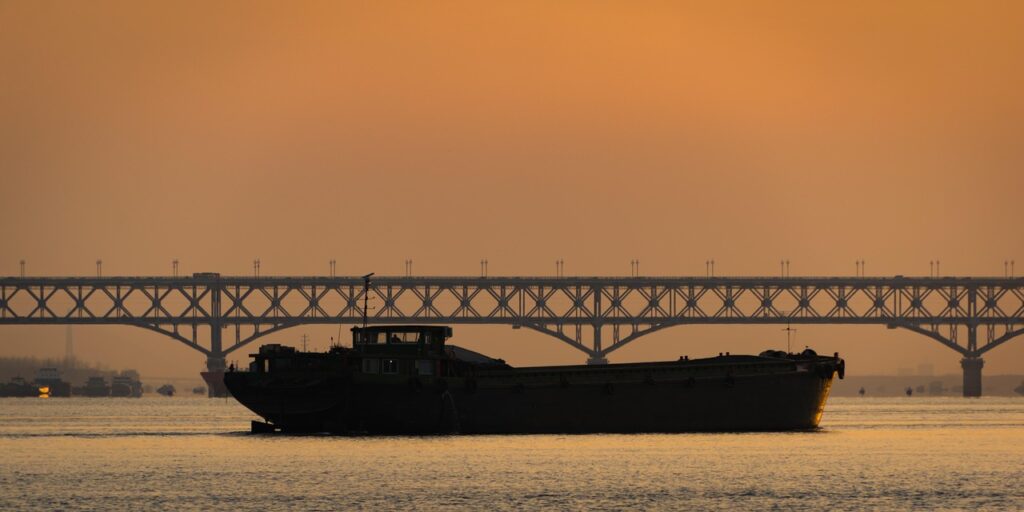
Nanjing is inland, but it is not a small local wharf. Nanjing Port Group reported 122 million tons of cargo throughput and 3.891 million TEU of container volume in 2025. The group also lists Xinshengwei, Longtan, Qiba, and Yizheng as key operating areas, with services covering containers, dry bulk, oil and chemicals, roll-on roll-off cargo, and rail-water links. This matters because many exporters do not ship only tidy cartons. A normal factory order may include machines, wooden cases, spare parts, and several odd-size pallets that no one wants to repack twice. (njp.com.cn)

A Manufacturing Base Close to the Quay
The port’s value comes from the area behind it. Jiangsu’s foreign trade reached RMB 5.62 trillion in 2024, up 7% year on year, according to Nanjing Customs data released by the Jiangsu provincial government. Exports were RMB 3.65 trillion, while imports were RMB 1.97 trillion. Mechanical and electrical goods took a large share of exports, and ship exports also grew strongly in the same year. In plain terms, Nanjing shipping serves a province with real export volume, not a weak cargo market trying to fill vessel space. (js.gov.cn)
A Practical Fit for Mid-Sized Cargo
For many shippers, the main reason to use Nanjing is simple cost and control. If cargo loads near Nanjing, Changzhou, Wuhu, Maanshan, or Hefei, moving it first to Nanjing can cut a long truck trip to a coastal terminal. You may still connect later to Shanghai, Ningbo, or an overseas mainline service, but the first move is easier to manage. Fewer road kilometers can mean fewer loading photos to chase, fewer driver calls, and less risk that one case gets wet during a roadside stop. That small point becomes serious when the buyer is waiting for serial-numbered equipment.
Which Cargo Moves Well Through Nanjing?
Nanjing works best when the cargo type and the route fit the port. Price should not be the only check. A low freight quote can still turn into a bad choice if the terminal, sailing plan, or truck route does not suit the shipment.
Containerized General Cargo
Cartons, palletized components, furniture parts, tools, and consumer goods often move well by standard container. If your supplier can load a full container load, the main choice is direct trucking to Nanjing, feeder service, or a coastal port move. For less-than-container cargo, consolidation needs to be checked early. Not every warehouse cut-off fits every inland shipper, and missing one cut-off can cost more than the rate you saved on paper.
Machinery and Vehicles
Heavy machinery, construction vehicles, and large equipment are common cargo types for Nanjing. On June 5, 2026, Nanjing’s municipal government reported that the vessel Green Vitoria left Longtan Container Terminal for Houston and Brunswick, carrying more than 400 construction vehicles and related parts. The cargo volume was about 18,000 cubic meters, with a reported foreign trade value of USD 14.7 million, and the voyage was expected to take about 40 days. This case shows that an inland Yangtze gateway can support direct long-haul export cargo when the shipment size, service, and port plan are matched properly. (nanjing.gov.cn)
Bulk, Breakbulk, and Chemicals
Nanjing is also useful for cargo that does not fit the usual retail-container model. Dry bulk, minerals, fertilizer, oil products, chemical cargo, and breakbulk lots need terminal know-how, not only a container rate. If you ship chemicals, the booking should start with the proper name, hazard class, packing group, MSDS, and Chinese dangerous goods documentation. If you ship breakbulk, ask about lifting points, center of gravity, lashing material, and whether the cargo can stay outside during a short wait. These questions are basic, but they often prevent extra cost later.
How Should You Choose Between Nanjing and Shanghai?
The Nanjing versus Shanghai choice is not about one port being better all the time. It is a routing decision. Cargo origin, vessel schedule, destination, equipment supply, and the buyer’s deadline should decide the port.
Nanjing for Inland Pickup
Choose Nanjing when inland pickup is the main cost and risk. If the factory is close to the Yangtze River, a Nanjing move can shorten the truck leg and make factory loading easier to control. This helps with machinery, batteries, chemicals, oversized cases, and cargo that needs clear photos before sealing. It can also help when a supplier cannot load late at night, because the truck does not need to rush to a far coastal cut-off.
Shanghai for Mainline Frequency
Choose Shanghai when mainline frequency, carrier choice, and global service coverage matter more. Shanghai handled more than 55.06 million TEU in 2025 and ranked as the world’s busiest container port for the 16th straight year, according to Shanghai government information. That scale gives shippers more sailing choices, especially for long-haul container routes. For urgent retail goods, promotional cargo, or orders with a tight delivery window, Shanghai may still be the safer mainline gateway. (english.shanghai.gov.cn)
Combined Routing for Better Control
Many exporters do not need a pure Nanjing route or a pure Shanghai route. A combined plan can work better: load near the factory, move through Nanjing by river or feeder, then connect with an ocean vessel at Shanghai or another coastal hub. This can reduce inland pressure while keeping access to mainline sailings. Ask the forwarder to show the full path, not just the port name on the quotation. The port name by itself only tells part of the job.
What Documents and Customs Details Need Early Attention?
Shipping problems often start before the truck reaches the factory. For Nanjing exports, documents should be checked while the goods are still in the warehouse. Once cargo is already at the terminal, every correction costs more time and usually more money.
Product Codes and Trade Terms
Start with HS codes, product descriptions, material details, and declared value. A loose description such as machinery parts can slow customs review if the product has licensing, inspection, or tariff questions. The invoice should match the sales contract, packing list, and customs declaration. Trade terms also need to be written clearly. FOB Nanjing, FOB Shanghai, CFR, CIF, DAP, and DDP create different cost lines and risk points. If the buyer says just handle shipping, ask them to define it in writing.
Booking Data and Cargo Marks
The carrier or forwarder will need shipper data, consignee data, notify party, cargo name, gross weight, package count, volume, and container type. Cargo marks should match the packing list and the actual packages. For container cargo, the verified gross mass must be ready before the terminal cut-off. For machinery, add model numbers and serial numbers where needed. The warehouse team should not be chasing a missing gross weight at 5 p.m., so collect it early.
Certificates and Special Licenses
Some shipments need more than an invoice and packing list. Wooden packaging may need ISPM 15 marks. Batteries may need test summaries and transport documents. Chemicals may need an MSDS, dangerous goods packing certificate, and port approval. Used equipment, medical items, food-contact goods, and dual-use products can trigger extra checks. If there is no reliable public data for your exact item, do not guess. Ask a licensed customs broker to review the product before booking. See also: Compliance.
How Can You Cut Delays in Nanjing Shipping?
Delays usually come from weak planning, unclear cargo data, or local operating conditions. Nanjing has strong port capacity, but a port cannot fix a late document, a wrong seal number, or a bad weather day on the river.
Realistic Lead Time Planning
Build the timeline backward from the factory. Include production finish, quality check, packing, truck booking, customs declaration, terminal cut-off, vessel departure, transshipment, and destination clearance. For many normal export jobs, booking space several days before cargo is ready is safer than waiting for the final carton count. If the cargo is oversized, dangerous, refrigerated, or high value, start earlier. No reliable public source gives one average dwell time for every Nanjing shipment, so treat any simple internet number with care.
Clear Cargo Photos and Packing Lists
Good photos can stop small disputes before they grow. Take photos of the goods, inner packing, outer packing, marks, container loading, seal, and final closed-door view. Packing lists should show package dimensions if the cargo is large or mixed. When a buyer asks why the shipment used a 40-foot high cube instead of a 20-foot container, the numbers should explain it. The same habit also helps with insurance claims, customs questions, and destination unloading.
Weather and River Traffic Checks
The Yangtze River is a useful route, but it is still an active waterway. In the June 2026 Green Vitoria case, Nanjing authorities noted that the local river section had entered flood season, with complex hydrological conditions, a Xiaguan water level above 7 meters, and Datong section flow of 46,900 cubic meters per second. Large ocean-going vessel berthing and departure required close safety support. For your shipment, route planning should include weather, water levels, and terminal notices, not only freight price. (nanjing.gov.cn)
What Should Your Forwarder Tell You Before Booking?
A good forwarder should give you a route you can explain to your buyer. If the answer is only trust us, ask for details. A clear plan is easier to sell, track, and adjust when something changes.
Route, Cutoff, and Transit Plan
Ask for the loading port, discharge port, transshipment port if any, terminal name, cut-off time, estimated departure, estimated arrival, free time, and sailing frequency. If Nanjing connects with Shanghai or another hub, ask how that connection is done. Is it feeder, barge, rail, or truck? Is the connection fixed, or can it be rolled? These questions sound simple, but they decide whether your buyer gets a useful shipping schedule or only a neat PDF with weak details.
Local Charges and Risk Points
Ask for a charge sheet that separates trucking, terminal handling, documentation, customs declaration, seal, VGM, inspection, dangerous goods fees, storage, demurrage, and destination charges where available. For cargo with special handling, ask who pays if the terminal requests extra lashing or a crane plan. A cheaper quote with hidden local charges is not really cheap. It is just quiet at the start.
Backup Plan for Peak Weeks
Global shipping can change fast. UN Trade and Development reported in its Review of Maritime Transport 2024 that more than 80% of world trade volume moves by sea, and global maritime trade grew 2.4% to 12.3 billion tons in 2023. The same report noted that disruptions around key routes raised vessel ton-mile demand and container ship demand. For Nanjing shipping, the practical point is clear: keep a backup route, especially before holidays, trade-show deadlines, or seasonal retail launches. (unctad.org)
FAQ
Q1: Is Nanjing Shipping Better Than Shanghai for Every Exporter? A: No. Nanjing is often better for inland cargo near the Yangtze River, heavy equipment, and shipments that benefit from shorter trucking. Shanghai may be better when you need more mainline sailings and wider carrier choice.
Q2: Can Nanjing Handle International Ocean Shipments? A: Yes. Nanjing has international links, river-sea services, and examples of direct long-haul export cargo. The right answer depends on cargo type, destination, vessel availability, and booking timing.
Q3: What Is the Main Risk in Nanjing Shipping? A: The main risk is not the port name. It is poor planning. Late documents, unclear cargo data, weather, river conditions, and weak transshipment plans can all cause delay.
Q4: Should You Use FOB Nanjing or FOB Shanghai? A: Use FOB Nanjing if the seller can control local delivery and export handling there. Use FOB Shanghai if the buyer or forwarder wants direct access to Shanghai mainline services. Always define the named port clearly in the contract.
Q5: How Early Should You Book a Nanjing Shipment? A: Book as soon as cargo details are stable. Standard containers may need only a normal booking window, but dangerous goods, oversized cargo, vehicles, and breakbulk should start earlier because approvals and handling plans take time.


