China to Bangladesh shipping cost in 2026 by sea, air and landed cost

China to Bangladesh shipping cost in 2026
As of October 16, 2026, a realistic budget for china to bangladesh shipping cost should separate the freight rate from the full landed cost. Public spot-rate pages and freight calculators visible in October 2026 showed China to Chattogram 20ft container quotes broadly around US$2,500 to US$4,700, depending on origin, carrier, schedule and quote validity. Some forwarder pages showed 40ft or 40HQ sea freight around US$3,000 to US$3,600, but live space and equipment availability can move that number quickly.
LCL sea freight is often quoted by CBM, while air freight is quoted per chargeable kilogram. These figures should not be treated as customs-paid delivered prices unless the quote clearly says so. Importers still need to budget for origin charges, destination handling, port and CFS fees, insurance, customs duty, VAT, advance taxes, documentation and inland delivery.
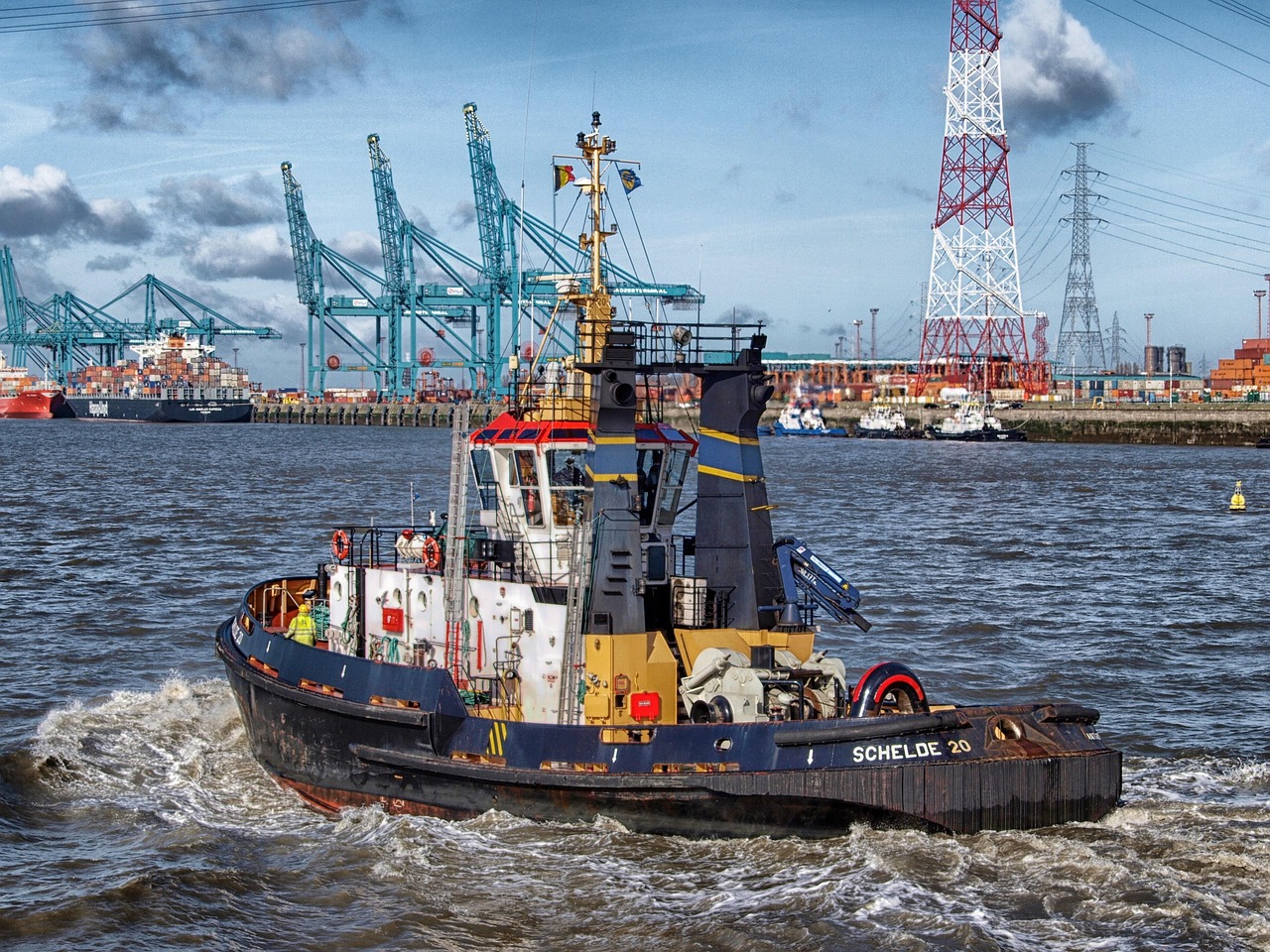
The key issue is not one headline rate. It is whether the quote covers the same movement: factory to Chinese port, port to Chattogram, arrival at Dhaka airport, customs clearance, or final delivery in Bangladesh. For more shipping route explainers and market notes, see the Dumbopus Shipping section.
Indicative rate snapshot by shipping mode
The table below is for budgeting, not booking. It combines publicly visible October 2026 rate pages with standard freight-cost logic. Online calculators can update monthly, and some entries may have ambiguous origin labels, short validity windows, or excluded local charges. Before confirming production dates, payment terms or customer pricing, ask a forwarder to provide a same-day all-in quote on the exact scope.
| Mode | Indicative 2026 cost signal | Typical transit signal | Best fit | Main caution |
|---|---|---|---|---|
| FCL 20ft to Chattogram | About US$2,500 to US$4,700 on visible spot pages, depending on Chinese origin and carrier | Roughly 10 to 40 days in public schedules and quote pages | Medium-volume shipments, heavier cargo, lower handling risk than LCL | Destination charges, free time and port costs may not be included |
| FCL 40ft or 40HQ | Some forwarder pages showed around US$3,000 to US$3,600 for October 2026, but live rates must be reconfirmed | Often similar to 20ft on the same service | High-volume cargo where cost per CBM matters | Equipment availability and space can change quickly |
| LCL sea freight | Often quoted by CBM; public pages showed around US$70 per CBM as a line-haul signal, while all-in small-lot quotes can be higher | Commonly 2 to 4 weeks, depending on consolidation and destination handling | Small orders that do not justify a full container | CFS, documentation and minimum charges can make small shipments expensive |
| Air freight to Dhaka | Large airport-to-airport rates may look low per kg, while Bangladesh door-to-door consolidators often publish much higher BDT per kg starting rates | Several days for airport movement; longer if customs and delivery are included | Urgent, valuable, seasonal or lightweight goods | Chargeable weight, commodity restrictions and customs scope must be checked |
| Courier or express | Usually quoted per kg, with fuel, remote-area and customs-related items handled separately or bundled | Usually the fastest practical option for samples and documents | Samples, replacement parts and small parcels | Not economical for bulky commercial cargo |
Why China to Bangladesh quotes vary so much
Two importers can ask for the same route and receive very different prices. Origin is usually the first reason. Shanghai, Ningbo, Shenzhen, Nansha, Guangzhou, Xiamen, Tianjin and inland Chinese origins do not have the same trucking cost, feeder availability or carrier options. A quote from a coastal port may look attractive, but the factory may still need domestic trucking, export handling and customs declaration before the international leg begins.
The second reason is the Bangladesh arrival point. Many sea quotes still use the older name Chittagong, while Chattogram is the current official name used for the main seaport and port code BDCGP. Air cargo is usually priced to Dhaka airport. If the buyer needs delivery to Dhaka, Gazipur, Narayanganj, Chattogram city, an EPZ or a warehouse outside the port area, that inland leg should be shown separately.
Cargo shape and density also change the price. Ocean LCL is normally measured by CBM and often has minimum charges. Air freight is based on chargeable weight, meaning the airline or forwarder bills the higher of actual gross weight and volumetric weight. For bulky but light goods such as foam products, plush toys, lampshades or display materials, chargeable weight can be much higher than scale weight.
Commodity risk is another driver. Batteries, liquids, powders, magnets, chemicals, food, cosmetics, branded goods and regulated products can require special handling, documentation, testing or permits. Even when the international freight line looks low, customs or compliance costs can dominate the final landed cost.
Freight cost versus landed cost
A common mistake is to compare only the ocean or air freight line. Import profit depends on landed cost, not freight alone. A practical formula is:
Landed cost = product cost + China origin charges + international freight + insurance + Bangladesh destination charges + duties and taxes + customs clearance + inland delivery + financing and delay costs.
Bangladesh Customs and the National Board of Revenue require import declarations after the Import General Manifest is submitted. The importer or nominated C&F agent files the Bill of Entry through the customs system, and release follows after assessment and payment of duties and taxes. For general imports, Bangladesh Customs lists core documents such as letter of credit, invoice, bill of lading or air waybill, packing list, certificate of origin where applicable, insurance document and VAT/BIN certificate. Some goods need extra documents, such as BSTI certification, test reports, approvals or intellectual property-related evidence.
Tax calculation also needs care. NBR guidance explains that import VAT is assessed on a VAT-imposable value, not simply on the supplier invoice. The import stage can include customs duty, regulatory duty, supplementary duty, VAT, advance tax and advance income tax, depending on the HS code and product treatment. This is why a low freight quote can still produce a high landed cost if the commodity has a high total tax incidence.
For example, assume a buyer imports goods with a supplier invoice of US$10,000 and pays US$3,000 in ocean freight and US$50 insurance. The basic CIF value is already US$13,050 before destination handling, customs assessment, duties, VAT, advance taxes, C&F fees and delivery. If the importer budgeted only for the US$3,000 freight line, the cash requirement at release would be underestimated.
When to choose FCL, LCL or air
FCL is usually the cleaner option when the shipment is large enough, the cargo is fragile, or the importer wants fewer handling points between factory and destination. A 20ft container can carry far more than a small LCL order, but it is not always cheaper in total. If a shipment is only 3 to 5 CBM, LCL is usually easier to justify. If it grows toward 15 to 20 CBM, importers should compare the LCL all-in cost against a 20ft FCL quote. If the cargo fills a large share of a 40ft or 40HQ container, the cost per CBM can drop sharply compared with 20ft.
Here is a simple way to read the economics. If a 20ft container is quoted at US$3,000 and usable loaded volume is around 28 CBM, the freight-only cost is about US$107 per CBM before local charges. If a 40HQ is quoted near US$3,600 and usable volume is around 68 CBM, the freight-only cost is about US$53 per CBM. That does not mean every buyer should book 40HQ; it means volume utilization changes the unit cost. See also: Compliance.
Air freight works under a different logic. It makes sense when speed, product value or cash-flow timing matters more than freight per unit. Fashion samples, electronics parts, urgent accessories and small high-margin goods may justify air. Low-value bulky cargo usually does not. If a seller offers an air rate per kg, ask which divisor is used for volumetric weight, whether customs clearance is included, and whether the rate is airport-to-airport, door-to-airport, airport-to-door or door-to-door.
Cost items to check before accepting a quote
A China to Bangladesh freight quote should be itemized. If it is only a single number, the importer may not know what is missing until the cargo arrives. Ask for the named Incoterm, origin pickup scope, Chinese export declaration, origin terminal handling, ocean freight or air freight, bunker and peak-season surcharges, destination terminal handling, delivery order fee, CFS charges for LCL, customs clearance, port or airport storage, demurrage, detention, inspection fees, insurance and inland delivery.
- Quote validity: spot container rates can expire within days, especially around holidays and peak shipping windows.
- Free time: short free time can create detention or demurrage if documents, duty payment or delivery are delayed.
- HS code: duty and regulatory requirements depend on product classification, not the product name used in a sales message.
- Document consistency: invoice, packing list, bill of lading, certificate of origin and import documents should match.
- Cargo restrictions: batteries, food, cosmetics, chemicals and branded goods need early compliance review.
For Bangladesh, also verify whether the importer has the required registration. The U.S. International Trade Administration country guide states that commercial importers and private industrial consumers generally need import registration through Bangladesh authorities, with rules varying by importer type and product category. This is not a freight charge, but it can delay clearance if ignored.
Practical booking advice for 2026
Because public rate pages in October 2026 showed wide differences, importers should compare quotes on the same basis. A cheap 20ft quote from one Chinese origin may not beat a higher quote if the second option includes better routing, realistic transit time, more free days, clearer local charges and fewer transshipment risks. The quote should state whether it is port-to-port, FOB port to Chattogram, EXW factory pickup, DDP-style delivery or another scope.
For sea freight, ask for at least two options: the lowest-cost service and the more reliable schedule. For LCL, ask whether destination CFS and local delivery are included, because small LCL shipments are often where hidden charges surprise buyers. For air, compare chargeable weight, minimum charge and commodity class. For any mode, confirm whether insurance is included. If it is not, the buyer should decide whether to insure based on cargo value and risk tolerance.
The safest budgeting approach is to create three numbers before ordering from the supplier: freight-only cost, customs and tax estimate, and final delivered cost. If the final delivered cost still leaves an acceptable margin, the shipment is commercially safer. If the project only works under the lowest possible freight quote, it may be too exposed to rate changes, customs reassessment or delay charges.
Frequently asked questions
How much does a 20ft container from China to Bangladesh cost in 2026?
Public October 2026 rate pages showed many China to Chattogram 20ft signals around US$2,500 to US$4,700, depending on origin, carrier and validity date. Treat this as a market range for budgeting, not a final quote. The confirmed price depends on origin pickup, port charges, routing, equipment availability, season and destination charges.
Is LCL cheaper than a full container?
LCL is usually cheaper for small shipments because the buyer pays by CBM rather than booking a whole container. However, LCL has consolidation, CFS, documentation and destination handling costs. Once cargo volume becomes large, a 20ft or 40ft container can become cheaper per unit and may reduce handling risk.
Does the shipping cost include Bangladesh customs duty and VAT?
Usually no. Standard freight quotes normally cover transport-related items only. Customs duty, VAT, advance tax, advance income tax, port charges, C&F agent fees and inland delivery must be checked separately unless the quote clearly states a customs-paid door-delivered service.
What documents are usually needed for Bangladesh import clearance?
Bangladesh Customs lists documents such as letter of credit, invoice, bill of lading or air waybill, packing list, certificate of origin where required, insurance document and VAT/BIN certificate. Product-specific goods may require extra certificates, test reports, permits or approvals.
Should I use air freight from China to Bangladesh?
Use air when the cargo is urgent, high-value, small, seasonal or needed to prevent a production stop. For heavy or bulky low-margin goods, sea freight is usually more economical. Always compare chargeable weight and scope, because airport-to-airport rates and door-to-door rates are not the same.


