Is CE Marking Recognition Expanding Under New Ecodesign Regulations
CE Marking Within the Context of Ecodesign Regulations
Europe’s rules keep changing fast. Makers now face a tight link between CE marking and Ecodesign rules. This link has grown into a key point they must watch. CE marking used to focus on safety and health. It now covers how green a product is too. Energy rules and plans for less waste push harder each year. Those who handle product checks in the EU need to see how the two sets of rules work together.
The Purpose and Scope of CE Marking
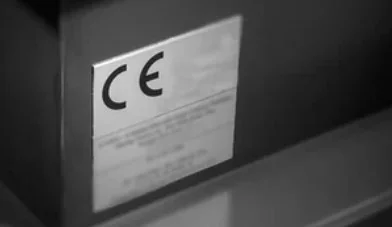
CE marking does more than just sit on a box. It lets goods move freely through the European Economic Area. The mark shows a product fits every EU rule on safety, health, and care for the planet. Before the mark goes on, the maker must check every law that applies. This check usually means looking at risks, writing up tech papers, and signing a statement of fit. The maker stays in charge even if they ask others to help with tests.
In real use, the mark builds trust with both officials and buyers. Take a toaster or lamp that carries the mark. It tells people the item passed rules on voltage and on signals that could upset other gear. The same idea now covers green points under Ecodesign rules.
The Relationship Between CE Marking and Ecodesign Requirements
Ecodesign rules add fresh duties. They ask makers to think about power use, how materials last, and how easy it is to recycle a product right from the first drawings. When the CE mark goes on under these rules, the maker states that the item meets both safety tests and green targets.
Because of this tie, the mark now shows care for the planet in a clear way. Adding these green ideas early does more than please officials. It can cut scrap during making and help the item use fewer resources over its whole life. Some firms see lower costs on the line and better views from buyers when they start early.
Recent Developments in Ecodesign Frameworks
Rules on green goods have grown a lot in the last few years. The new Ecodesign for Sustainable Products Regulation, or ESPR, reaches further than before. It now covers more than just items that use power.
Overview of the New Ecodesign for Sustainable Products Regulation (ESPR)
The ESPR brings wider rules on how long goods should last and how easy they are to fix or break down for reuse. It also looks at what chemicals go into them. A big new part is the digital product passport. This system holds key facts about each item so everyone in the chain can see them.
The rule fits with Europe’s plan to reuse more and throw away less. Makers will have to share more facts, yet they can also stand out if their green claims check out.
Key Changes Affecting Product Compliance Pathways
Under the ESPR, checks no longer stop at how well a product works. Makers must also look at how simple it is to take apart and how much material can be saved at the end. New shared standards will set the exact measures.
Sharing facts has become stricter too. Makers keep records that officials can reach through online tools. This moves away from thick paper files and helps watchdogs check claims faster.
Expansion of CE Marking Recognition Under Updated Ecodesign Rules
As green rules spread to more fields, the CE mark covers more ground. Adding green checks to the old safety tests marks a big shift in EU product law.
Integration of Sustainability Criteria into CE Conformity Assessment
Checks for the CE mark now include green numbers next to safety tests. Shared standards will soon list clear points such as power used while running or the share of parts that can be recycled.
A fridge, for example, must pass both electric safety tests and set power-use limits in the rules. Market watchers can now test these green claims on the spot or through papers.
Implications for Cross-Sector Product Categories
Fields once left out, such as cloth or chairs, now face these rules through new acts from the Commission. They must follow the same steps that electronics makers have used for years.
Firms that sell both screens and office desks find one mark helps them handle checks in many places. It also backs up their green claims with buyers.
Governmental and Institutional Responses to Expanded Recognition
The wider reach of the CE mark has led EU bodies and country offices to work together on steady checks.
EU Commission’s Position on Implementation and Enforcement
The Commission wants rules to stay the same across borders while the ESPR rolls out. They have put out notes that explain how goods already marked can move forward without big changes right away.
Country offices now share data better through the ICSMS network. This helps keep checks even in every member state.
National Government Adaptations and Policy Adjustments
Country offices are training staff to look at green points such as recycle rates or carbon numbers. These points were new for many inspectors.
They also talk with trade groups to shape local steps while staying in line with EU goals.
Strategic Considerations for Industry Stakeholders
Firms that plan ahead can lower risks and gain an edge as the rules grow.
Preparing for Enhanced Compliance Obligations
Makers should check their current items against the coming green points. Simple life-cycle checks can show where power or materials add up most from start to finish.
They should also speak with test labs early so their own checks match the new steps in the ESPR notes. Setting up systems to hold passport data now will save time later.
Leveraging Extended Recognition for Competitive Advantage
Firms that move first can show clear green facts before others do. Clear notes on items that carry the CE mark for both safety and green rules can help when public buyers look for green choices.
The digital passport also gives buyers quick proof on where parts came from or how to fix the item. This builds trust in long supply lines.
Future Outlook on CE Marking Evolution Under Sustainability Regulations?
The CE mark will keep shifting as green policy moves forward in Europe.
Anticipated Regulatory Extensions Beyond ESPR
Later acts will set targets for each field. One example could be limits on water use when making cloth or on carbon tied to steel beams. Work with world groups like ISO may help the mark travel outside Europe in time.
Shared standards will keep updating so the numbers stay tied to real tests and new ways to build.
Long-Term Impact on Product Design and Market Access
As reuse ideas shape how goods are made, more firms will design parts that come apart and can be fixed. This moves away from the old habit of making things that last only a short time.
One mark across borders cuts extra paperwork for trade. The same rules apply whether the goods are sold in one country or shipped from another. This helps both trade and greener ways of working.
FAQ
Q1: What does CE marking represent under current EU law?
A: It shows that a product meets every EU rule on safety, health, and care for the planet before sale in the EEA area.
Q2: How does Ecodesign regulation connect with CE marking?
A: Ecodesign rules add green performance duties that must be met before the CE mark can go on. They fold green checks into the fit process.
Q3: What is new about the ESPR framework?
A: The ESPR widens green rules past power-using goods. It adds digital passports and tighter fact sharing that match plans to reuse more.
Q4: Which industries are newly affected by expanded ecodesign scope?
A: Fields such as IT gear, cloth, and furniture now face green checks tied to the CE mark.
Q5: How should manufacturers prepare for upcoming changes?
A: They should test current designs against new green points, use life-cycle checks for clear reports, work with test labs, and set up systems for digital passports.